
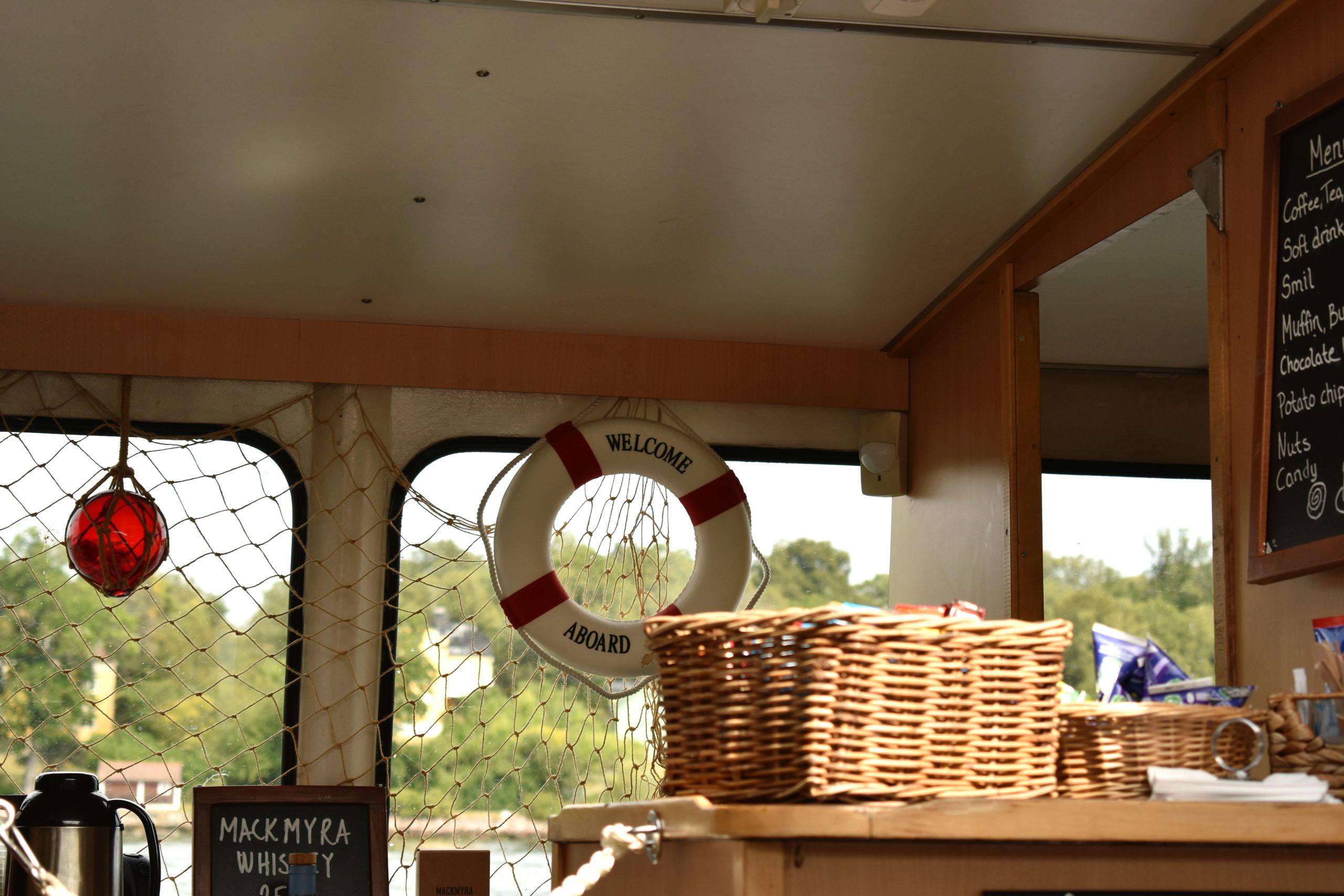
Eating onboard transforms a regular sea-day into a full-blown cruising experience. Whether your plans include a luxury cruise buffet or a simple lunch at the foredeck, knowing what and how to eat on the boat makes all the difference. From mess-free snacks and make-ahead meals to one-pan dinners and long-passage provisions, this guide explores key questions like “Can you eat on a boat?”, “What food to eat on a boat?” and “What to make for dinner on a boat?” We’ll also unpack the concept of the boat diet—steady fuel, light seasickness-friendly meals that keep the crew energized, and cover what to bring for lunch on a boat, what’s a good lazy dinner and which food is best for a long journey. By combining smart provisioning, galley insight and practical dish ideas, you’ll be fully prepared to enjoy meals at sea without sacrifice. Anchored or underway, your next boat meal is about to set sail.
Can You Eat on a Boat? Dining Rules & What to Expect
When you head out on a day sail or a weekend cruise aboard a small boat or yacht, you might wonder: can you eat on a boat? The answer is absolutely yes, but cooking onboard comes with a unique set of rules, etiquettes and expectations that differ significantly from land-based dining. Understanding how to navigate meal routines in a compact galley will help you enjoy delicious food without stress.
Galley Design and Cooking Constraints
Unlike restaurant kitchens or spacious home setups, boat galleys are often tight, with limited worktops, minimal burners and fixed cookware. The motion of the boat means you must secure everything, plates, pans or utensils can become hazards if left loose. As one experienced sailor advises: “Attach pockets to the wall for storing utensils, spices and tools… avoid bringing food that involves lots of chopping.”
When planning your provisions and thinking about what food to eat on a boat, you’ll want to favour chilled, easy-to-stir dishes or meals that require minimal prep. Meals that involve multiple pots, deep frying or extensive oven time are harder to manage when motion sets in.
Meal Timing and What to Expect
Meal time on a yacht or small boat is often scheduled around sailing conditions, daylight or shore visits. You should anticipate being ready to eat as soon as the boat is secured at anchor. The final few hours before docking are ideal to warm a simple dish and enjoy it when the motion has settled.
Activities like exploring a local village or shoreline trail might delay dinner; in that case, having a back-up plan for what to bring for lunch on a boat, such as wraps, cold salads or tinned fish with rice, keeps things organised and appetising. Also, if you ask “what’s a good lazy dinner?” a one-pan pasta or grilled fish on the stern rail grill fitted for small yachts offers high taste with minimal effort.
Etiquette Landscapes for Small Boat Dining
When you share a yacht with friends or family, certain dining etiquettes help maintain harmony. Keep the galley clear of clutter while cooking and offer drinks or bites to other guests. After the meal, ask who’s handling cleanup, being the cook carries a bit of duty at sea.
Also, even though you’re onboard, simple manners still apply: don’t serve yourself first from a shared pot; offer the person at the helm a drink; check if others want seconds before you return to the stove. These small niceties go a long way when the table is compact and the sea king’s setting.
Safety First: Cooking Underway and At Anchor
Cooking at sea introduces risks, flame, sharp knives and hot pans behave differently with motion and heel. It’s best to wait for calmer conditions when the boat is steady. Use pot restraints, non-slip mats and secure cutlery when underway. One article summarises that successful onboard meals blend creativity with safety, and begin with the mindset that the boat is moving even when anchored.
Think about fuel and ventilation too. Gas-fired stoves must be turned off when you stop cooking, and the galley should remain well ventilated. Overheating, unpleasant smells or blocked airflow can spoil your experience swiftly.
Provisioning and Menu Planning for Small Boats
On a small boat you’ll often ask “what to make for dinner on a boat?” the best answer is something simple, flexible and low-prep. Acknowledging limited water, power and fridge space is key. One cruising guide suggests stocking a shelf of base sauces, pre-cooked grains or stews and fresh produce for daily use.
Here are quick categories of provisions and expectations:
| Meal Timing | Ideal Dishes & Examples |
|---|---|
| Lunch | Wraps, chilled salads, cold tinned tuna & beans, bread-and-cheese picnic |
| Dinner | One-pan pasta, curry, grilled fish, pre-cooked base with fresh add-ons |
| Passage / Long Journey | Light meals, mild spices, cooked early, easy to re-heat; ask “which food is best for a long journey?” |
Using these kinds of menus ensures your meals support energy and comfort aboard, while managing resource constraints effectively.
Final Thoughts for Your Next Sailing Meal
Yes, you can absolutely enjoy quality meals aboard your small boat or yacht, but doing so requires awareness of your galley setup, ingredients and the environment. By tailoring your menu, selecting dishes suited to boat life and considering safety and etiquette you’ll transform simple provisions into memorable feasts afloat.
Prepare smartly, cook thoughtfully and eat aboard with joy, the sea is your view and your galley is your vantage. Your next sailing meal is ready when you are.
Signature Dishes Served on Modern Cruise Lines
When you choose to eat on the boat, especially aboard a small yacht or compact cruiser, you might not expect the same signature dishes you’d find on large cruise liners. Still, drawing inspiration from those upscale menus can elevate your own galley creations. Even as you’re working with limited space and resources, knowing what kinds of standout meals serve as benchmarks for quality helps inform your onboard cooking strategy. By referencing what major lines like Royal Caribbean, Norwegian Cruise Line, Princess Cruises, MSC Cruises and Disney Cruise Line are serving, you’ll get ideas for plating, flavour profiles and galley logistics, so when you cook and eat on the boat, you’re bringing something worthy of “special-occasion” status.
1. Royal Caribbean’s Elevated Dining Inspiration
On Royal Caribbean ships, complimentary venues alongside paid speciality restaurants offer dishes like 22-day dry-aged beef tenderloin at 150 Central Park, a clearly elevated offering. Now, if you’re cooking in your own yacht galley, you can translate that by reducing the portion size and adapting to a one-pan method. Selecting a top cut of meat, seasoning deeply, and finishing with a pan sauce gives you a “signature dish” feel in a smaller format. This helps you achieve a meal you’ll remember when you sit to eat on the boat.
2. Norwegian & Disney: Casual Luxe Meets Family-Friendly Flair
Norwegian & Disney fleets blend bold flavours with approachable formats: think Japanese hibachi, themed dining nights and fusion plates made to impress. On your small boat, you can mirror this by selecting one bold flavour night, such as grilled teriyaki fish or a Caribbean jerk chicken, and serve it with ease. As you plan your galley menu, using these high-end examples helps guide your thinking about plating, presentation and seasoning when you eat on the boat.
3. Menu Pull-Across: Adapting Signature Dishes for a Small Galley
Here’s how you translate the signature-dish ethos into your boat kitchen:
| Original Cruise Dish | Galley Adaptation for Your Boat | Why It Works |
|---|---|---|
| Dry-aged beef tenderloin (Royal Caribbean) | Pan-seared steak medallions, simple herb butter sauce | High-flavour cut, minimal pans, minimal cabinet clutter |
| Hibachi-style tuna tataki (Norwegian styled) | Seared tuna steaks, soy-ginger glaze, quick salad | Reflects themed experience, easy to execute in compact space |
| Caribbean jerk chicken (family-style, Disney/Cruise) | Grilled chicken thighs with jerk rub, rice-pea side | Bold taste, simple cooking step, minimal cleanup |
By following this table you’ll strike a balance between indulgence and practicality, so when you choose to eat on the boat, you’re not missing out on memorable food just because your galley is smaller.
4. Planning for Practicality: “What food to eat on a boat?” Approach
When you’re planning a high-impact meal for your boat kitchen, ask yourself: what food to eat on a boat that has real flavour, doesn’t overwhelm your resources and is still fun? Look for dishes that:
- Use one main pan
- Require minimal prep
- Clean up quickly
This mindset keeps your meal special, and realistic. Looking at signature cruise dishes helps excavate the underlying structure of “wow” meals so you can replicate something special during your sailing day or weekend.
Final Thoughts: Anchoring High Dining at Sea
Whether you’re on a full-scale ship or your own yacht, deciding to eat on the boat with a signature-dish mindset elevates the experience. By borrowing inspiration from major cruise-line culinary programmes, adapting creatively, and staying attentive to your constraints, you’ll be able to craft dishes worthy of memory. Plan one or two “signature nights” during your sailing journey where you pull out a dish with elevated seasoning, better plating and perhaps a glass of something special. Even with limited space, you can mirror the feel of speciality dining while still staying anchored in practicality. With planning, simplification and ambition, your onboard meals will stand out, not just for being fun, but for tasting genuinely memorable.
What to Bring for Lunch on Smaller Boats & Day Tours
When you spend a few hours cruising a river, canal, or coastal route, planning what you will eat on the boat can make the difference between a tired, hungry afternoon and a relaxed day out. On many smaller sightseeing boats in the United Kingdom, the operator may provide a simple packed lunch or offer light snacks and drinks on board, but you still have plenty of control over what you actually eat on the boat. Thinking ahead about portions, packaging, and storage helps you avoid soggy sandwiches, spilled drinks, or foods that don’t travel well on choppy water.

If your tour includes lunch, you will usually be told in advance what you are likely to eat on the boat. Typical options on UK-based sightseeing cruises include pre-packed sandwiches or wraps, a small salad box, crisps, a piece of fruit, and a cold drink such as bottled water or a canned soft drink. Some operators upgrade this to a “ploughman’s style” lunch with cheese, bread, chutney, and salad, or offer vegetarian and vegan boxes so that guests with different dietary needs can still comfortably eat on the boat. On certain higher-end day tours you may even find cream teas or afternoon tea-style tiers with scones and cakes, which can feel like an indulgent way to eat on the boat while you watch the scenery glide past.
Because storage space is limited on smaller vessels, the food provided is usually cold, easy to portion, and safe to hold at cool-bag temperature for a few hours. UK food safety guidance recommends keeping chilled foods such as cooked meats, soft cheeses, and prepared salads in a cool bag with ice packs on warmer days to reduce the risk of food poisoning. If you have allergies or strict dietary requirements, you should always check the exact menu before you eat on the boat, and consider bringing your own safe alternatives so you never have to rely on last-minute substitutions.
What passengers usually bring themselves
Even when a light lunch is included, regular boat passengers in the UK often bring their own extras to make it easier to eat on the boat exactly the way they like. You might pack favourite crisps, cereal bars, or biscuits, especially if you are travelling with children who get hungry between scheduled mealtimes. Many people also bring a reusable water bottle and refill it on shore, so that they can eat on the boat without worrying about dehydration, which is more likely when you are out in the wind and sun for several hours.

Choosing foods that travel well when you eat on the boat
To keep things simple, imagine that everything you plan to eat on the boat has to survive several hours in a rucksack or cool bag, and might be eaten with one hand while you steady yourself with the other. That means choosing foods that are easy to handle and won’t create strong smells in a confined cabin. Wraps hold together better than overfilled baguettes; firm fruit such as apples and grapes travel better than very ripe peaches; and individual yoghurt pots are less messy than large tubs shared around as you eat on the boat.
Resealable containers, beeswax wraps, or sturdy sandwich boxes reduce packaging waste and stop crumbs blowing around the deck. Compact reusable cutlery sets and a small pack of napkins or wipes can make it far easier to eat on the boat neatly, especially if you are juggling children’s lunches as well as your own. If you are joining a group day tour, you may want to coordinate with friends so you can share picnic items, turning your chance to eat on the boat into a more social experience instead of everyone eating different meals from separate bags.
Example checklist: What to bring for lunch on a boat?
Use the checklist below as a starting point when you plan what you will eat on the boat during a typical UK day tour or half-day cruise. You can adjust quantities based on how long you will be out, whether any food is provided by the operator, and your own appetite and dietary needs.
| Category | Examples | Why it helps when you eat on the boat | Usually provided on UK sightseeing boats? |
|---|---|---|---|
| Main lunch items | Sandwiches, wraps, salad boxes | Easy to handle and eat cold while seated on deck | Often, especially on pre-booked day tours |
| Snacks | Crisps, nuts, cereal bars, biscuits | Top up energy between sights and keep children happy as they eat on the boat | Sometimes, usually limited choice at the kiosk on board |
| Fruit | Apples, grapes, satsumas | Add freshness and vitamins to what you eat on the boat | Occasionally in packed lunches, rarely sold separately |
| Drinks | Water, squash, tea or coffee in a flask | Staying hydrated makes it more comfortable to eat on the boat in sun or wind | Water and soft drinks usually sold; hot drinks vary by operator |
| Food safety & comfort extras | Cool bag, ice packs, napkins, hand wipes | Help keep what you eat on the boat safe, tidy and hygienic | Rarely – you are normally expected to bring your own |
However generous the onboard catering might be, it is worth thinking through in advance what you personally want to eat on the boat. If you know you get hungry earlier or later than scheduled lunch breaks, or you are travelling with children, older relatives, or anyone with a medical condition that affects blood sugar, a little extra planning ensures no one is caught short. With a modest cool bag and a few carefully chosen items, you can eat on the boat in a way that suits your tastes, supports your energy levels, and lets you focus on the real reason you booked the trip: the water, the views, and the shared experience.
“Boat Diet” Explained: What People Really Eat While Sailing or Cruising
When you step aboard a yacht, a canal boat, a day cruiser, or a sightseeing vessel, the way you eat on the boat naturally changes. Your appetite may fluctuate with the motion of the sea, your energy may dip as you adapt to wind and sun exposure, and your meals often become lighter and more frequent. This is where the informal idea of the so-called “boat diet” comes in—a simple eating approach many UK boaters follow without even realising it. Although the phrase is not a formal nutritional programme, it captures the reality of how people manage food intake when space is limited, the water is moving, and comfort matters. If you have ever wondered, What is the boat diet? the answer is surprisingly practical: it is an intuitive, steady eating pattern built around foods that are easy on the stomach, easy to carry, and easy to digest while you eat on the boat.
To put it simply, the “boat diet” focuses on avoiding anything too heavy, greasy, or spicy—foods that can trigger seasickness, discomfort, or drowsiness. Instead, you rely on light meals eaten more frequently, often every 2–3 hours. Many UK sailors, cruisers, and sightseeing passengers naturally shift into this routine, especially on vessels under 30 feet where movement is more noticeable. The goal is not weight loss, nor is it a structured menu: it is about staying energised, hydrated, and comfortable so that you can enjoy the journey without worrying about nausea or fatigue. In practice, it becomes the rhythm of how you eat on the boat during a typical half-day or full-day trip.
The Principles Behind the “Boat Diet” and How They Shape What You Eat on the Boat
While not officially recorded in nutritional guidelines, the principles of the “boat diet” align closely with advice from NHS and UK maritime health resources, which recommend lighter, more frequent meals to support blood sugar stability and reduce motion sickness. Because your body uses more energy to stabilise itself on moving water, these steady, gentle meals help you maintain alertness and balance. When you eat on the boat, your choices often naturally fall into three categories: simple carbohydrates for quick energy, mild proteins for satiety, and hydration-friendly options that help your body cope with wind, sun, and constant micro-movements.
The kinds of foods UK passengers gravitate toward also have a cultural element. Sandwiches, crackers, oat bars, grapes, and ginger biscuits are among the most common items brought aboard sightseeing boats, canal boats, and day cruisers. Ginger snacks in particular are popular because ginger is widely known to alleviate nausea and motion sickness—a fact backed by extensive NHS commentary. All these choices help you eat on the boat without feeling overly full or queasy.
Typical Components of the UK “Boat Diet”
To better understand what passengers realistically choose to eat on the boat, it helps to break down the informal “boat diet” into its most common elements. You will recognise many of these foods from picnics, hikes, and long road trips—they are easy to carry, unlikely to spoil quickly, and gentle on the stomach. The table below outlines the typical groups and how they support comfort and energy while sailing or cruising:
| Food Group | Typical Examples | Why It Works for the “Boat Diet” |
|---|---|---|
| Light Carbohydrates | Crackers, oatcakes, wholemeal sandwiches | Provide steady energy without overwhelming the stomach as you eat on the boat |
| Protein Snacks | Boiled eggs, mild cheese, hummus pots | Keep you full without heaviness |
| Nausea-Friendly Foods | Ginger biscuits, mint sweets | May reduce seasickness symptoms |
| Hydration Essentials | Water, isotonic drinks, diluted squash | Replace fluids lost through wind and sun exposure as you eat on the boat |
| Easy Fruits | Apples, grapes, satsumas | Portable, refreshing, and low-mess |
Why Smaller, Frequent Meals Help You Eat on the Boat Comfortably
The reason the “boat diet” works so well is linked directly to human balance systems. When you are on the water, your vestibular system works harder to stabilise your perception, and heavy meals can intensify motion sickness or fatigue. Eating smaller portions every few hours helps regulate blood sugar, keeps your stomach settled, and reduces the chance of nausea. UK maritime training organisations, including RNLI community safety guidelines, strongly emphasise hydration and small, regular snacks to maintain alertness while on deck. If you try to eat on the boat the same way you would at home, large, heavy, or oily meals, you may quickly find yourself feeling sluggish or uncomfortable.
You may also notice that appetite changes depending on sea conditions. On calm canal journeys, people tend to eat on the boat more normally, treating it like a moving picnic. But on choppier coastal waters around the UK, such as off Cornwall, Isle of Wight, or the Solent, your body often prefers lighter items, and many passengers instinctively reduce portion sizes. The “boat diet” adapts naturally to these changing conditions, making it a flexible and forgiving approach.
How to Practise the “Boat Diet” on Your Next UK Voyage
To follow the “boat diet” effectively, start by planning small food items that are easy to grab and gentle to digest as you eat on the boat. Prioritise packaging that’s practical: sealed containers, reusable pouches, and items that won’t roll around on deck. Bring foods that can be eaten with one hand so you can stabilise yourself with the other. Above all, remember that hydration is the central pillar of this eating style, UK maritime safety recommendations emphasise drinking water regularly in windy and sunny weather, as dehydration can worsen seasickness.
Ultimately, the “boat diet” is less a set of strict rules and more a natural, intuitive response to the environment. When you focus on what makes you feel balanced, energised, and comfortable, you will find yourself choosing exactly the kinds of items that make it easy to eat on the boat for several hours without discomfort. It is a simple but effective way to stay steady, healthy, and ready to enjoy every part of your journey, whether you are sailing, cruising, sightseeing, or enjoying a weekend canal escape.
Dinner on the Boat: Popular Cruise-Liner Dinners You Should Try
Even though you are cooking in a compact galley rather than dining in a restaurant, dinner on a small boat or yacht can still feel every bit as enjoyable as the meals served on larger cruise liners. The difference is that you prepare everything yourself, using limited space, limited fuel, and simple ingredients that hold well at sea. The goal is to eat on the boat comfortably, safely, and with enough variety to keep dinner interesting across several nights. Many boaters adapt the classic “cruise-liner dinner” feeling into practical, small-boat-friendly meals that work beautifully in tight kitchen spaces. If you’ve ever wondered What to make for dinner on a boat?, the answer is a blend of one-pot simplicity, clever storage, and flavours that are easy to manage while underway.
Because the galley on a yacht or canal boat is smaller than a home kitchen, the best dinners are those that minimise chopping, reduce washing up, and can be cooked with either one burner, a simple grill, or a small oven. Many UK boaters favour dishes that mimic the comfort and structure of cruise-liner menus but are transformed into practical versions suitable for a confined space. This lets you continue to eat on the boat enjoyably while avoiding the complexity of multi-course restaurant-style meals. Using long-lasting ingredients, pasta, couscous, tinned vegetables, tinned fish, cured meats, pre-washed greens, helps you cook safely even when refrigeration space is tight.
How to Recreate a “Cruise-Liner Dinner Feeling” in a Small Galley
What most people love about cruise-liner dining is not actually the restaurant; it’s the comforting, structured evening meal. You can recreate that rhythm on a small boat with simple cooking methods. One-pot meals offer warmth and flavour without overwhelming your galley. Light grill dishes make it easy to eat on the boat even if the water is slightly choppy. Many UK sailors rely on easy, balanced plates: a protein source, a starch, and one fresh or preserved vegetable. This keeps digestion comfortable and reduces mess, which is crucial when you are cooking inches away from your sleeping area.
On overnight journeys around the English coast or inland waterways, oven use may be limited, so stovetop dinners become the centre of evening cooking. Many boaters prepare ingredients in advance on land, chopping onions or marinating meats so that the actual cooking session requires minimal space and movement. This approach ensures you can eat on the boat with ease even after a long day of sailing.
Typical Homemade Dinners People Eat on the Boat
The table below summarises the kinds of dinners most commonly cooked on small boats and yachts. These recipes mimic the comfort of cruise-liner favourites while remaining practical for a tight galley. The suggestions align with common advice shared by UK boating guides and yacht-cooking communities.
| Type of Dish | Examples | Why It Works on a Small Boat |
|---|---|---|
| One-Pot Meals | Pasta with tinned tomatoes, one-pot curry, lentil stew | Minimal washing; easy to cook even when the boat moves |
| Simple Grill Dishes | Grilled chicken strips, halloumi, prawns | Fast cooking, great flavour, small pan required |
| Cruise-Style “Comfort Dinners” | Pan-fried salmon, mashed potatoes, sautéed greens | Feels like cruise dining but scaled to galley size |
| One-Pan “Boat Bowls” | Rice bowls, couscous with roasted veg, tuna and bean salad | Low-mess meals ideal when you eat on the boat |
| Pre-Prepared Ingredients | Marinated meats, chopped veg, pre-cooked grains | Shortens cooking time and reduces galley clutter |
Creating a Safe and Comfortable Dinner Routine at Sea
Safety and comfort play a significant role in how you eat on the boat in the evening. Hot pans can slide, steam can collect in small cabins, and oil splatter becomes a genuine hazard on a moving deck. This is why UK boating safety groups encourage cooking with lids, choosing stable pots, and avoiding deep frying while at sea. To maintain comfort, many boaters also avoid strongly scented foods such as fried fish or heavy curries, especially in tightly enclosed cabin boats.
When preparing dinner, plan your steps as if you were cooking in a caravan or campervan. Have all ingredients within reach, secure everything that can roll, and keep a damp cloth nearby for quick clean-ups. This not only helps you eat on the boat neatly but also prevents smells or spills from lingering overnight.
Recommended Dinner Ideas for Real Small-Boat Cooking
If you want dinner that feels “cruise-liner special” but is still practical for a yacht or canal boat, start with dishes that rely on layering flavours rather than complex techniques. For example:
- Pan-seared salmon with lemon couscous — cooks in under 15 minutes, easy to clean, and feels elegant.
- One-pot creamy mushroom pasta — minimal ingredients, comforting, and stable on a rocking boat.
- Chicken and vegetable stir-fry — quick, healthy, and keeps well in small airtight containers.
- Warm mixed-grain salad with halloumi — great when you want to eat on the boat lightly without feeling overfull.
- Pre-marinated BBQ-style chicken cooked in a skillet — delivers cruise-like flavour with zero oven use.
All of these meals translate well into the small-boat environment and require no specialised equipment. They allow you to eat on the boat comfortably even if you’re sailing late, feeling tired, or dealing with limited storage.
At its heart, dinner on a small boat is about balancing practicality with enjoyment. You may not have the grand dining room of a cruise liner, but with thoughtful planning, clever ingredients, and simple recipes, your evening meals can still feel special. Whether you’re anchored off the coast of Dorset, moored on a Scottish loch, or drifting along a canal at sunset, you can eat on the boat with a sense of ease, warmth, and pleasure—making each night onboard feel like a memorable part of your voyage.
Lazy yet Delicious: Meals Served on Boats That Require No Prep
After a long day of sightseeing, sailing, or simply relaxing on deck, the last thing you may want to do is cook. Many travellers prefer evenings when they can simply eat on the boat without lifting a finger. That’s where “lazy dinners” come in—quick, convenient meal options designed for passengers who want flavour and satisfaction without any prep work. If you’ve ever found yourself wondering What’s a good lazy dinner?, cruise-style self-serve meals, chilled plates, and ready-to-eat snacks offer the perfect answer. These meals let you eat on the boat comfortably while avoiding the mess and effort of galley cooking, especially on nights when you’re tired or the water is slightly choppy.
For travellers aboard sightseeing cruises, overnight ferries, or multi-day excursions, “lazy dinners” are often the easiest way to enjoy food without missing the scenery or the atmosphere of the journey. While these options are not about formal dining, they focus on convenience and accessibility. You may find cold plates ready for pick-up, warming stations with simple comfort foods, or snack bars that stay open late into the night. These choices allow you to eat on the boat with minimal planning and maximum relaxation.
Why Lazy Dinners Are Popular Among Travellers Who Eat on the Boat
Lazy dinners are particularly appealing because they fit seamlessly into the rhythm of life at sea. After hours of walking, sun exposure, or navigating rolling waves, many passengers want a meal that is light, simple, and immediately available. Cold plates, small bites, and self-serve options minimise movement and clean-up. UK travellers especially appreciate these meals because they align with familiar comfort foods while keeping digestion comfortable on moving water, a recommendation echoed by NHS advice on eating lightly while travelling.
Lazy dinners are also excellent for passengers who want flexibility. When you eat on the boat without prep, you can adjust your meal size easily, eat at your own pace, and choose foods that feel comfortable based on the motion of the water. These dinners tend to include lighter proteins, simple carbohydrates, and refreshing vegetables, items that travel well and won’t leave you feeling overly full later in the evening.
Typical “Lazy Dinner” Options Served on Boats
The table below highlights the most common lazy-dinner options offered on cruise-style vessels, overnight boats, and UK sightseeing journeys. These options are based on common offerings from ferry operators, sightseeing cruise companies, and international cruise brands that provide casual evening meals.
| Type of Lazy Dinner | Typical Foods | Why It Works for Travellers Who Eat on the Boat |
|---|---|---|
| Cold Plates | Sandwiches, wraps, cheese boards, smoked salmon | No cooking required; perfect for calm or choppy evenings |
| Snack Bars | Chicken tenders, chips, hotdogs, mini pies | Hot food served quickly; ideal for low-effort dinners |
| Buffet Stations | Salads, soups, pasta, roast vegetables | Eat on the boat freely with multiple choices |
| Grab-and-Go Boxes | Fruit bowls, couscous pots, pre-packed meals | Perfect for quick, light dinners at sunset |
| Late-Night Snacks | Pizza slices, nachos, pastries | Comfort food suitable for passengers with changing appetites |
How Lazy Dinners Help You Eat on the Boat When You’re Tired
Lazy dinners are not just about convenience—they also help you relax after a busy or physically demanding day. If you have been walking onshore, swimming, sightseeing, or standing on deck for long periods, your energy levels may dip by the evening. Instead of cooking, you can eat on the boat without the effort of planning or prepping. Self-serve stations and cold plates allow you to control your portion sizes, choose mild dishes that are gentle on the stomach, and avoid the heaviness that sometimes comes with formal dining.
These meals are especially useful when the sea is slightly rough. Holding a pan over a stove is risky in motion, and washing dishes becomes more difficult when water shifts unexpectedly. Lazy dinners remove this complexity entirely, allowing you to eat on the boat safely and comfortably with minimal movement.
The Best No-Prep Meals for Travellers Who Want Convenience
If you prefer minimal effort while travelling, consider these popular lazy-dinner options often available on sightseeing boats, ferries, and overnight vessels:
- Chilled seafood plates — smoked salmon, cold prawns, lemon wedges.
- Ready-made sandwiches and wraps — especially chicken mayo, tuna, or vegetarian options.
- Small hot bites — chips, tenders, onion rings, or mini pies.
- Fresh bowls — couscous, quinoa, or mixed salad bowls.
- Dessert pots — fruit cups, cheesecakes, and mousse pots.
All of these options allow you to eat on the boat without using a galley, making your journey smoother and more enjoyable. Whether you’re on a short UK coastal trip or a multi-day cruise abroad, lazy dinners ensure you stay satisfied without sacrificing time, comfort, or safety.
In the end, lazy dinners offer a stress-free way to enjoy the evening meal. They are perfect for nights when you prioritise rest over preparation, or when the movement of the water makes cooking impractical. With chilled plates, snack bars, and grab-and-go meals, you can eat on the boat the easy way, keeping your energy steady and your travel experience relaxed.
Conclusion
Eating on a boat, whether you are sailing a small yacht, exploring canals, or joining an overnight cruise, comes down to comfort, practicality, and enjoyment. Your meals do not need to be complicated to feel satisfying. With thoughtful planning, you can enjoy everything from one pot dinners prepared in a compact galley to convenient lazy meals that help you refuel quickly after a long day on the water. Understanding how to eat on the boat in different situations, such as calm seas or choppy evenings, as well as self catered yachts or sightseeing cruises, helps you choose the right foods that are easy to store, simple to prepare, and gentle on the stomach.
Whether you are cooking a warm home style dinner on a small stove, assembling a cold plate at sunset, or selecting ready made snacks from a self serve station, the goal remains the same, to make your dining experience enjoyable and stress free. By combining practical ingredients, clever storage, and flexible meal ideas, you can adapt your eating habits to any boat setting without losing flavour or comfort. With the right approach, every meal, no matter how simple, becomes a memorable and relaxing part of your time on the water.
Frequently Asked Questions (FAQs):
1. What should I eat on a small boat if I have limited cooking space?
You can rely on simple meals such as one pot pasta, couscous bowls, pre cooked grains, tinned fish, and easy vegetables. These foods store well, cook quickly, and keep the galley tidy.
2. How can I avoid seasickness when eating on a boat?
Choose light meals such as crackers, wraps, fruit, or mild proteins. Avoid greasy or spicy foods, and aim to eat smaller portions more often. Ginger based snacks can also help settle the stomach.
3. What foods are easiest to prepare on a yacht?
One pan dishes, quick sautéed meals, sandwiches, and cold plates work best. They require little equipment and minimal clean up, which is ideal for small galleys.
4. Are lazy dinners suitable for longer boat trips?
Lazy dinners such as cold plates, snack bar items, and grab and go boxes are excellent for longer journeys, especially when you feel tired or the water is rough.
5. What ingredients should I stock before an overnight boat trip?
Pack long lasting items such as pasta, rice, oats, tinned vegetables, tinned fish, nuts, wraps, fruit, and ready to eat snacks. These items are versatile and work well with limited storage.
References
- Carolyn Shearlock. (2020, updated 3 Feb 2025). “Boat Cooking Is Different” – The Boat Galley.
https://theboatgalley.com/boat-cooking/ - Carolyn Shearlock. (28 Feb 2024). “Easy Passage Meals” – The Boat Galley.
https://theboatgalley.com/easy-passage-meals/ - TravelSketch Sailing. (17 Jul 2025). “10 Meals We Precook To Make Yacht Passages Easier!” – TravelSketchSailing.
https://www.travelsketchsailing.com/post/10-meals-we-precook-to-make-yacht-passages-easier
Comments are closed