
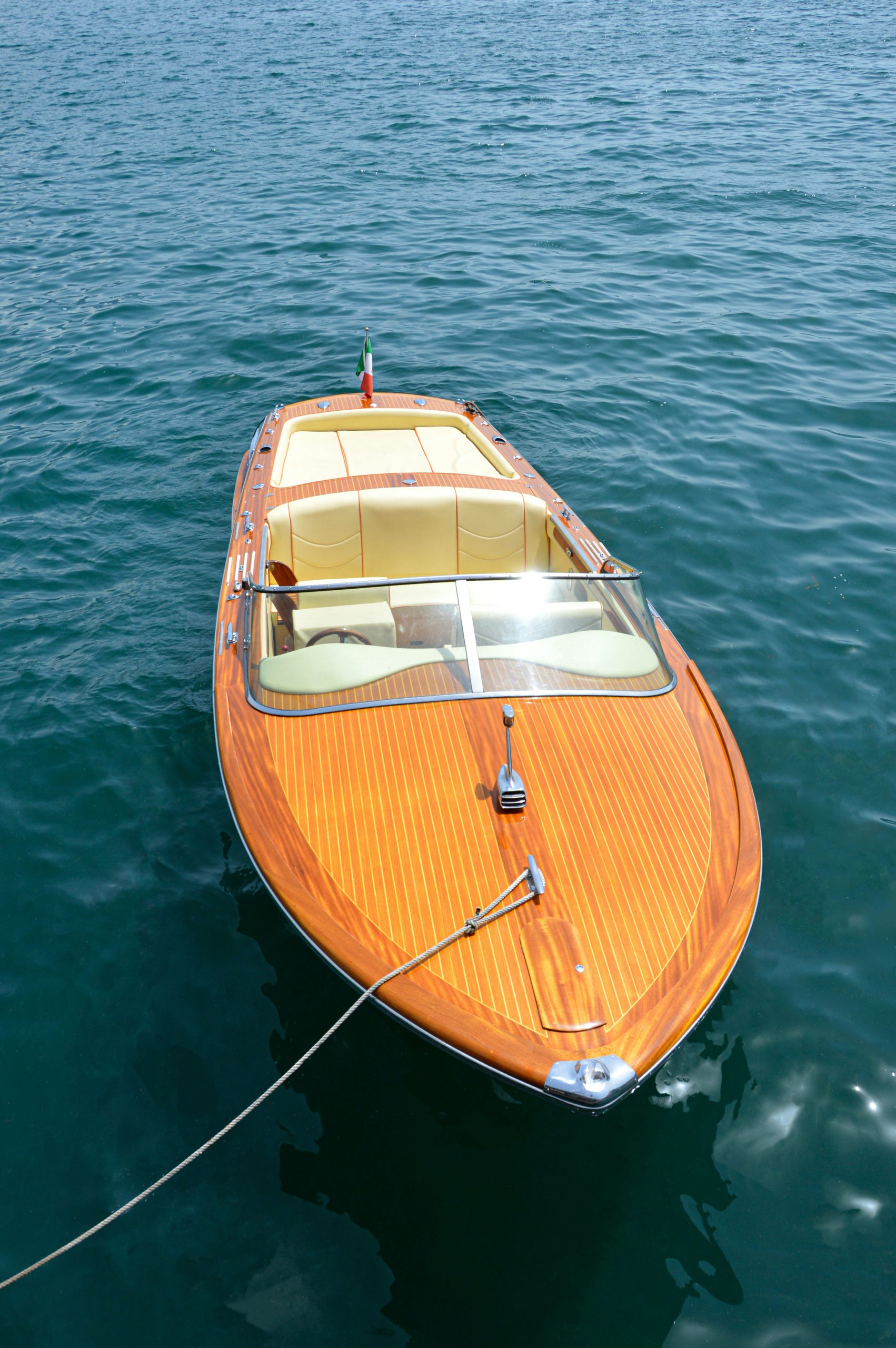
You might have seen a listing that says “single hull yacht” and thought, is that a real thing or just a broker making a 30 footer sound like Monaco. You are not alone. The single hull vs yacht puzzle is mostly a language problem, not a boating problem.
This yacht guide is for first time buyers in the United Kingdom who want clarity and calm. You will get practical checks, a few scripts you can read out loud, and the honest trade offs that decide whether you boat every weekend or quietly make excuses.
“Marina Reality Check” Cheat Sheet: The suitable Pick Before the Listing Photos Win
| Your real-life UK scenario | Most suitable direction | Why it is appropriate | One thing to watch |
|---|---|---|---|
| You mostly do day trips and want minimal fuss | simpler setup first | Less admin means you go out more often | Do not underestimate comfort on wet days |
| You want weekends away and proper sleep onboard | “yacht” comfort focus | Heads, berths, ventilation, and storage become everything | Berthing and maintenance costs rise quickly |
| You love learning seamanship and enjoy the journey | monohull sailing path | Clear feedback through motion helps you build real skills | Heeling feels odd at first, then becomes normal |
| You are short on time and want easy distance | power convenience path | More range per afternoon, especially with family schedules | Fuel and servicing can be the hidden budget killer |
| Your crew includes kids or nervous first timers | prioritise safe layout | Protected cockpit and clear handholds reduce stress | Set a “sit here during docking” rule early |
| You boat on tidal rivers and busy marinas | choose calm docking manners | Slow speed control and visibility beat bragging length | Windage and tight berths punish rushing |
| You care about quiet cruising more than top speed | match hull and engine to your pace | Right setup feels relaxed at your normal cruise | planing hull vs displacement hull changes the “happy speed” |
| You want to avoid expensive surprises | process over emotion | Viewing checklist, survey, and sea trial protect your wallet | If paperwork is messy, treat it as a red flag |
Single Hull vs Yacht: What These Words Actually Mean (Without the Marketing Fluff)
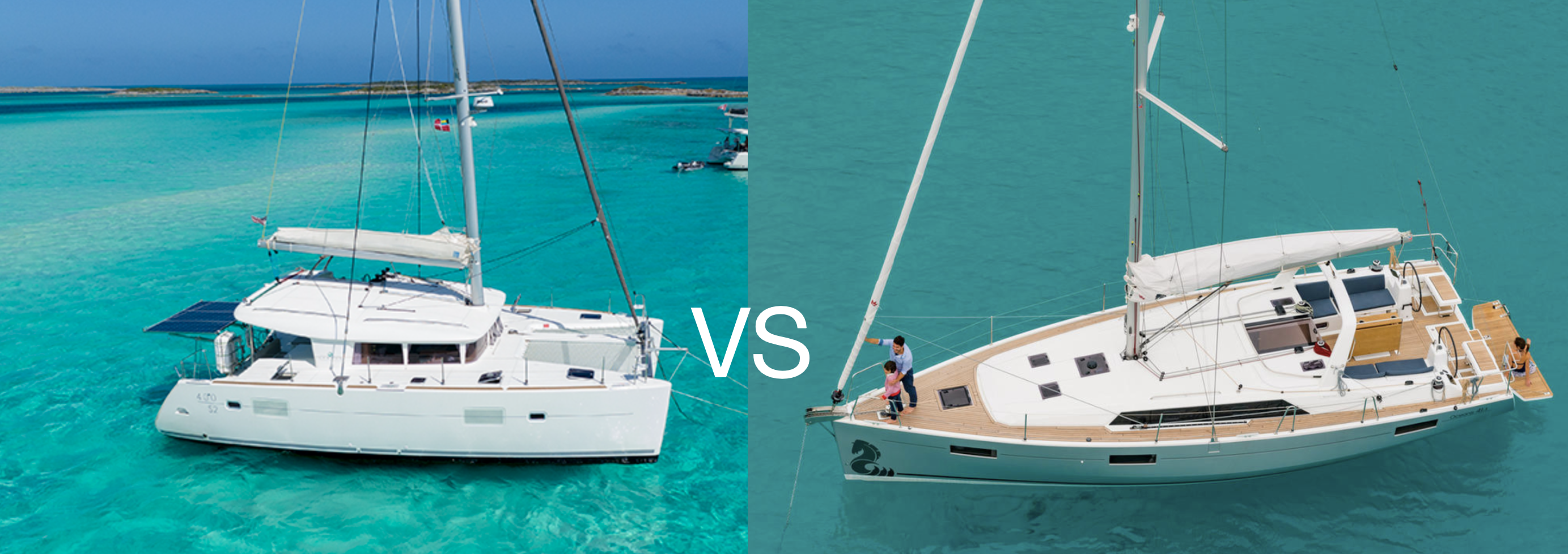
Remember this. “Single hull” describes a shape. “Yacht” describes an intention. That is why people argue about single hull vs yacht and still feel like they are talking past each other.
| Term you will hear | What it usually means | What to check in person | Why it matters for single hull vs yacht |
|---|---|---|---|
| Single hull | One hull, usually monohull | Draft, motion, tracking in chop | Shapes comfort and access |
| Yacht | Built for cruising comfort | Berths, heads privacy, ventilation, storage | Decides whether overnights feel doable |
| Planing boat | Rises and skims at speed | Noise, fuel burn, low speed manners | Often happier fast than slow |
| Displacement boat | Moves through the water steadily | Comfort at lower speeds, range habits | Often calmer slow than sprinting |
Single hull as a shape, why it usually means monohull
A monohull displaces water with one main hull. Under sail it heels, and in waves it tends to roll in a way you can learn to read. That movement can feel dramatic at first, then it becomes useful feedback.
For single hull vs yacht shopping, hull shape also affects where you can go. Draft matters on rivers and shallow creeks. Motion matters in short steep chop off headlands. A monohull will not hide sea state from you, which is not a bad thing if you like learning.
“Yacht” as a category, size, comfort level, and intended use
Most people use “yacht” to mean you can overnight with dignity. You have a heads compartment you will actually use, berths that feel human, and a galley where tea is possible even when it is drizzling sideways.
So when you hear single hull vs yacht, translate “yacht” into questions. Can you sleep well. Can you stay warm. Can you keep the cabin dry. If the answers are yes, it starts to feel like a yacht, regardless of what the listing calls it.
Why you can have a single hull yacht, and why the labels still confuse buyers
Yes, a “single hull yacht” is normal. Many cruising sailing yachts are monohulls. Many motor yachts are also monohulls. Confusion happens because people use single hull vs yacht as shorthand for sailing versus motor, or day boat versus cruiser.
Use this one line in viewings. “When you say yacht, do you mean accommodation and comfort, or do you mean size and status.” It instantly separates facts from fluff.
What qualifies a boat as a yacht?
There is no single legal line that matches how buyers talk. A boat feels like a yacht when you can spend a wet UK weekend onboard without your mood collapsing. That means ventilation that works, a layout that supports tidy living, and systems you can trust.
This is also where yacht hull conversations start to matter. Comfort is not only cushions. It is how the boat moves, how the structure handles noise, and how the layout supports your day. A good yacht hull design can feel more “yacht” than a bigger boat that is awkward to live in.
Start With Your Real Day on the Water

Start with your real weekend, not your dream brochure. The best single hull vs yacht decisions come from being honest about time, weather tolerance, and how often you will actually go out.
Here is the unglamorous truth. A boat you can prep, launch, and berth without drama will get used more. Use more beats “perfect” in the single hull vs yacht debate every single time.
Day trips, weekends, or living aboard, the choice changes fast
Day trips are forgiving. You can get away with less headroom, less storage, and a simpler galley. If you are mostly day boating, your single hull vs yacht decision should prioritise easy launch, easy docking, and low admin.
Weekends away demand comfort. Berths, ventilation, heating, and a heads arrangement that keeps everyone relaxed suddenly become the whole game. If you plan to overnight often, you are buying “yacht” more than you are buying horsepower.
Living aboard is separate. Now you are shopping for insulation, airflow, reliable electrics, and systems access. Damp management is not optional. It is the difference between loving your boat and resenting it.
Lakes, rivers, coastal hops, or offshore plans
Inland waters care about draft, clearance heights, and slow speed manners. Coastal hops care about tide planning and the ability to shelter fast. Offshore ambitions add safety kit and a higher standard of maintenance.
In single hull vs yacht terms, buy for the water you can reach easily. A boat that suits your local slipway, marina, and tidal patterns will build more confidence than a “capable” boat you rarely leave the berth with.
Crew reality, solo, couple, kids, friends who get seasick
If you will boat as a couple, look for layouts that do not demand a choreographed dance to reef, dock, or anchor. If you will boat solo, you want controls you can reach, lines you can manage, and a cockpit that feels safe when you are busy.
If you have kids onboard, treat the boat like a moving playground with water around it. You want predictable safe routes, good handholds, gates that latch, and one simple rule for manoeuvres. When the helm is busy, you sit here.
Crew reality, solo, couple, kids, friends who get seasick
Seasickness is physics plus expectation. In UK wind against tide conditions, short steep waves can turn a cheerful crew quiet in minutes. If your partner hates motion, you will go out less, and that becomes the biggest hidden cost in single hull vs yacht ownership.
On a sea trial, do not only chase speed. Sit where your most sensitive passenger will sit. Do gentle turns at normal cruise. This is where planing hull vs displacement hull becomes obvious in your stomach, not on a spec sheet.
Size, Layout, and the Stuff You Feel Every Hour

Most competitive articles talk about length and price first. Real owners talk about damp, headroom, and where wet jackets go. That is why this yacht guide is layout heavy. Layout affects your mood every hour, especially on British weekends.
When you view boats, do a ten minute ownership rehearsal. Put your bag down. Imagine making tea. Imagine finding the torch at 2 am. These small moments are where a good single hull vs yacht choice proves itself.
Cabin layout basics, berths, heads, galley, storage, and headroom
Berths are not just dimensions. Lie down, turn over, and imagine a windy night. Heads are relationship insurance. You want privacy, ventilation, and a layout that keeps water where it belongs.
Storage is sanity in the UK because damp is relentless. Look for lockers that breathe, places to hang wet gear, and a galley that does not require you to brace just to make a brew. When the inside works, single hull vs yacht weekends feel easy.
Deck space basics, and moving around safely when it gets lumpy
Deck safety is about routes and handholds. Can you move forward with one hand always on something solid. Are the side decks wide enough for your feet. Are the lifelines firm. This matters more than glossy teak.
A protected cockpit often beats a “spacious” cockpit for first season confidence. If you feel secure, you will practise more, and practice is how single hull vs yacht becomes competence.
The “bigger is better” trap, when length helps and when it just costs more
Length can improve comfort and storage, but it multiplies costs. Berthing, lift outs, antifouling, canvas, and insurance tend to scale. Bigger also increases windage and stress in tight marinas.
A good rule for single hull vs yacht buyers is to buy the biggest boat you can handle calmly, not the biggest you can afford. Calm handling is what keeps your boating life alive.
What size yacht is best for beginners?
Many UK beginners find the high twenties to mid thirties a sweet spot for weekend cruising because accommodation becomes genuinely usable. But it is not a law. Your local berth sizes, your budget, and your confidence matter more.
If you are unsure, pick the smallest boat that still lets you sleep well and stay dry. That is often the best single hull vs yacht answer because smaller boats get used more.
| Your goal | What tends to work | Why it helps | What to watch |
|---|---|---|---|
| Day trips with occasional overnight | 24 to 30 foot cruiser | Lower cost and easier handling | Comfort can feel tight in wet weather |
| Regular weekends away | 28 to 36 foot cruiser | Better berths and storage | Berthing and maintenance rise quickly |
| Longer cruising plans | 34 foot plus, well maintained | More tankage and livability | Marina stress can jump for new skippers |
Sail or Power and What That Means for Learning Curve

This choice sets your rhythm. Sailing gives you skill building and slower travel. Power gives you convenience and time efficiency. Neither is superior. The best single hull vs yacht choice is the one you will actually use without feeling rushed.
Sailing boats, romance, skill-building, and slower travel with lower fuel burn
Sailing teaches you to read wind and tide, and a monohull gives you clear feedback through heel and helm feel. You learn small habits, reef early, keep weight balanced, and the whole day becomes calmer.
For single hull vs yacht buyers, sailing can also mean lower fuel bills on long days. The trade off is time and learning. You need patience and a willingness to practise the basics until they feel normal.
Motor yachts, convenience, speed, and higher running costs
Motor boats can make a big day feel easy. Leave later, arrive sooner, and still have energy for lunch and a walk. That matters when you have kids or limited weekends.
If you want quiet cruising, look for a setup that does not need high revs to hold your preferred speed. Noise is fatigue, and fatigue is where mistakes start. A calm motor setup can make single hull vs yacht weekends feel effortless.
Handling and docking confidence, what beginners struggle with most
Most beginners struggle in marinas, not offshore. Wind, tide, and hard surfaces can make people rush. The fix is routine. Approach slower than you think. Use neutral early. Make aborting normal.
Here is a short docking script you can read out loud.
- “Fenders set, one line ready, hands inside the rails.”
- “Walking pace, neutral early, short bursts only.”
- “If it feels messy, we abort and reset.”
If you feel your brain speed up, do a two-minute reset before the next attempt. It sounds silly, but it prevents the classic beginner spiral where everyone talks at once and the helm starts guessing.
- “Pause. Everyone silent for ten seconds.”
- “State the plan in one sentence, then confirm who holds which line.”
- “Recheck fenders, then reapproach at walking pace.”
- “If the wind is winning, step away and reset the angle, not the throttle.”
Those routines prevent a lot of first season drama in single hull vs yacht ownership.
Comfort, Handling, and “Does It Feel Safe to Me?”

Safety is not only equipment, it is judgement plus habit. The boat that feels safest is the boat you can operate calmly. That is why “safe” in single hull vs yacht is personal, and why sea trials matter.
Comfort and safety are linked. Cold and tired crews make worse decisions. A boat that keeps people warm and dry will keep people kinder, sharper, and more willing to go out again.
Motion at sea, rolling, heeling, and why comfort is personal
A monohull under sail heels. Some people love it. Some people need time to trust it. A motor boat may feel flatter at times, but it can still roll in swell and bounce in short chop if you push speed.
This is where yacht hull design matters. The same length boat can feel totally different depending on the yacht hull shape, weight distribution, and how it transitions through waves. It is also where planing hull vs displacement hull shows up in your body, not in a textbook. To see the differences: click here.
Noise, vibration, and privacy, what makes a boat feel like a home
A boat feels like home when the inside stays calm. Listen for rattles at cruise. Feel vibration through the sole. Check whether doors latch, whether the heads feels private, and whether you can get one quiet corner when someone needs a break.
For single hull vs yacht buyers, this is where “yacht” earns its name. Not in the listing, but in the lived experience of sleeping well and waking up ready for the next day.
Visibility from the helm and stress in marinas
Visibility is confidence. Can you see the bow. Can you judge the stern corners. Can you see the side you will dock on without leaning awkwardly. Poor visibility turns berthing into shouting, especially in wind.
Do a visibility test on viewings. Stand at the helm and have someone walk along the dock. If you cannot see clearly, your single hull vs yacht learning curve will be steeper than it needs to be.
Safety kit expectations for first-time buyers, what you should not compromise on
Some items are non negotiable. Properly fitting lifejackets for your real crew. A reliable VHF setup. Fire safety. A sensible anchor system. If gas is onboard, treat gas checks as serious.
Also learn your systems. Many scary moments come from simple misunderstandings, a battery switch left wrong, a fuel shutoff, a blocked intake. Knowing your boat is part of single hull vs yacht confidence.
A Simple Decision Checklist Before You Pay a Deposit

This section is designed to protect your money and your weekends. Most bad purchases are mismatches, not disasters. A boat that does not fit your water, your crew, or your tolerance for maintenance will slowly steal your enthusiasm.
Use the checklist in order. First confirm the boat fits your lifestyle. Then confirm the specific boat is in good condition. That is the calm way to win at single hull vs yacht buying.
Five questions to answer before viewing boats
- What water will you use most often, inland, estuary, coastal, or mixed?
- What is your real crew, solo, couple, kids, friends?
- What do you value more, speed, comfort, or simplicity?
- Where will the boat live, marina, mooring, trailer, and what does it cost yearly?
- What is your non negotiable, warm cabin, easy docking, proper heads, or simple systems?
If you answer those honestly, your single hull vs yacht shortlist becomes smaller and better.
A first viewing checklist, damp, smells, systems, paperwork, and red flags
UK boating has a very specific reality: damp gear, condensation, and the slow creep of clutter. If you are viewing boats and trying to imagine real weekends aboard, this checklist helps you spot whether a cabin will stay guest-friendly without becoming a constant project: Boat Interior Reset 2026: Guest-Ready Checklist for UK Boats.
This is your quick scan. It is about noticing expensive patterns early, without ruining the fun of shopping.
| Area | What to check | What it can signal | Next step |
|---|---|---|---|
| Smell and damp | Musty odour, wet lockers, mould spots | Leaks or poor ventilation | Inspect bilges and deck fittings, ask about dehumidifier habits |
| Engine and fuel | Leaks, hose condition, service history | Maintenance culture and future costs | Plan a sea trial and request recent invoices |
| Electrics | Battery age, tidy wiring, lights and pumps work | Reliability baseline | Test under load, note weak starts or flicker |
| Deck hardware | Winches, cleats, lifelines, handrails | Safety and usability | Wiggle test, check for cracks and corrosion |
| Paperwork | Ownership trail, manuals, inventory | Risk of disputes and hidden issues | Clarify terms before deposit, especially “subject to” wording |
Survey, sea trial, and negotiation basics, how to avoid an expensive lesson
A survey is your professional second opinion. A sea trial is a behaviour test, not a joyride. You are checking slow speed control, steering feel, noise at cruise, and whether systems behave under load.
During sea trial, spend time at normal cruising pace and do slow manoeuvres. This is also where planing hull vs displacement hull becomes clear. A planing boat often feels happiest in a higher speed band. A displacement boat often feels calmer at steady lower speeds. Choose for your habits.
Put your offer in writing as subject to survey and sea trial, with clear terms. Calm paperwork supports a calm first season. That is the unglamorous secret behind good single hull vs yacht buying.
Your first 90 days plan, training, shakedown trips, and building confidence fast
Your first season should feel like practice with rewards. Keep trips short. Repeat the same manoeuvres. Practise anchoring on quiet weekdays. Learn how your boat responds when you change speed and angle.
| Timeline | Your focus | The specific win you want |
|---|---|---|
| Weeks 1 and 2 | Local runs, leave and return to the same berth | Docking routine feels normal |
| Weeks 3 to 6 | One new harbour, one anchoring session, one tide planning exercise | You start thinking ahead calmly |
| Weeks 7 to 10 | Overnight practice, cooking onboard, damp control routine | The boat feels like a cosy base |
| Weeks 11 to 13 | A longer hop on a kind forecast with a clear bailout plan | You finish the day smiling |
If you follow that rhythm, your single hull vs yacht choice will feel confirmed by real life, not just hope.
And once you have done a few calm local trips, it is normal to get curious about “one level up” experiences, like a safe first night passage or a late return in settled weather. If that sounds like you, this beginner guide is a great confidence-builder for planning rather than bravado: Sailing at Night for Beginners: Safety Tips, Rules and What to Expect.
Your First Boat, Your Real Life: The Next Best Step After Choosing
Here is the nicest truth about buying your first boat in the UK. You do not need to get it perfect. You need to get it usable. The best single hull vs yacht decision is the one that fits your real weekends, your real crew, and your real tolerance for admin, not the boat that looks the most “yacht” in a listing.
If you are still torn after viewings, stop thinking in labels and start thinking in habits. Ask yourself which boat makes you more likely to go out on a grey Saturday, not only a sunny bank holiday. The boat that gets used becomes the boat you learn on, and learning is what turns nervousness into confidence in single hull vs yacht ownership.
Your next best step is to build a calm first-season rhythm. Keep your early trips short, repeat the same marina approach until it feels boring, and treat “abort and reset” like a normal move rather than a failure. In the UK, where wind and tide love a plot twist, calm routines are worth more than extra feet of length.
Then give yourself one “quality of life” win. It might be a dehumidifier habit, better cockpit lighting, a tidy line bag, or a clear place for wet jackets. These are not glamorous upgrades, but they are the little choices that make your single hull vs yacht weekends feel warm, organised, and genuinely inviting.
Finally, keep your learning social. Do a weekend with a more experienced friend, join a local club night, or book a short session with an instructor focused on docking and close-quarters handling. You will improve faster than you expect, and more importantly, you will start collecting the stories that make boating feel like a new chapter of your life.
So yes, choose wisely. But also choose kindly. Pick the boat that matches your life today, then let your skills grow your options tomorrow. That is how a first purchase becomes a lifestyle you actually love, and how your single hull vs yacht decision turns into real freedom on the water.
FAQs: The Questions You’ll Ask the Moment You Start Viewing Boats
🛥️What do people usually mean when they say “yacht” in the UK?
Most of the time they mean “cruising comfort”, not superyacht vibes. Think a usable heads compartment, berths you can actually sleep in, somewhere to make a brew, and storage that keeps wet gear from taking over. The label is loose, so judge the layout, ventilation, and overall livability instead of the word on the listing.
🛥️Is a single-hull boat automatically better for beginners?
Not automatically, but a monohull can be a great teacher because it gives you honest feedback through motion and helm feel. The “better” beginner boat is the one you can handle calmly and will use often. If you feel tense docking it, or the cabin makes you dread an overnight, you will not build confidence fast.
🛥️How do I decide between a planing hull and a displacement hull?
Start with your normal cruise speed, not your fantasy top speed. Planing hulls often feel happiest when they are up and moving in a higher speed band, while displacement hulls are usually calmer and more efficient at steady, lower speeds. On a sea trial, spend time at the pace you would actually cruise, then note noise, comfort, and fuel expectations.
🛥️What are the biggest red flags during a first viewing?
Persistent damp smells, obvious mould, messy electrics, neglected engine spaces, and vague paperwork are the classics. A single issue is not always a deal-breaker, but patterns matter. If the owner cannot explain basic maintenance history or dodges questions about leaks and ventilation, treat that as information and keep looking.
🛥️What is the smartest “first season” plan after you buy?
Keep it short, repetitive, and confidence-building. Do local runs, practise the same marina approach until it feels boring, and normalise aborting and resetting when wind or tide pushes you off line. Add one quality-of-life routine early, like damp control and tidy line storage, because small comforts make you go out more often.
References
-
- Richardson, C. (2024, 16 August). Yacht Hull Types: What’s the Difference? YachtBuyer.
https://www.yachtbuyer.com/en-gb/advice/yacht-hull-types-explained - Wood, A. (2025, 4 December). Understanding boat displacement & why it matters Practical Boat Owner.
https://www.pbo.co.uk/expert-advice/understanding-boat-displacement-why-it-matters-100458 - Fiander, A. (2025, 12 March). Everything you need to know about yacht surveys Motor Boat & Yachting.
https://www.mby.com/gear/everything-you-need-to-know-about-yacht-surveys-134638 - RNLI. (n.d.). Yacht sailing and motorboating: Boating safety advice RNLI.
https://rnli.org/safety/choose-your-activity/yacht-sailing-and-motorboating - Met Office. (n.d.). Inshore waters forecast Met Office.
https://www.metoffice.gov.uk/weather/specialist-forecasts/coast-and-sea/inshore-waters-forecast
- Richardson, C. (2024, 16 August). Yacht Hull Types: What’s the Difference? YachtBuyer.
https://marinefuse.com/boat-interior-the-2026-new-year-reset-checklist-for-guest-amenities-consumables/
Mooring vs Docking: What Every Boater Should Know (2026 Guide)
How to Make Your Sailing More Sustainable with Eco-Friendly Boating Practices?
Comments are closed