
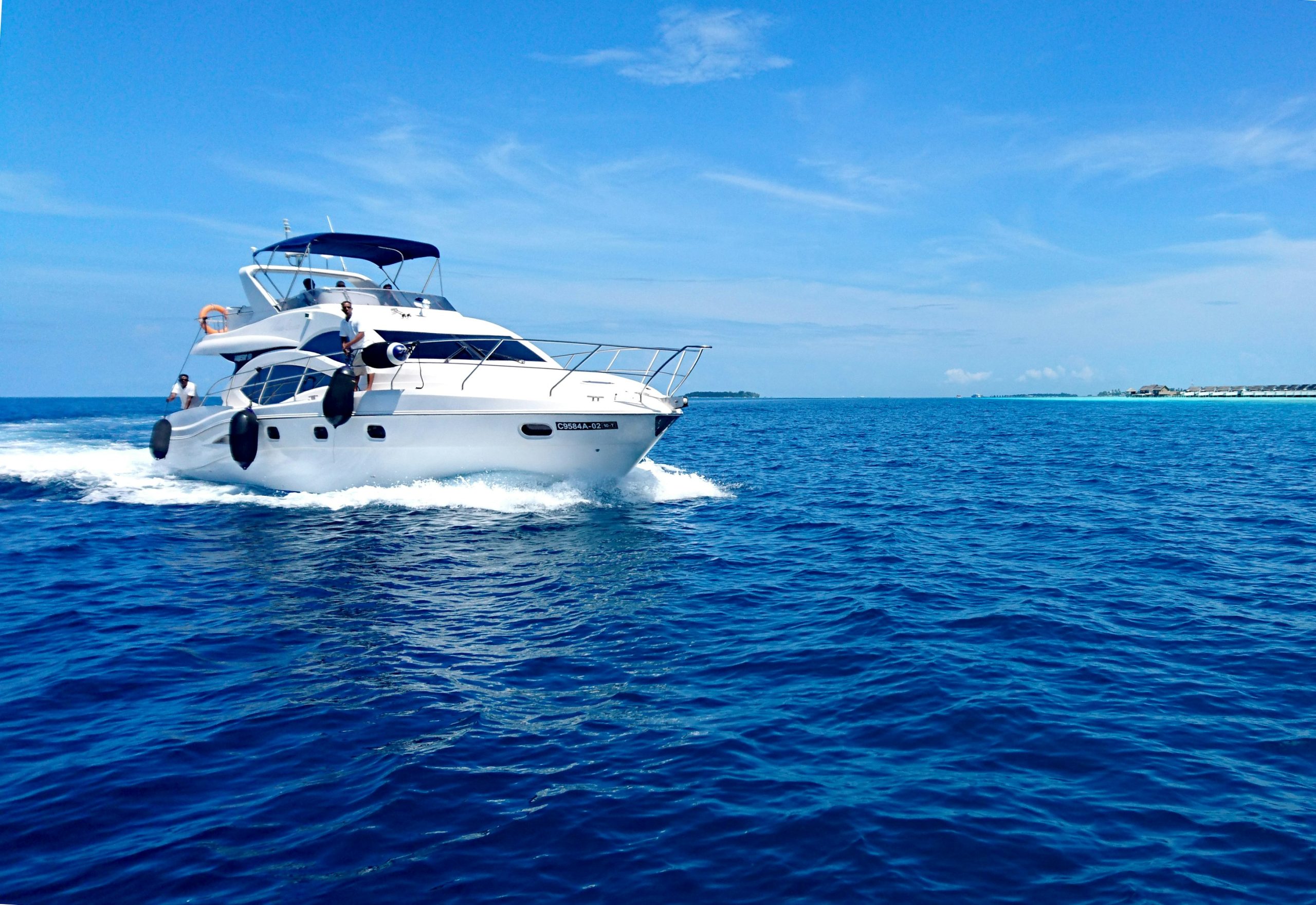
As sustainability takes centre stage across the marine industry, electric outboard motors are rapidly replacing traditional combustion engines — and for good reason. Whether you’re operating eco-tourism boats in protected UK waters, managing high-demand commercial fleets, or upgrading legacy vessels through electric retrofits, choosing the right motor is no longer just about power — it’s about precision, longevity, and environmental responsibility. In this article, we explore four real-world use cases and compare how three industry leaders — ExploMar, Evoy, and RS Electric Boats — address them through innovation, modularity, and performance. Which brand truly meets the moment in 2026? Let’s dive into the details.
Why Electric Outboards Are Leading Marine Innovation in 2026
In 2026, the marine industry is steering firmly toward a cleaner, quieter, and more efficient future — and electric outboard motors are at the helm of this transformation. From eco-tourism boats gliding through protected UK waters to high-performance commercial vessels operating in busy harbours, electric propulsion is no longer an experiment — it’s a proven, scalable solution.
With mounting regulatory pressure, surging fuel costs, and growing public demand for sustainable practices, more operators across the UK are switching to electric outboards. The government’s Clean Maritime Plan and the Maritime 2050 initiative continue to encourage the adoption of zero-emission vessels in both inland and coastal waters. Whether you’re managing a leisure fleet or running workboats for port authorities, electric marine motors are quickly becoming the default propulsion choice.
The Core Drivers of Electric Marine Innovation
The shift to electric outboards is driven by several key factors. Technological advancements in battery density and marine-grade electronics have made electric propulsion systems more viable and competitive than ever before. Additionally, the reduction in lifetime operating costs, including fuel, maintenance, and repairs, makes them attractive for both private and commercial operators.
Unlike traditional petrol engines, electric outboards offer:
- Zero-emission operation
- Ultra-low noise — ideal for wildlife and tourism
- Lower running costs
- Ease of maintenance with fewer moving parts
- Remote diagnostics and over-the-air (OTA) updates
Real-World UK Projects Showcasing Electric Outboard Innovation
The UK has rapidly emerged as a testing ground for electric outboard motor technology, with several high-profile initiatives backed by Innovate UK and private marine innovators. From harbour workboats to retrofitted ferries and eco-tour vessels, these real-world examples show how electric propulsion is being successfully implemented across diverse marine sectors.
| Sector / Use Case | Real UK Project | Electric Outboard / Workboat Role |
|---|---|---|
| Commercial Workboats / Harbours | RS Electric Boats’ ZENOW project | Trialling electric outboard systems in active UK harbour settings, supported by RAD Propulsion and Aqua SuperPower chargers. |
| Retrofitting / Conversion Trials | Shoreham Port & Ecomar Propulsion | Converted traditional GRP-hulled workboat to battery-electric drive, proving retrofit viability in commercial ports. |
| Workboat / Ferry in Remote Routes | E-LUV Project in Shetland Islands | All-electric workboat/ferry for inter-island transport with shore-based rapid charging infrastructure. |
| Eco-Tour / High-Performance Outboards | Fluggaboat with Evoy 120 hp | Equipped with Evoy 120 hp electric outboard and 63 kWh battery for mixed-use eco-tourism and light workboat duties. |
From Niche to Norm — What This Means for You
For operators in the UK and beyond, switching to an electric outboard motor isn’t just about compliance — it’s about gaining a strategic edge. Quieter boats attract more guests, lower costs improve margins, and green credentials enhance your brand value. And with newer systems offering smart battery management, OTA updates, and modular designs, there’s now a solution for virtually every type of vessel and operation.
As the industry moves forward, the early adopters of electric propulsion are seeing not just environmental benefits but tangible business advantages. The question in 2026 isn’t whether to go electric — it’s which system fits your scenario best.
Case Study #1 — Quiet Eco‑Tourism in Protected Waters
In areas like the Norfolk Broads, the Lake District, and other UK inland waterways, eco-tourism thrives on subtlety: the rustle of marsh grasses, the song of waterfowl, the gentle lapping of tides. For your eco‑tour vessels, a traditional combustion outboard can drown these nuances in engine noise and emit exhaust that mars the visitor experience. Here, an electric outboard motor and advanced electric propulsion systems offer a radically better alternative—supporting silent eco-cruising while upholding protection standards.
Research confirms that small recreational boats significantly raise underwater noise levels in marine protected areas, masking natural soundscapes and disrupting aquatic life. Marine Pollution Bulletin, 2022 reports that sound from small boats is detected daily, even within MPAs, and dominates frequencies (100–800 Hz) critical for marine species communication. Meanwhile, a field study comparing tourist boats found that an electric outboard reduced low-frequency underwater noise by a notable margin versus combustion engines. (Archives of Acoustics study)
Quiet and Clean: Why These Matters
For eco‑tourism, silence is not a luxury—it’s a necessity. Visitors expect to absorb nature, not to hear your engine. A modern electric outboard motor for eco-tourism typically operates under 40 dB at cruising pace, compared to 60–70 dB from petrol units. The difference lets wildlife remain undisturbed and guests enjoy pure sounds of nature.
Moreover, government policy in the UK is increasingly focused on reducing marine noise. The Reducing Marine Noise framework from DEFRA in 2025 underscores that anthropogenic noise must be minimized to maintain “Good Environmental Status” in UK waters and protect species like harbour porpoise. (DEFRA, 2025)
| Aspect | Petrol Outboard | Electric Outboard / Modern System |
|---|---|---|
| Noise in water | 60–70 dB or more | Approx. 30–45 dB — significantly quieter |
| Exhaust & emissions | CO₂, NOx, hydrocarbons | Zero tailpipe emissions |
| Maintenance demands | Oil, filters, fuel system, spark plugs | Minimal – mainly battery, electronics checks |
| Typical range on single charge | Depends on fuel tank capacity | 20–30 nautical miles (varies by battery pack) |
Source: Global electric outboard motor market research, 2025 forecast GMI Insights
Comparing Top Brands in Eco‑Tourism Use
- ExploMar provides modular battery and motor configurations, allowing you to tailor your vessel to full-day routes while maintaining whisper-level operation—ideal for eco‑tourism fleets in protected zones.
- Evoy offers high-performance capabilities; in eco-tourism, that allows you to maintain speed through tidal zones while still delivering clean, quiet propulsion.
- RS Electric Boats delivers integrated craft designs optimized for silent eco-cruising, including built-in solar augmentation and hull forms tuned for minimal noise.
In protected waters, your choice of propulsion defines the guest experience—and your environmental footprint. A carefully selected electric propulsion system ensures you deliver unforgettable journeys without compromise. In the next case studies, we’ll explore how these systems scale across commercial workboats, retrofit challenges, and island transport to help you choose the right solution for your mission.
Case Study #2 — High-Usage Commercial Workboats in Busy Ports
For Commercial workboats in the United Kingdom’s busiest ports, propulsion technology is under greater scrutiny than ever before. You are expected to deliver reliable performance while reducing emissions, noise, and operational costs. The move towards an electric outboard motor or electric outboard engine is no longer experimental; it is fast becoming an operational necessity. In 2025, this transition is supported by advances in battery range, digital control systems, and regulatory frameworks that encourage sustainable marine operations. This case study examines how ExploMar, Evoy, and RS Electric Boats are addressing these challenges for UK-based port operators.
Operational Demands in Busy Ports
Workboats in ports such as Southampton, Liverpool, and Felixstowe must handle high-traffic conditions, frequent docking, and long duty cycles. You need propulsion systems capable of high torque for precise manoeuvres, extended runtime to support long shifts, and low acoustic signatures to improve crew safety. Traditional diesel has delivered this power, but with rising fuel costs and tightening emission rules from the UK Maritime and Coastguard Agency (MCA), the pressure is shifting towards the adoption of electric outboard engines.
ExploMar: High-Power and Modular Design
ExploMar targets the higher end of the market with scalable propulsion systems ranging from 70HP to 300HP, with potential expansion up to 1200HP. Its modular SUPER/ISLAND battery platform claims to break the 200 km range barrier (Workboat365, 2025), making it appealing if you require longer endurance for cross-port or inter-island operations. The brand also integrates its Smart Captain system, which provides real-time diagnostics and torque management (ExploMar, 2025). The trade-off is higher upfront investment and reliance on charging infrastructure, which remains inconsistent across UK marinas and ports.
Evoy: Performance and Digital Integration
Evoy, from Norway, is renowned for its high-performance systems between 120HP and 300+HP. Its solutions include over-the-air updates, advanced telemetry, and fast-charging capacity (Evoy, 2025). If your fleet requires rapid acceleration and advanced data integration, Evoy may offer the edge. However, premium pricing and a smaller UK service presence mean you should carefully evaluate support availability for high-usage fleets.
RS Electric Boats: Localised Reliability
RS Electric Boats, headquartered in the UK, focuses on purpose-built commercial vessels such as the Pulse 63, a RIB equipped with a 180HP electric drivetrain. Designed for harbour patrols, pilotage, and port operations, the Pulse 63 addresses the local market directly with compliance to British standards and readily available after-sales support (RS Electric Boats, 2025). Its range is tailored to short-to-medium duty cycles, making it a practical choice if your operations rarely extend beyond a port’s boundaries. While not as scalable as ExploMar for heavy-duty horsepower, it benefits from localised service and regulatory alignment.
Comparison Table: Electric Outboard Engines for UK Workboats (2025)
| Brand | Power Range (HP) | Range / Runtime (Claimed) | Key Strength | Potential Limitation |
|---|---|---|---|---|
| ExploMar | 70–300HP (scalable to 1200HP) | Up to 200 km with SUPER/ISLAND battery | High-power scalability, modular battery packs, Smart Captain system | High upfront cost, UK charging network still developing |
| Evoy | 120–300+HP | Fast charging, strong acceleration | Performance-oriented, advanced digital integration | Premium price, smaller UK support footprint |
| RS Electric Boats | 180HP (Pulse 63) | Short-to-medium port operations | UK-based support, compliance with British standards | Limited scalability for very high-horsepower fleets |
Sources: ExploMar (2025), Evoy (2025), RS Electric Boats (2025)
Key Takeaways
If your Commercial workboats operate in high-usage UK ports, the decision between an electric outboard motor or electric outboard engine should depend on mission type, power requirements, and infrastructure readiness. ExploMar is ideal if you need scalable, high-power systems with long endurance. Evoy provides unmatched digital performance and charging speed, suited for demanding shifts. RS Electric Boats offers a homegrown, reliable solution that aligns closely with local operational needs. By carefully evaluating each option, you can ensure your fleet is both future-ready and operationally efficient.
The adoption of electric outboard motors in busy ports is a strategic choice. ExploMar, Evoy, and RS Electric Boats each provide distinct advantages: scalability, performance, and local reliability. For UK operators, balancing range, cost, and service support will determine which brand best supports your transition to sustainable, high-usage port operations in 2025 and beyond.
Case Study #3 — Retrofitting Traditional Boats to Go Electric
Retrofitting older vessels has become one of the most effective strategies for boat owners in the United Kingdom to embrace clean propulsion without replacing their fleets. By integrating an electric outboard motor, you can extend the lifespan of your boat, reduce emissions, and comply with tightening maritime standards. Whether you own an engine inflatable boat for leisure use or a small harbour craft, switching from petrol to electric propulsion ensures smoother operation and reduced maintenance. In 2025, brands like ExploMar, Evoy, and RS Electric Boats are offering robust solutions tailored for retrofitting projects.
Why Retrofitting Makes Sense
Traditional engines are noisy, costly to maintain, and increasingly subject to environmental restrictions. By installing an electric outboard engine, you lower vibration levels, achieve near-silent cruising, and cut down fuel expenses. According to the International Council on Clean Transportation (ICCT, 2025), retrofitting small boats with electric propulsion can reduce operational emissions by up to 70%. For you as a boat owner, this represents both an economic and environmental win, especially if you frequently navigate in eco-sensitive waterways or busy ports where emission limits are enforced.
ExploMar: Modular Power for Larger Retrofits
ExploMar is a strong candidate if you are looking to retrofit larger vessels or commercial boats. Its Wave Series covers outputs from 70HP to 300HP, with scalable options reaching 1200HP. The modular SUPER/ISLAND battery system allows you to tailor capacity to your vessel’s needs and even achieve claimed ranges of 200 km under optimal conditions (Workboat365, 2025). While this offers powerful solutions for workboats and eco-tourism operators, you should factor in the higher upfront cost and the availability of UK charging infrastructure.
Evoy: High-Performance Retrofits
Evoy, a Norwegian brand, specialises in high-performance electric outboard engines between 120HP and 300+HP. If your retrofit involves a craft that demands rapid acceleration and high-speed capability, Evoy’s digital management systems, telemetry, and fast-charging support are particularly appealing (Evoy, 2025). The limitation lies in its premium pricing and the smaller service network in the UK, which may require you to plan for longer support lead times.
RS Electric Boats: Localised Advantage
RS Electric Boats provides a uniquely British alternative with its Pulse 63 RIB, a purpose-built vessel powered by a 180HP electric drivetrain. While not an outboard retrofit kit in the conventional sense, the technologies underpinning the Pulse 63 are being adapted for refit projects in UK waters (RS Electric Boats, 2025). If your retrofit involves an engine inflatable boat or a motor for rubber boat used in coastal or harbour settings, RS’s local service and regulatory alignment may make the process smoother. The trade-off is more limited scalability compared with ExploMar’s heavy-duty options.
Comparison Table: Retrofitting Options in 2025
| Brand | Power Range (HP) | Retrofit Suitability | Key Strength | Potential Limitation |
|---|---|---|---|---|
| ExploMar | 70–300HP (scalable to 1200HP) | Larger vessels, eco-tourism boats, commercial retrofits | High-power scalability, modular batteries, Smart Captain control | High upfront cost, infrastructure dependence |
| Evoy | 120–300+HP | High-performance retrofits, fast craft | Advanced digital integration, OTA updates, strong acceleration | Premium pricing, limited UK service footprint |
| RS Electric Boats | 180HP (Pulse 63 platform) | Inflatable and rubber boats, UK-specific use | UK-based support, compliance with British standards, eco-tourism focus | Less scalable for very high-horsepower conversions |
Sources: ExploMar (2025), Evoy (2025), RS Electric Boats (2025)
What This Means for You
If you are considering retrofitting, the right choice depends on your vessel type and usage. For heavy-duty or commercial retrofits, ExploMar offers the most scalable and modular systems. If you prioritise performance and speed, Evoy provides advanced solutions with strong telemetry and charging options. For local support and regulatory alignment, RS Electric Boats delivers the advantage of British service and standards, particularly if you operate an engine inflatable boat or a motor for rubber boat in UK waters.
Retrofitting traditional vessels with an electric outboard motor is not just an environmentally conscious choice; it is also a way to reduce costs, extend vessel life, and meet future regulations. By 2025, ExploMar, Evoy, and RS Electric Boats each offer viable retrofit pathways: scalability, high performance, and local reliability. Your decision should balance power requirements, service availability, and infrastructure readiness, ensuring that your retrofitted boat is equipped for a cleaner and more sustainable future on the water.
Case Study #4 — Island Transport and Inter-Island Ferry Services
Island communities across the United Kingdom rely heavily on dependable marine transport. From the Isles of Scilly to the Hebrides, ferries and water taxis are lifelines for passengers, goods, and tourism. In 2025, the question is not whether these services will electrify, but how quickly. By switching to an electric outboard motor, you reduce emissions, cut running costs, and meet growing regulatory demands while delivering a quieter and smoother passenger experience. Brands like ExploMar, Evoy, and RS Electric Boats are shaping this transition with solutions designed specifically for inter-island routes.
Why Electric Matters for Island Services
Traditional outboard motors and diesel boat engines are reliable, but they bring drawbacks such as noise, fumes, and high fuel bills. For small islands, where tourism and fisheries depend on clean waters, these downsides are particularly problematic. According to the UK Department for Transport (DfT, 2025), maritime transport accounts for nearly 7% of UK greenhouse gas emissions. Replacing conventional propulsion with electric technology directly supports the government’s clean maritime plan and enhances the appeal of eco-tourism.
ExploMar: Long-Range and High-Power Solutions
ExploMar has invested in systems designed for high-usage routes such as ferries and passenger launches. Its Wave Series offers outputs from 70HP to 300HP, with scalable platforms extending to 1200HP. This makes ExploMar suitable for medium-sized ferries carrying both passengers and light cargo. Its modular SUPER/ISLAND battery platform, capable of ranges over 200 km (Workboat365, 2025), is particularly useful for longer inter-island crossings. If you operate in the Hebrides or Orkney, where distances can be substantial, ExploMar’s scalability ensures that endurance is not compromised.
Evoy: Performance for High-Speed Passenger Routes
Evoy, headquartered in Norway, provides high-performance electric outboard engines that deliver between 120HP and 300+HP. These systems are suited for fast ferries and water taxis where speed and responsiveness matter. With over-the-air updates and advanced telemetry (Evoy, 2025), you gain real-time insights into energy consumption, which is valuable for scheduled island services. The limitation for Evoy lies in premium pricing and a still-growing service presence in the UK. However, if your island route prioritises quick turnaround and passenger satisfaction, Evoy offers cutting-edge performance.
RS Electric Boats: Local Reliability for UK Waters
RS Electric Boats, based in the UK, brings local expertise with its Pulse 63 platform. Equipped with a 180HP electric drivetrain, the Pulse 63 is well-suited for short-to-medium island transport, particularly where routes are under 20 nautical miles (RS Electric Boats, 2025). Its British design ensures compliance with MCA standards and provides local after-sales support. For ferry operators serving smaller islands such as those in the Channel Islands or Scilly Isles, RS Electric Boats offers a practical balance between power, range, and service accessibility.
Comparison Table: Electric Outboard Motors for Inter-Island Services (2025)
| Brand | Power Range (HP) | Range / Runtime (Claimed) | Key Strength | Potential Limitation |
|---|---|---|---|---|
| ExploMar | 70–300HP (up to 1200HP scalable) | 200 km+ with modular batteries | Long-range endurance, high scalability, Smart Captain control | High upfront costs, reliant on port charging availability |
| Evoy | 120–300+HP | Fast charging, strong performance | High speed, advanced telemetry, OTA updates | Premium pricing, smaller UK service network |
| RS Electric Boats | 180HP (Pulse 63 platform) | Suited for short-medium duty routes | UK-based support, regulatory compliance, eco-tourism appeal | Limited scalability for longer crossings |
Sources: ExploMar (2025), Evoy (2025), RS Electric Boats (2025)
What This Means for You
If you are planning to electrify island ferry services, your choice of electric outboard motor will depend on distance, passenger load, and service infrastructure. ExploMar offers unmatched scalability for longer routes, Evoy excels in high-speed crossings, and RS Electric Boats provides a reliable British-built option for shorter inter-island operations. By weighing these factors, you can identify the outboard motor that balances performance, cost, and sustainability for your ferry operations.
The transition from traditional boat engines to electric outboard motors is accelerating across UK islands. ExploMar delivers long-range endurance, Evoy brings high-performance innovation, and RS Electric Boats ensures localised support. As you plan future-proof ferry services, these brands illustrate how electrification can deliver reliable, sustainable, and passenger-friendly solutions for inter-island transport in 2025 and beyond.
ExploMar vs Evoy vs RS Electric Boats — Technology & Brand Breakdown
In 2025, the marine industry is witnessing rapid innovation as electric outboard motor technology becomes a credible alternative to conventional propulsion. When evaluating outboard boat motors for eco-tourism, workboats, or retrofits, three names stand out: ExploMar, Evoy, and RS Electric Boats. Each brand approaches electrification differently, offering distinct technological paths, market strategies, and value propositions. This breakdown highlights their strengths and challenges so decision-makers can select systems that fit operational needs.
ExploMar: Scalable Power and System Integration
ExploMar is carving a reputation in high-horsepower electric propulsion. Its Wave Series spans from 70HP to over 300HP, with scalable architecture reaching 1200HP. This positions ExploMar for heavy-duty vessels, ferries, and larger workboats. The modular SUPER/ISLAND battery platform is cited for delivering more than 200 km of range under ideal conditions (Workboat365, 2025), and the Smart Captain control system adds real-time diagnostics, torque optimisation, and fleet monitoring. Upfront capital outlay remains significant, and charging availability in UK ports is still developing.
Evoy: High-Performance and Digital Innovation
Evoy, based in Norway, is known for high-performance outboard boat motors from 120HP to 300+HP. Emphasis is placed on speed, acceleration, and advanced software integration. Systems support fast charging and include digital telemetry with over-the-air updates, enabling real-time performance optimisation (Evoy, 2025). Pricing sits at a premium, and the UK service footprint continues to expand.
RS Electric Boats: Local Advantage and Eco-Tourism Focus
RS Electric Boats, headquartered in the United Kingdom, integrates electric systems directly into vessel design. The Pulse 63 RIB, powered by a 180HP drivetrain, targets patrol, eco-tourism, and short-range commercial missions (RS Electric Boats, 2025). UK origin brings alignment with domestic maritime standards and faster access to parts and service. High-horsepower breadth is narrower than ExploMar and Evoy, suiting medium-duty applications best.
Comparison Table: Electric Outboard Motor Brands (2025)
| Brand | Power Range (HP) | Range / Runtime | Key Technology | Best Fit Use Case | Potential Limitation |
|---|---|---|---|---|---|
| ExploMar | 70–300HP (scalable to 1200HP) | 200 km+ with modular battery system | Smart Captain control; modular SUPER/ISLAND batteries | Commercial ferries, large eco-tourism craft, workboats | High upfront costs; charging infrastructure still emerging |
| Evoy | 120–300+HP | Fast charging; endurance varies by duty cycle | Digital telemetry; OTA updates; performance tuning | High-speed craft; coastal passenger transport | Premium pricing; smaller UK service presence |
| RS Electric Boats | 180HP (Pulse 63 platform) | Short-to-medium range operations | UK-built integration; eco-tourism focus; MCA alignment | Patrol boats; eco-tourism tours; small island transport | Limited scalability for very high horsepower |
Sources (original sites): Workboat365 (2025) — workboat365.com; Evoy (2025) — evoy.no; RS Electric Boats (2025) — rselectricboats.com; ExploMar (2025) — explomar.com.cn
Key Takeaways
Decision-making between these brands depends on vessel type, operating routes, and long-term strategy. For scalability and endurance in large workboats or ferries, ExploMar offers notable power and modularity. For high-speed operations and advanced digital features, Evoy stands out with innovative telemetry and OTA systems. For eco-tourism or patrol boats in British waters, RS Electric Boats delivers local reliability and direct service access. Each electric outboard motor brand contributes distinct strengths, collectively advancing the UK’s marine electrification.
When comparing outboard boat motors from ExploMar, Evoy, and RS Electric Boats, the contrasts centre on power scalability, digital innovation, and localisation. ExploMar excels in long-range capability and modular system design. Evoy leads in high-performance integration and data-driven features. RS Electric Boats provides UK-specific support with strong alignment to eco-tourism and regulatory standards. Matching operational requirements with brand strengths supports both sustainability and performance, guiding the sector toward a cleaner maritime future in 2025 and beyond.
Choosing the Right Electric Outboard Motor by Scenario
The rapid growth of electric outboard motor technology in 2025 has expanded its applications across eco-tourism, commercial workboats, leisure vessels, and inter-island ferries. Each scenario presents unique requirements in terms of range, power, noise reduction, and regulatory compliance. Selecting the right propulsion system depends on matching the strengths of each brand and technology to specific operational needs. The following breakdown highlights key scenarios where electric propulsion is proving most effective, supported by data and case studies from leading manufacturers.
Eco-Tourism and Wildlife Tours
Eco-tourism relies on low noise levels and emission-free operation to protect sensitive environments. Deploying an electric outboard motor eliminates exhaust fumes and minimises underwater noise, creating safer conditions for wildlife such as dolphins and seabirds. RS Electric Boats has developed the Pulse 63, a 180HP electric RIB designed for wildlife tours and short-range island services (RS Electric Boats, 2025). Its British origin ensures compliance with UK Maritime and Coastguard Agency (MCA) standards. Passenger experience is enhanced through reduced vibration, and operators benefit from lower fuel dependency.
Commercial Workboats
Busy ports such as Southampton and Liverpool demand reliable, high-torque propulsion. ExploMar addresses this requirement with scalable systems ranging from 70HP to 300HP, with extensions to 1200HP for heavy-duty use (ExploMar, 2025). Its modular SUPER/ISLAND battery packs provide endurance beyond 200 km, making them suitable for pilot boats, harbour patrols, and light cargo transport. The Smart Captain system provides diagnostics and torque management, which reduces downtime in demanding port environments. For operators seeking durability and long-term scalability, ExploMar represents a high-capacity solution in the electric outboard motor market.
High-Speed Passenger Transport
Island communities and coastal towns require high-speed services for passengers and goods. Evoy, a Norwegian innovator, provides electric outboard motors in the 120–300+HP range, combining fast charging with advanced telemetry and over-the-air updates (Evoy, 2025). These features allow operators to optimise vessel performance in real time and maintain rapid turnaround between trips. The strong acceleration and responsive handling make Evoy’s technology well-suited to passenger water taxis and high-speed ferries, though its premium pricing and limited UK service footprint remain considerations.
Small Leisure Boats and Retrofits
Retrofitting traditional vessels with an electric outboard motor is increasingly popular among private owners. For inflatables and small sailing dinghies, systems in the 3HP–10HP equivalent range are adequate for quiet, short trips. While ExploMar, Evoy, and RS Electric Boats specialise in medium-to-high power, smaller capacity options from the broader market provide an accessible entry point. These retrofits extend vessel life and comply with stricter marina emission rules, particularly in environmentally sensitive waters such as the Lake District or the Norfolk Broads.
Comparison Table: Electric Outboard Motor by Scenario (2025)
| Scenario | Recommended Brand | Power Range (HP) | Range / Runtime | Strength | Limitation |
|---|---|---|---|---|---|
| Eco-Tourism & Wildlife Tours | RS Electric Boats | 180HP (Pulse 63) | Short-to-medium duty cycles | Local support, MCA compliance, quiet operation | Not designed for heavy-duty endurance |
| Commercial Workboats | ExploMar | 70–300HP (scalable to 1200HP) | 200 km+ with modular batteries | High power scalability, Smart Captain control | High upfront costs, infrastructure dependent |
| High-Speed Passenger Transport | Evoy | 120–300+HP | Fast charging, strong acceleration | Advanced telemetry, OTA updates, performance focus | Premium pricing, limited UK service network |
| Small Leisure & Retrofits | General Market Options | 3–10HP equivalent | 5–10 hours at low speeds | Lightweight, portable, easy to install | Limited suitability for commercial-scale use |
Sources (original sites): ExploMar (2025) — explomar.com.cn; Evoy (2025) — evoy.no; RS Electric Boats (2025) — rselectricboats.com; ICCT (2025) — theicct.org
The suitability of an electric outboard motor depends on the specific operating scenario. ExploMar demonstrates strength in commercial and long-range workboat operations. Evoy provides innovation and speed for passenger transport. RS Electric Boats offers a reliable, UK-based option for eco-tourism and short-range duties. For small leisure craft and retrofits, lightweight systems from the wider market remain the most accessible solution. Collectively, these technologies highlight the maturity of electric propulsion in 2025, guiding the marine sector toward a cleaner and more sustainable future.
Conclusion
Electric outboard motors are no longer niche — they are the backbone of the next generation of marine operations. From silent eco-tourism boats gliding through nature reserves to rugged workboats navigating busy UK ports, the right electric propulsion system can define both performance and sustainability outcomes. As shown in our case studies, ExploMar stands out in retrofit flexibility and modular scalability, Evoy leads with power-packed solutions for high-speed commercial needs, and RS Electric Boats brings a clean-slate approach for fully integrated vessels. But there is no one-size-fits-all answer. The smartest investment depends on your unique scenario — vessel size, usage intensity, charging needs, and long-term operational goals. Whether you’re retrofitting a single boat or electrifying an entire fleet, now is the time to make an informed, future-forward choice. Ready to take the next step in marine innovation? Start with the motor that aligns with your mission.
Frequently Asked Question (FAQs)
🔎What is the best electric outboard motor for eco-tours?
The best option for eco-tours in 2025 is RS Electric Boats’ Pulse 63, which offers 180HP, low noise, and compliance with UK MCA standards, ensuring wildlife-friendly and emission-free operations.
🔎How far can electric outboard motors travel?
Range depends on brand and battery. ExploMar’s modular SUPER/ISLAND platform claims over 200 km under optimal conditions, while smaller units like RS or Evoy typically cover shorter duty cycles.
🔎Are electric outboard motors suitable for workboats?
Yes. ExploMar provides scalable systems from 70HP to 1200HP, making them highly suitable for commercial workboats requiring endurance, torque, and integration with diagnostics for high-usage ports.
🔎Which electric outboard motor is best for speed?
Evoy stands out for high-performance speed. Its 120–300+HP electric outboard motors deliver rapid acceleration, fast charging, and telemetry, ideal for high-speed passenger transport and coastal ferries.
🔎Can older boats be retrofitted with electric motors?
Yes. Traditional vessels, including inflatables and rigid hulls, can be retrofitted with electric outboard motors. Brands like ExploMar and RS Electric Boats provide scalable solutions for these conversions.
References:
https://www.yachtingmonthly.com/gear/electric-outboard-motor-we-test-12-options-81853
https://www.insure4boats.co.uk/blog/archive/best-electric-outboard-boat-motor/
Understanding Contact Corrosion: Causes, Effects, and Prevention in Marine Environments (2026)
World Recipes for the Boat: 12 Dishes Inspired by Sailing Cultures Around the Globe
The Rise of Hybrid Energy Systems in 2026 for Remote and Off-Grid Marine Vessels
Comments are closed