
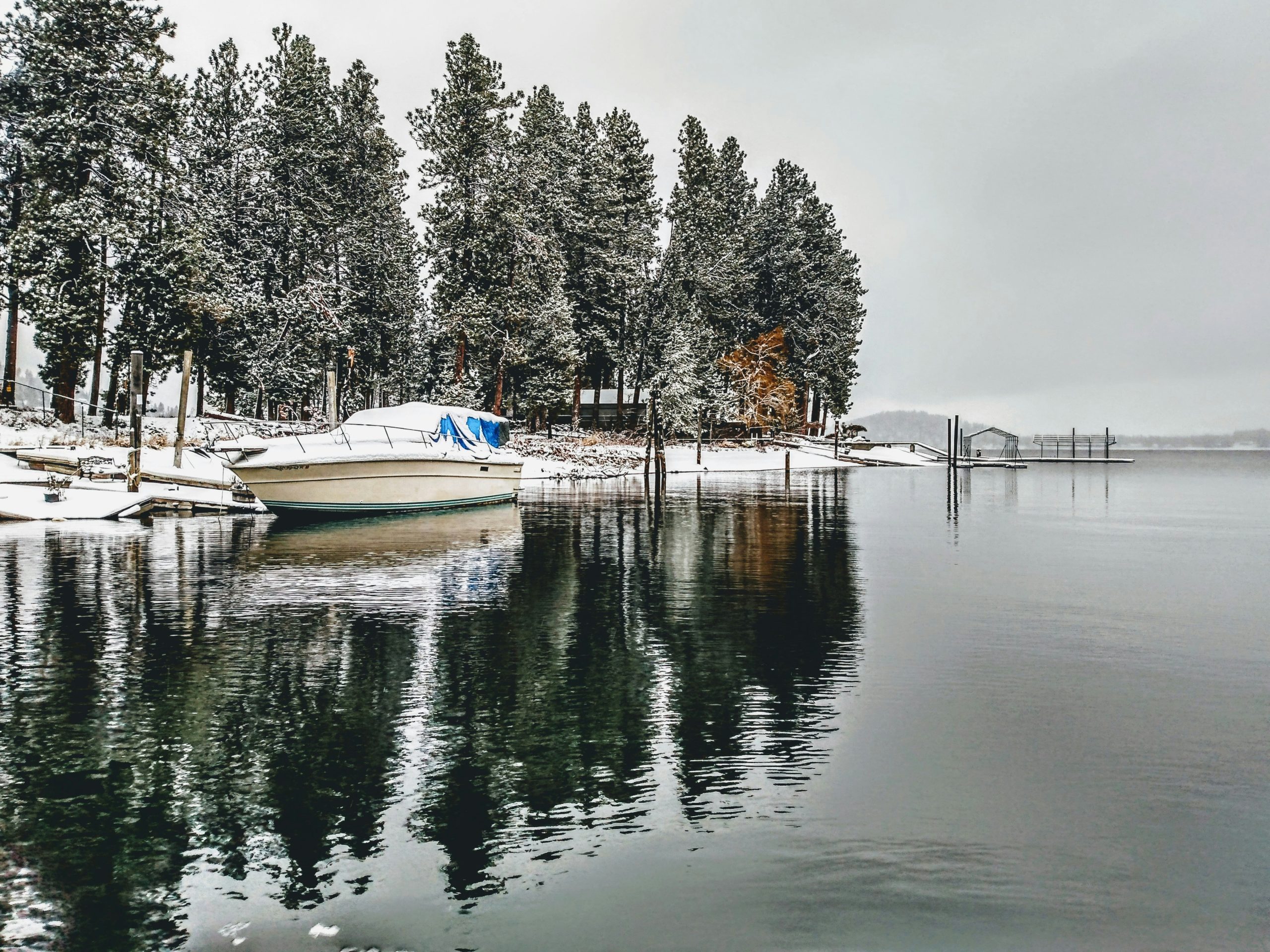
If you have ever looked at winter routes and thought, where do I even start, you are not alone. This guide gives you two Winter Yachting itineraries you can copy: a relaxed 7 day loop for easy decision making, and a 14 day version with more breathing space and better evenings. Expect day by day stops, realistic sailing times, and simple backup options when the wind changes or a harbour fills up. Use it as a planning tool, then tweak the order to match your crew, your comfort level, and the kind of winter sun you are chasing.
Winter Yachting quick start: pick the right region and you’ve won half the battle

If you are planning winter yachting for the first time, you might be staring at gorgeous photos and thinking, yes, but where do we actually go. You are not alone. The fastest win is choosing a region that matches your crew’s style, not your fantasy.
Choose your style first. There are three honest flavours of winter yachting. If you want relaxed island hopping, you want short legs, plenty of anchor options, and easy evenings ashore. If you want longer passages, you will enjoy more “proper sailing” and fewer stops, but you need a crew who is happy on watch and fine with less shore time. If you want family friendly comfort, your big goal is sleep and calm routines, so you prioritise protected water and sheltered nights over bragging rights.
Pick a winter region for the wind you actually want. Steadier trade wind cruising is the low stress choice because it is easier to keep a rhythm. You sail, you stop, you eat well, you sleep. More open water routes can be rewarding, but they often feel more technical, with bigger swell, longer decision windows, and fewer “easy outs” if the forecast shifts.
A practical trick is to sanity check your idea with a Sailing route planner, then zoom out on a Sailing routes map and ask one simple question: if we had to stop early today, where would we go. If the answer is vague, it is probably not the best first winter yachting pick.
Be careful copying summer classics. A Cyclades sailing itinerary can be brilliant in peak season, but winter patterns can change the comfort equation. You do not need to prove anything. You need a route that still feels fun on day five, when everyone is a bit saltier and slightly tired.
7 days versus 14 days is really about wiggle room. A 7-day sailing itinerary is punchy: you will be provisioning on day one, topping up midweek, and doing a final sensible shop near the end. It works best when stops are close together and facilities are easy. Fourteen days gives you space to wait out one awkward forecast, add a rest day, and keep the vibe light. That extra slack is what makes winter yachting feel smooth, not stressful.
Winter Yachting 7 day Route Template A: the classic easy island hop week
This 7-day sailing itinerary template is built for winter yachting that feels light, social, and confidence boosting. Think shorter legs, plenty of shelter options, and just enough structure that you never feel chased by the clock.
| Day | Focus | Target sailing time | Notes you will thank yourself for later |
|---|---|---|---|
| 0 to 1 | Arrive, provision, shakedown | 0 to 2 hours | Keep it gentle. Test reefs, anchor, and dinghy once. |
| 2 to 4 | Stack your best days | 2 to 4 hours | Arrive with daylight. Choose stops with a nearby Plan B. |
| 5 to 7 | Easy return and final night | 2 to 3 hours | Finish close to base so check out is calm and celebratory. |
Day 0 to 1: arrive, provision, shakedown
Day one sets the tone for your whole winter yachting week, so treat it like a soft start, not a race. Do the handover, talk through safety, and assign tiny roles so nobody is guessing. Even first timers relax fast when they know what “normal” looks like.
Provision for two days plus snacks, not the entire week. You are not provisioning for a bunker. You are buying breathing room. Grab easy breakfasts, one comfort dinner, and things that survive a damp locker without drama. If you like structure, a Sailing route planner helps you time a midweek top up.
Then go for a shakedown sail that feels almost too short. Hoist, tack, reef once, and drop anchor once. You will spot the annoying bits early, like a stiff halyard or a lazy windlass. Fixing those on Day 1 is the difference between calm and cranky later.
Day 2 to 4: stack your best days
This is the heart of the winter yachting week. Keep daily legs sensible and aim to arrive with daylight to spare. Two to four hours is the sweet spot for most mixed crews: long enough to feel like you sailed, short enough to still explore and enjoy a late lunch.
Think in highlights, not miles. Put your best beach, best snorkel, best village wander, or best sunset cockpit dinner on Day 3, when everyone is properly settled. It is the same logic you see in a good Cyclades sailing itinerary: keep the magic close together so the week feels full without feeling busy.
Use a Sailing routes map to choose stops with options. In winter, the “right” anchorage is often the one that lets you move ten miles to better shelter if needed. That little bit of flexibility keeps the mood high even if the forecast gets opinionated.
Day 5 to 7: easy return and final night
From Day 5, start bending your route back toward base in a way that still feels like holiday. Shorter hops again, earlier arrivals, and one buffer day in your pocket. A relaxed ending is what makes a 7-day sailing itinerary feel premium, even on a modest budget.
Your final night is a strategic move. For winter yachting, choose a calm harbour or marina within an easy morning run of the base. You will sleep better, you will pack without chaos, and you will have time for a proper last meal ashore instead of living on crisps and docking adrenaline.
If you are tempted to squeeze in one last far flung stop, do the maths, then do the feelings. Boats do not care about your flight time. Keep the final day simple on purpose: coffee, a short sail or motor, fuel and lines handled early, then celebrate the fact you did it.
Winter Yachting 7 day Route Template B: a lively week with plenty of stops and variety
If Template A is your calm, “let’s not overdo it” week, this one is the fun cousin with a bit more sparkle. You still keep winter yachting sensible, but you lean into variety: more anchor drops, more little towns, more “shall we just pop in there?” moments.
The trick is that it only works because you design it around Short legs, Flexible stops, and Easy Plan B anchorages. In other words, you stack experiences, not miles. That is how you get a lively 7-day sailing itinerary without turning it into a stress marathon.
| Day block | What you aim for | Typical leg length | Your built in safety net |
|---|---|---|---|
| Days 1 to 2 | Two quick wins | 10 to 25 nm | Choose stops with a second bay nearby |
| Days 3 to 5 | Variety trio | 15 to 35 nm | Keep one “easy harbour” option each day |
| Days 6 to 7 | Gentle return | 10 to 25 nm | Finish close to base for a calm final night |
Why This Loop Works in Winter
You might have seen winter itineraries that look heroic on paper, then feel grim by Day 3. This loop avoids that trap. It is built for daylight limits, surprise squalls, and the reality that crews get hungry and cold quicker in winter.
Short legs are your cheat code. Two to four hours underway is usually the sweet spot: enough sailing to feel earned, not so much that you arrive frazzled. It also means if the wind shifts, you can pivot without losing your whole day.
Flexible stops are what keep the week feeling lively rather than locked in. You plan a main stop, then you keep one “tempting alternative” ready. That is where a Sailing routes map earns its keep, because you can see shelter, depths, and nearby options at a glance.
Easy Plan B anchorages are the grown up part of winter yachting. You are not being boring, you are being clever. If a bay is rolly or crowded, you want an instant second choice within 5 to 10 nautical miles, not a long slog in fading light.
A Simple Daily Rhythm You Can Reuse Anywhere
Here is a rhythm you can lift and drop into almost any cruising ground. It keeps you moving, keeps the crew happy, and still leaves space for the best bit of any trip: the unexpected little detour that becomes the highlight.
Morning: move early, arrive early. Aim to slip lines after breakfast and be parked up by mid afternoon. In winter, arriving with daylight is comfort. You set the hook calmly, you pick your spot, and you are not cooking dinner with one hand on the rail.
Midday: keep lunch simple and low mess. A warm soup in a flask, wraps, or something you can eat with one hand. If you are doing this as a family week, you will be shocked how much morale improves when nobody is hangry mid passage.
Afternoon: choose one “activity anchor” per day. That could be a swim, a walk, a market run, or just a cockpit sundowner. The point is to make each stop feel different, even if the legs are short. That is how a Cyclades sailing itinerary keeps its magic, and you can copy that mindset anywhere.
Evening: reset for tomorrow. Charge devices, top up water if you can, and do a two minute “what worked today?” chat. If you are using a Sailing route planner, this is when you adjust the next day’s options based on how the crew actually feels, not what the spreadsheet says.
By the end, you get that satisfying feeling of having “done loads” while still feeling rested. That is the whole goal: a lively, flexible 7-day sailing itinerary where winter yachting feels exciting, not exhausting.
Winter Yachting 14 day Route Template A: the same region, but with breathing space

If a week afloat feels like a highlight reel, two weeks is where the story happens. With winter yachting, that “breathing space” matters even more: shorter daylight, cooler evenings, and the occasional weather wobble that you do not want dictating your mood.
The nice bit is you do not need a totally new plan. You keep the same cruising ground, the same friendly harbours, the same easy anchorages. You simply widen the gaps between the big moments so the trip feels unhurried, not over-programmed.
| Two-week pacing move | What it changes on board | Easy way to apply it |
|---|---|---|
| Add “stay-put” days | Rest, laundry, real exploring | Plan 3 buffer days across 14 |
| Split longer legs | Less fatigue, calmer arrivals | Swap 1 long hop for 2 short legs |
| Repeat a favourite stop | Feels familiar, reduces decision load | Return to one harbour twice |
| Build in Plan B circles | Weather-proof confidence | Choose stops with 2 nearby alternatives |
Turning a 7-Day Plan into a Relaxed Two-Week Cruise
Start by stealing your own best ideas. Take your favourite 7-day sailing itinerary and keep the “must-do” highlights, then put space around them. Your goal is not to double the distance. Your goal is to double the ease.
Here is the simple trick: for every three active sailing days, give yourself one day that can be anything. A slow breakfast. A museum. A long walk. Or doing absolutely nothing while the kettle lives on the hob. That is proper cruising.
Use a Sailing route planner like a menu, not a contract. Mark two options for each leg: the pretty one and the sensible one. Then check your Sailing routes map for nearby bolt-holes, so a squally forecast becomes a gentle change of plan, not a drama.
If you are copying a Cyclades sailing itinerary style of loop, this breathing space is gold. Winter winds can be playful. You can wait for a nicer window, then go when it feels good, not when the calendar says you must.
Provisioning for Two Weeks Without Overthinking It
You are not alone if provisioning for 14 days sounds like a spreadsheet headache. It does not have to be. Think in layers: “first week fresh,” “second week store cupboard,” and “emergency comforts” for the days the sea feels a bit moody.
For the first 4 to 5 days, buy the stuff that makes you feel human: fruit, salad bits, yoghurt, eggs, bread, and something easy for the first tired night. After that, lean on long-lifers: pasta, rice, tins, jar sauces, noodles, UHT milk, and root veg.
Then add morale snacks, on purpose. Hot chocolate, biscuits, nuts, crisps, and a treat you only open on a rough day. It sounds silly until it saves a watch system at 0300. With winter yachting, comfort food is a safety feature.
Finally, plan two “top-up moments” in marinas or bigger towns, rather than carrying everything from Day 1. It keeps lockers tidy, reduces waste, and lets you stay flexible if your route shifts with weather or crew energy.
Winter Yachting 14 day Route Template B: the two week “proper trip” with a bigger sense of journey
You know that feeling when a week onboard ends just as you finally relax? This is the antidote. This winter yachting template is built for a real journey, not a frantic tick-box tour, with enough time to sail, explore, and still have the odd lazy morning.
Think of it as a “two-week spine” you can drop onto almost any warm winter region, from the Canaries to the Caribbean. Use a simple Sailing route planner, sketch a loose Sailing routes map, then let the weather and your crew’s mood do the fine-tuning.
Two longer legs for contrast
Here’s the secret: you do not want fourteen “medium” days that all feel the same. Pick two longer legs, usually 6 to 9 hours, to create contrast. They give you that proper offshore buzz, then make the easy days feel genuinely easy.
Place the first longer leg early, once the crew has found their sea legs but before boredom sets in. Save the second for the middle stretch, when everyone’s ready for something more adventurous. In winter yachting, those longer hops often line up beautifully with steadier breeze periods.
Your bonus is flexibility. If a front or swell shows up, you can swap a long leg for two short ones without breaking the whole plan. This is where a realistic daily range, plus a calm Plan B harbour, beats a “perfect” itinerary every time.
Mixing stop types: towns, anchorages, one detour
A two-week trip lives or dies by variety. Aim for three stop types: busy provisioning towns, quiet anchorages, and one spot that is absolutely worth the detour. That mix stops the boat feeling like a floating supermarket run.
Use towns for water, laundry, fuel, and a proper shop up. They also suit the “social” nights: a decent meal ashore, a hot shower, maybe even a restock of treats. Anchorages are your reset button, with simpler dinners and early swims.
The detour is the memory-maker. It might be a sheltered bay with clear water, a village that does not see many yachts in winter, or a scenic headland sail you would never do on a tight 7-day sailing itinerary. Add it once, not every day, and it stays special.
Border and paperwork days: place them smartly
If your route crosses borders, do not let paperwork steal your best sailing time. Put clearance on a day when you are already in a practical town, and ideally after a shorter leg. Nobody enjoys checking in when they are tired, salty, and hungry.
Plan it like this: arrive by early afternoon, clear in, then reward the crew with something easy, like a marina meal or a short walk. Next morning, you are free to leave on your own schedule. That rhythm feels smooth and surprisingly “luxury” even on a budget.
Keep documents in one grab bag, plus digital copies. If you are coordinating multiple boats or guests joining mid-trip, note the border day on your Sailing routes map so it is obvious to everyone. It sounds small, but it prevents the classic two-week stress spike.
Winter Yachting pre trip checklist: turn unknowns into a plan you can trust
You might have the route saved, the crew chat buzzing, and a perfectly colour-coded Sailing route planner open on your laptop. Then winter shows up and quietly moves the goalposts. The good news is that winter yachting is not about being heroic. It is about being predictable.
This checklist is the bit that makes your 7-day sailing itinerary feel relaxed, and your 14-day plan feel doable. Think of it as the difference between “we’ll see” and “we’ve got options”. The aim is simple: fewer surprises, better sleep, more fun.
Weather windows and a safety buffer
Start with a basic rule: if your plan only works in perfect weather, it is not a plan. For winter yachting, look for a settled pattern, not one “green” forecast screenshot. You want wind direction you can live with, seas that are not building, and enough daylight to arrive unhurried.
Build a buffer you can actually use. If you have 7 days, treat it like 6 sailing days and 1 flex day. For 14 days, aim for two flex days. That gives you breathing space to wait out a squall, take a rest, or choose a safer harbour without feeling like you are failing.
One practical habit: decide your “no-go” numbers before you leave. Not in the cockpit, not mid-argument. If forecast gusts or sea state are above your comfort line, you stay put and enjoy the anchorage like you meant to.
Winter extras: documents, insurance, comms, safety
Winter is when little admin things become big mood killers. Check your passport validity, boat papers, and any local cruising requirements early, especially if your route crosses borders. Keep digital copies offline and one printed set in a dry bag.
Insurance is another quiet trap. Confirm your cruising area, winter lay-up clauses, and any storm exclusions. If you are chartering, ask what is included and what you are expected to provide. It is far nicer to sort this at home than on a marina wifi connection.
For comms and safety, do the basics well. Test your VHF and DSC setup, confirm how you will get forecasts, and agree the “who calls who” routine. Cold nights also love to reveal weak torches, tired batteries, and leaky wet-weather gear, so pack spares like you mean it.
Low-stress logistics: berths, fuel-water, return plan
Make berthing easy on purpose. In winter, pick marinas and anchorages with simple approaches and good shelter, even if they are not the prettiest pin on your Sailing routes map. Your crew will remember the calm arrival more than the “perfect” restaurant.
Get into boring, brilliant habits: top up fuel little and often, refill water whenever it is easy, and keep one emergency meal that needs zero thought. If you are following a Cyclades sailing itinerary, identify at least one Plan B stop per leg that works with the wind shift.
Finally, protect your last day. The smartest move is returning to base a day early or finishing with a short hop. That way, a late-weather wobble does not steal your flight, your deposit, or your patience. winter yachting feels luxurious when the ending is smooth.
Winter Yachting Plan B toolkit: keep it smooth, fun, and genuinely low pressure

You are not alone if your best winter yachting day is the one where nothing “exciting” happens. The trick is building flexibility on purpose, not improvising under stress. Think of this as your calm captain toolkit.
Before you even pick the prettiest bay, open your Sailing route planner and decide what “easy” means for your crew. In winter yachting, easy usually means shorter legs, earlier arrivals, and at least one option that works when the wind does not.
The Three-Plan Method (A, B, C)
Winter yachting becomes instantly more relaxed when every day has three versions. Plan A is your “nice” stop, the one you would show on a Sailing routes map. Plan B is the sheltered alternative that is still enjoyable.
Plan C is the power move: you stay put. Not as a failure, but as a choice. Pick an anchorage or marina with shelter, food, and a decent walk. In a winter yachting week, one zero-mile day can save the whole trip.
Here is a simple way to set it up. For each leg, write down: your earliest safe departure, your latest comfortable arrival time, and two “bail-out” points you can reach if the sea state builds. It is boring. It works.
UK tip: agree your go-no-go rules before you cast off, just like you would in the Solent. If your forecast source changes, or your crew comfort drops, you default to Plan B or Plan C. That is smart seamanship, not caution.
Common Winter Trip Snags and Easy Fixes
Snag one is the classic: the wind arrives earlier than the app promised. Fix: leave at first light, keep legs short, and anchor on the lee side before the afternoon breeze stacks up. winter yachting rewards morning miles.
Snag two is “we cannot get a berth”. Fix: have one Plan B harbour with lots of space and one Plan B anchorage with good holding. If you are following a Cyclades sailing itinerary, pick places with multiple approach angles so you are not committed.
Snag three is crew energy, not weather. Cold, damp and poor sleep make tiny problems feel huge. Fix: warm drinks on watch, dry layers in a dedicated locker, and one easy dinner you can do in 15 minutes. Keep morale simple.
Snag four is logistics fatigue. Fuel, water, and rubbish management can quietly wreck winter yachting vibes. Fix: top up little and often, keep a “quick rinse” routine, and plan your last night close to base like you would on a 7-day sailing itinerary.
Winter Yachting FAQs: quick answers for stress-free route planning
❄️Which winter yachting destination is best for a copy-and-go 7-day itinerary?
If you want “open the chart, go sailing” simplicity, pick a region with short hops, lots of shelter, and plenty of places to duck in for fuel and supplies. Think island groups with multiple leeward anchorages, not long exposed coastlines. You’re aiming for easy Plan B options every day.
❄️How do I choose between a 7-day and 14-day winter yachting route?
A 7-day plan is about momentum. You’ll sail most days, keep stops punchy, and accept that one weather wobble can reshuffle the week. A 14-day route gives you breathing space: rest days, “wait-it-out” weather buffers, and room for a detour that feels like a proper adventure.
❄️What is a realistic daily sailing time for winter yachting so the trip stays low stress?
For most crews, 3 to 5 hours underway is the sweet spot. It’s long enough to feel like you’ve travelled, short enough that arrival is still daylight, everyone’s fed, and you’re not berthing under pressure. If conditions are spicy, shorten it without guilt.
❄️What should my Plan B look like on a winter yachting itinerary?
Build it in layers. Plan A is your “nice” anchorage or harbour. Plan B is a nearer, more sheltered alternative with simple entry and good holding. Plan C is your safe bolt-hole: a marina or all-weather harbour you can reach even if the day goes sideways. Keep all three on your notes.
❄️How do I stop my winter yachting itinerary falling apart on the final day?
Make the last 24 hours boring on purpose. Spend your final night close to base, with an easy morning run and a plan for fuel, water, rubbish, and check-out. If you want a “special” last dinner, do it the night before, not after a long sail when everyone’s tired and hungry.
References
- Sunsail. (n.d.). Athens sailing itinerary. Itinerary page. Retrieved 18 December 2025 from
https://www.sunsail.com/uk/destinations/mediterranean/greece/athens/itinerary - Met Office. (n.d.). Marine forecasts and coastal weather guidance. Forecast portal. Retrieved 18 December 2025 from
https://www.metoffice.gov.uk/weather/specialist-forecasts/coast-and-sea - U.S. National Weather Service, Ocean Prediction Center (NOAA). (n.d.). High seas marine forecasts and products. Forecast portal. Retrieved 18 December 2025 from
https://ocean.weather.gov/ - GOV.UK. (n.d.). Foreign travel advice: British Virgin Islands. Travel advice page. Retrieved 18 December 2025 from
https://www.gov.uk/foreign-travel-advice/british-virgin-islands - GOV.UK. (n.d.). Foreign travel advice: Greece. Travel advice page. Retrieved 18 December 2025 from
https://www.gov.uk/foreign-travel-advice/greece - Nautilus Yachting. (n.d.). Best time to sail Greece: seasons, weather and wind. Blog post. Retrieved 18 December 2025 from
https://www.nautilus-yachting.com/post/best-time-to-sail-greece - Rubicon 3. (n.d.). Heavy weather sailing: practical preparation and risk management. Article. Retrieved 18 December 2025 from
https://www.rubicon3adventure.com/news-and-views/heavy-weather-sailing
The Ultimate Winter Yachting Guide: Safety Tips, Gear, Destinations & Planning
Winter Yachting Gear Checklist: What to Wear and What Gear Keeps You Safe at Sea
Top Winter Yachting Destinations Around the World: From Tropics to Snowy Harbours
Comments are closed