
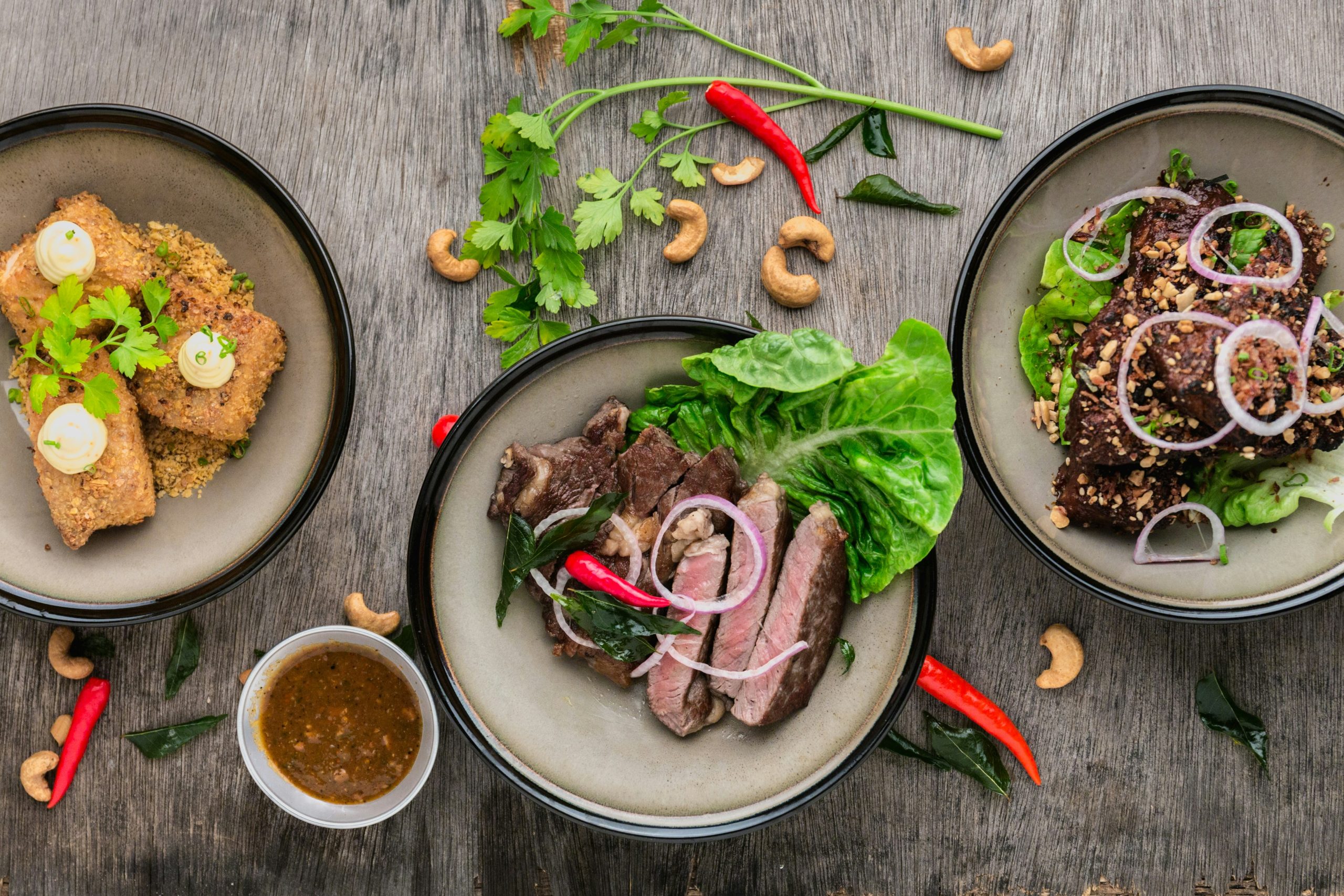
If you’ve ever stared at a tiny galley or cooler and wondered what to cook out here, you’re exactly who this guide on recipes for the boat is written for. Instead of complicated dishes that only work in a full kitchen, we’ll focus on real-world food that fits life at sea: compact ingredients, minimal washing up, and flavours that still feel special when you’re swinging at anchor. From quick easy boat meals for a choppy day to slightly more indulgent galley-friendly dinners for calm evenings, every idea in this guide is chosen with motion, storage, and fuel in mind. We’ll also look at globally inspired boat-friendly recipes that use simple pantry staples but still feel like a treat, even on a long passage. Think of this as your starting point for building a small but powerful repertoire of meals you actually want to cook onboard.
1. Greek Sailing Mezze Plate (Mediterranean Style)

When sea conditions favour a relaxed anchor rather than full-on galley cooking, this Greek-style mezze plate is a superb addition to your recipes for the boat collection. It answers the question of what’s good food to take on a boat? by relying on ingredients that travel well, need minimal prep, and require almost no heat. The recipe below uses specific quantities scaled for a boat crew of 4-6 and can be assembled entirely on deck or in a motion-friendly cockpit space.
Ingredients
- 140 g (5 oz) feta cheese, cubed
- 250 g (≈1 cup) Greek yoghurt or katiki cheese (substitute if available)
- 250 g (≈1 cup) hummus or chickpea dip
- 1 cup (≈150 g) cherry tomatoes, halved
- 1 medium cucumber (≈200 g), sliced into thick coins
- 100 g (½ cup) Kalamata olives, pitted
- 3 pita breads or flatbreads, quartered (warm lightly if available)
- 30 g (¼ cup) nuts (e.g., almonds or walnuts) for texture
- 2 tbsp extra-virgin olive oil
- 1 tsp dried oregano
- Salt & freshly cracked black pepper to taste
Recipe
- Prepare your cooler or table for assembly: clear a stable surface, ensure bowls won’t tip when the boat moves.
- Slice the cucumber and halve the cherry tomatoes and place them in one shallow, stable container.
- Cube the feta and drain it briefly on a paper towel if it’s very wet; place in a separate bowl and drizzle with 1 tbsp olive oil, sprinkle with oregano and a little black pepper.
- In small bowls, portion the yoghurt/katiki (or replace with dip) and hummus. Drizzle the yoghurt with the remaining olive oil and sprinkle a pinch of salt, then add the hummus bowl next to it.
- Arrange the olives and nuts on the platter or tray in small clusters away from any liquids to prevent dripping and mess, which is especially important when underway.
- Add the quartered pita breads or flatbreads around the dips and veggies; if you have access to a burner, briefly warm the pita (about 30 seconds per side) then let cool slightly before serving.
- Just before serving, set the platter inside the cockpit’s stable table or a secure tray table. Add salt and cracked pepper to taste, and optionally serve with lemon wedges for extra freshness.
- Enjoy your mezze cold or at ambient deck temperature, perfect for days when you prefer what to cook on a boat? with minimal heat required.
This Greek sailing mezze plate is vibrant, forgiving of cooler or limited galley conditions, and perfectly aligns with your boat-friendly cooking plan, rich in flavour, safe in variable motion, and easy to enjoy at anchor or underway. For the Greek mezze platter: How to Build the Ultimate Mediterranean Mezze Platter
2. Hawaiian Poke Bowl for Hot Weather Sailing
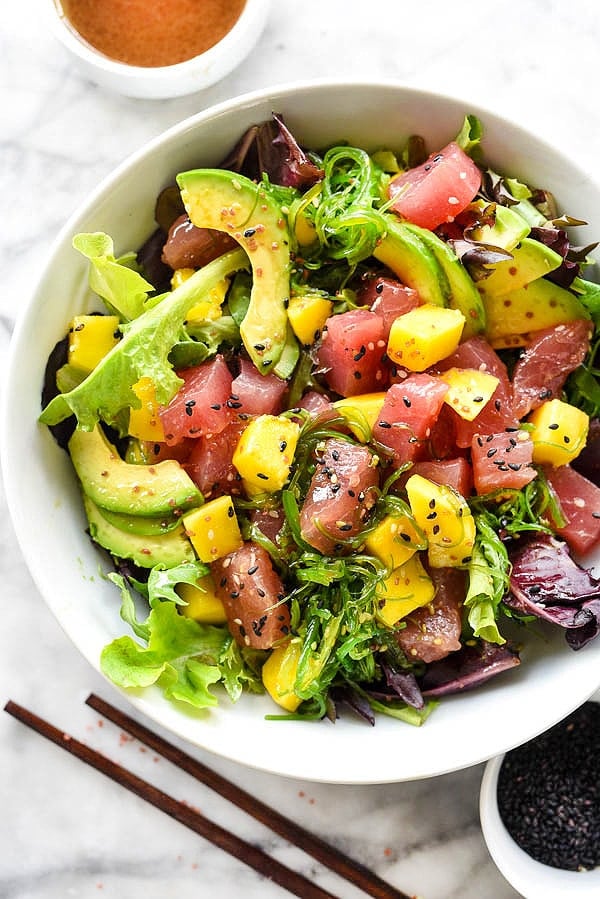
When the sun is high and the deck is swaying, this Hawaiian poke bowl is a standout in your list of recipes for the boat. Drawing from the island-classic bowl, it delivers cool, fresh flavours, and minimal fuss, ideal when you ask yourself what to cook on a boat? It uses simple marinated fresh fish or firm tofu, crisp vegetables and rice or greens, and can be prepared in one bowl. For many boaters wondering what’s good food to take on a boat?, this dish tick-boxes portability, flavour and ease. If you’re thinking ahead to a slower evening, it also solves the “what to make for dinner on a boat?” problem with a vibrant, no-mess meal that stays safe in warmer conditions.
Ingredients
- 300 g (≈10 oz) sushi-grade ahi tuna or firm tofu cubes
- 250 g (≈1 cup) cooked short-grain rice or chilled greens
- 125 g (≈½ cup) diced mango
- 100 g (≈¾ cup) sliced cucumber
- ½ avocado (≈80 g), cubed
- 2 tbsp soy sauce (≈30 mL)
- 1 tbsp toasted sesame oil (≈15 mL)
- 1 tbsp rice vinegar (≈15 mL)
- 1 tsp sesame seeds (≈5 g)
- ½ tsp chilli flakes (≈1 g) – optional for heat
Recipe
- If using fish, cut into 2 cm (¾ in) cubes; if using tofu, press briefly and cube.
- In a bowl, combine soy sauce, sesame oil, rice vinegar and chilli flakes; add fish or tofu and toss gently to coat, then let marinate for 10 minutes (or longer if time allows).
- Meanwhile, portion cooked rice or chilled greens into a large shallow bowl.
- Top with diced mango, cucumber slices, avocado cubes and the marinated fish or tofu.
- Sprinkle sesame seeds over the top, gently mix if desired, and serve immediately or cover and place in a cooler until ready to eat.
This Hawaiian poke bowl brings bright flavour to your boat galley with minimal heat and maximum ease, making it a top-choice when you want a fresh, cool dish that travels well in shore-to-boat cruising conditions. For the Hawaiian poke bowl: How to Make Poke Bowl | The Best Poke Bowl Recipe
3. Japanese “Boat Sushi” (No-Raw-Fish Version)
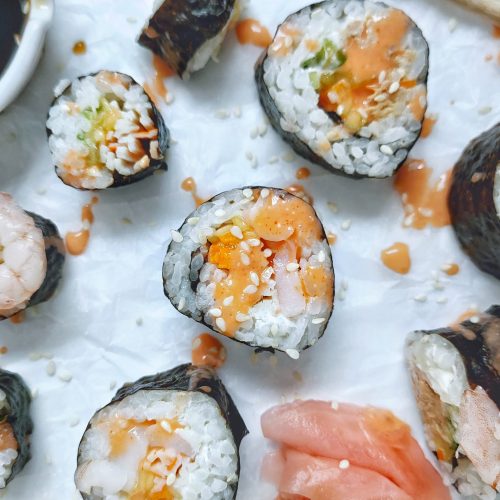
Traditional sushi often relies on raw fish, but when you’re sailing with limited refrigeration and motion-sensitive decks, opting for cooked or shelf-stable fillings makes a practical and enjoyable version of recipes for the boat. This boat-friendly sushi roll addresses the question what to cook on a boat? by using accessible ingredients, minimal equipment, and stable storage. It also offers a solution for what’s good food to take on a boat?, because the rolls can be pre-assembled and held safely in a cooler or tray. And for an evening at anchor when you ask yourself what to make for dinner on a boat?, this roll delivers flavour and elegance without raw-fish concerns or complex steps.
Ingredients
- 300 g (≈10 oz) short-grain sushi rice
- 50 mL rice vinegar
- 2 tbsp (≈30 mL) sugar
- 1 tsp (≈5 mL) salt
- 6 sheets nori (seaweed sheets, ~19 × 21 cm)
- 120 g (≈4 oz) cooked shrimp or canned tuna in brine, drained
- 1 medium avocado (≈150 g), sliced
- 1 cucumber (~200 g) julienned
- 2 tbsp (≈30 mL) mayonnaise (or Japanese Kewpie mayo)
- Sesame seeds for garnish
- Soy sauce & pickled ginger to serve
Recipe
- Cook the sushi rice according to package instructions; once done (~300 g cooked), mix in the rice vinegar, sugar and salt while still warm and let it cool slightly.
- Place a sheet of nori, shiny side down, on a rolling mat or stable tray. Keep a bowl of water nearby to wet your fingers and prevent sticking.
- Take ~100 g of the seasoned rice, spread it evenly across the nori leaving a ~2 cm border at the far edge. Gently press but don’t flatten the grains.
- In the centre of the rice layer, arrange ~20 g of cooked shrimp (or tuna mixed with mayonnaise), a line of avocado slices and cucumber juliennes.
- Using the mat or your tray, roll the nori sheet tightly around the fillings, sealing with the rice border. Wet the knife before slicing into 6–8 pieces for clean cuts.
- Sprinkle sesame seeds and serve with small containers of soy sauce and pickled ginger; place the platter on a stable table or cooler lid onboard. You can pre-assemble and chill for later as well.
This no-raw-fish boat sushi roll is a win for motion-friendly, galley-lite meal prep, it combines compact storage, ease of assembly and very minimal cleanup, making it ideal for any sailing passage or anchored lunch. Video tutorial for this roll: How to Make Simple Sushi Rolls (no raw fish)
4. Caribbean Jerk Chicken Wraps

This vibrant Caribbean-inspired wrap is a boat-friendly option perfect for casual onboard dining or a laid-back dinner when you’re sailing. Designed with compact storage and great flavour in mind, it’s a standout example of recipes for the boat, quick to prepare, easy to pack, and full of bold taste. With cooked strips of jerk-seasoned chicken, fresh mango salsa, and whole-wheat tortillas, this wrap holds up well in a cooler and transitions effortlessly from galley to cockpit. When you’re prepping an evening meal, this dish provides a satisfying yet simple solution, making it one of the go-to choices among recipes for the boat for dinner onboard.
Ingredients
- 450 g (≈16 oz) boneless skinless chicken breasts, cut into strips
- 2 tbsp (≈30 mL) Jamaican jerk seasoning paste or dry blend
- 4 large whole-wheat tortillas (≈30 cm / 12″ diameter)
- ½ mango (≈120 g), diced into small cubes
- 100 g (≈¾ cup) shredded lettuce
- ½ red onion (≈80 g), thinly sliced
- 1 tbsp (≈15 mL) olive oil for cooking chicken
- 2 tbsp (≈30 mL) mayonnaise (or light mayo) – optional sauce
- Juice of ½ lime (≈15 mL)
- Salt and freshly cracked black pepper, to taste
Recipe
- Toss the chicken strips with the jerk seasoning, ensuring even coating; allow to marinate for at least 15 minutes (or up to 1 hour if time allows).
- Heat the olive oil in a skillet or portable boat galley pan over medium heat. Cook the chicken strips for 5–7 minutes, stirring occasionally, until fully cooked and browned. Season with salt and cracked pepper.
- While the chicken cooks, combine the diced mango, sliced red onion and the lime juice in a bowl to make a quick mango salsa; keep chilled until serving.
- Briefly warm each tortilla (≈20 seconds per side) to soften, then spread roughly ½ tbsp of mayonnaise (if using) onto each. Divide the cooked chicken strips across the tortillas, top with shredded lettuce and a spoonful of mango salsa.
- Roll each tortilla tightly, then wrap in foil or parchment paper for easy handling on deck. Serve immediately, or place in your cooler for later consumption in motion.
Caribbean jerk chicken wraps combine bold flavour, minimal mess and portability, making them an excellent choice for boat dining, both when anchored and underway. Video tutorial: How to Make Restaurant Quality Jerk Chicken Wraps
5. Nordic Sailor’s Creamy Salmon Stew

Drawing on the calm seas and coastal kitchens of northern Europe, this creamy salmon stew is a standout addition to your collection of recipes for the boat. Using cubes of salmon, firm potatoes, leeks and fresh dill, the dish offers comforting richness with one-pot simplicity, an ideal dish when you want hearty flavour with minimal fuss. With bold notes of cream and dill combined with the durability of root vegetables, this meal is perfect for life at sea, making it one of the most reliable boat-friendly one-pot meals you can carry onboard. It stands out among easy meals for a sailboat galley by being warm, sustaining and suited for motion-friendly cooking. Whether at anchor or after a long watch, this stew delivers marine-cooking comfort without sacrificing practicality.
Ingredients
- 500 g (≈18 oz) salmon fillet, skinned and cut into 2 cm (¾ in) cubes
- 400 g (≈14 oz) firm potatoes, peeled and cubed
- 150 g (≈5 oz) carrots, peeled and sliced
- 120 g (≈4 oz) leek (white + light green part), cleaned and thinly sliced
- 1 L (≈34 fl oz) fish or vegetable stock
- 240 mL (≈1 cup) heavy cream (35% fat) or coconut milk alternative
- 30 g (≈1 oz) fresh dill, finely chopped
- 2 tbsp (≈30 mL) unsalted butter or olive oil
- Salt & freshly ground black pepper, to taste
- Juice of ½ lemon (≈15 mL), optional for brightness
Recipe
- In a pot onboard your galley, melt the butter (or heat the oil) over medium heat; add the leeks and sauté for about 5 minutes until softened but not browned.
- Add the chopped potatoes and carrots then pour in the stock; bring to a gentle simmer and cook for 10–12 minutes until vegetables are nearly tender.
- Stir in the heavy cream (or coconut milk alternative) and ensure the mixture returns to a gentle simmer. Add the salmon cubes, cover the pot, and cook for 3–5 minutes or until the fish is just cooked through.
- Remove from heat, stir in the chopped dill, add lemon juice if using, and season with salt and pepper. Keep covered until ready to serve—this one-pot format is ideal for galley-limited conditions.
- Serve in stable bowls on deck, with rustic bread or crackers if you have space for a side. The dish holds its temperature and texture well, making it both satisfying and practical.
Conclusion: This rich yet manageable Nordic creamy salmon stew ranks among the best marine cooking comfort dishes for a sailboat galley. It combines deep flavour, minimal dishes and motion-friendly design, perfect for your sea-ready dinner plan. Video tutorial reference: How to make Nordic Salmon Soup (Lohikeitto)
6. Italian Tuna & Olive Boat Pasta

Drawing on pantry staples and vibrant Mediterranean flavours, this Italian-style tuna & olive pasta is one of the standout recipes for the boat. With canned tuna, briny olives, hearty pasta and olive oil as key players, it stands out among easy meals for a sailboat galley by requiring minimal equipment and cleanup. The one-pan method transforms basic ingredients into a satisfying dish perfect for deck-side dinners or quick lunches while underway. This recipe also ranks high on the list of marine cooking comfort dishes thanks to its familiar flavour profile and reliable preparation, making it an excellent choice for onboard dining experiences.
Ingredients
- 400 g (≈14 oz) spaghetti or linguine
- 2 tbsp (≈30 mL) extra-virgin olive oil
- 1 garlic clove, thinly sliced
- 1 small red onion (~80 g), finely chopped
- 150 g (≈5 oz) pitted black or Kalamata olives, halved
- 2 tbsp (≈30 g) brined capers, drained
- 300 g (≈10½ oz) canned tuna in olive oil, drained
- 200 g (≈7 oz) cherry tomatoes, halved
- ½ tsp (≈2.5 g) chilli flakes (optional)
- Salt & freshly ground black pepper, to taste
- Fresh parsley (~10 g) chopped for garnish
Recipe
- Bring a large pot of salted water to a boil and cook the pasta until al dente according to package instructions. Save about 100 mL (≈½ cup) of the pasta cooking water.
- Meanwhile, in a large pan over medium heat, add the olive oil and sauté the sliced garlic and chopped onion for 2-3 minutes until translucent. Add chilli flakes if using.
- Stir in the halved olives, capers and drained tuna, breaking up the tuna slightly. Cook for 2 minutes to combine flavours.
- Add the cherry tomatoes and reserved pasta water, then drain the pasta and toss it into the sauce. Mix thoroughly so the pasta absorbs the flavour and the liquid thickens slightly. Season with salt and pepper.
- Remove from heat, crumble chopped parsley over the dish and serve directly in bowls or portable trays that can sit stably on deck. This single-skillet method keeps cleanup minimal and movement manageable.
This Italian tuna & olive boat pasta blends pantry staples with Mediterranean flavour for a dish that’s both practical and delicious for sailing. Video tutorial reference: Tuna & Olive Pasta Recipe Video
7. Turkish Gözleme Flatbread for Quick Sailing Lunches
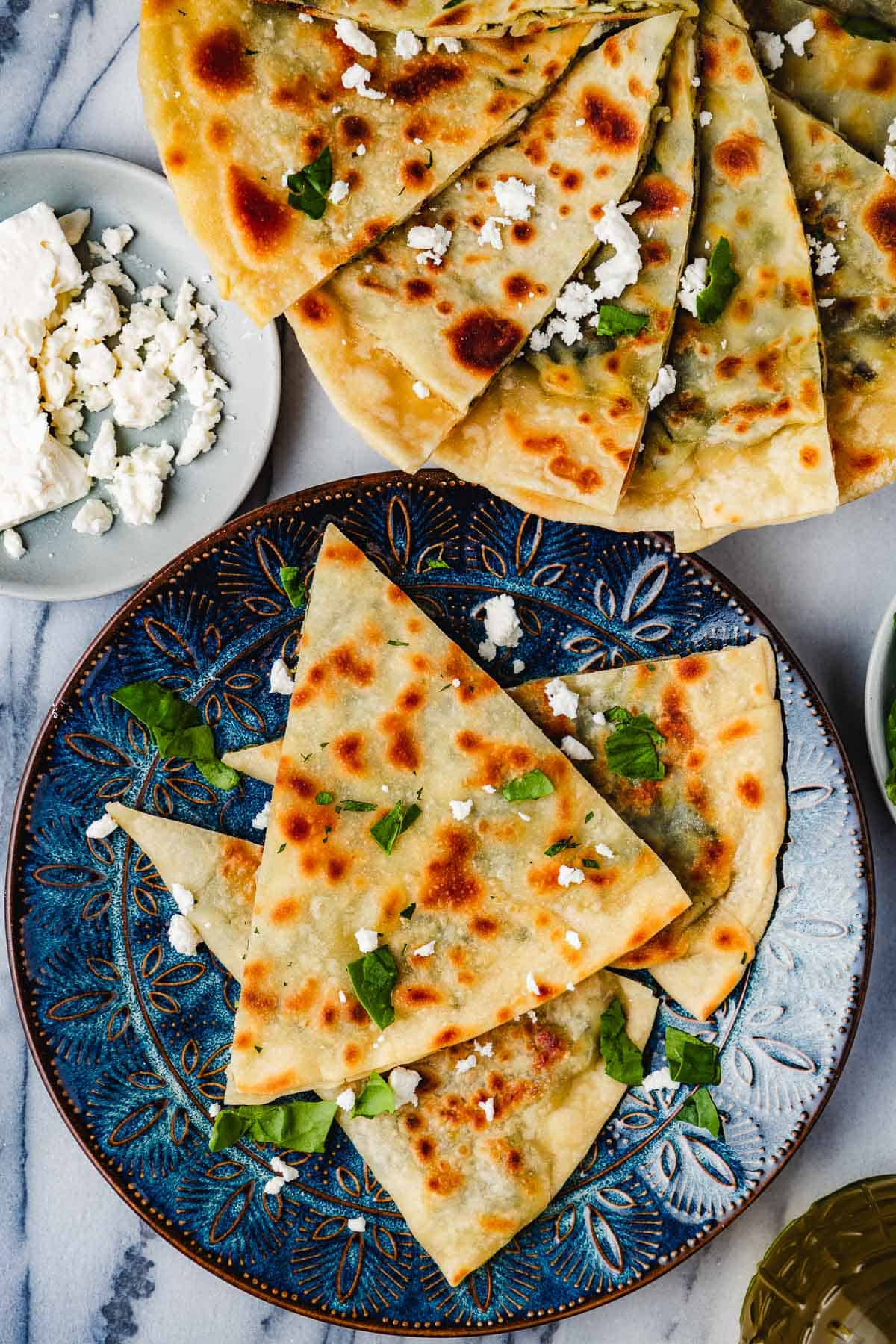
This Turkish flatbread offers a clever answer when you’re looking for portable meals that travel well at sea. With its thin unleavened dough, savoury fillings and compact shape, it aligns perfectly with your collection of recipes for the boat. Ideal for a sailing lunch, it uses minimalist equipment and reliable ingredients, making it a strong contender among easy meals for a sailboat galley. Whether you’re anchoring or tacking between waypoints, this flatbread keeps things practical, flavour-rich and tidy on deck.
Ingredients
- 400 g (≈14 oz) all-purpose flour
- ½ tsp (≈3 g) salt
- 260 mL (≈9 fl oz) lukewarm water
- 2 tbsp (≈30 mL) olive oil, plus more for cooking
- 150 g (≈5 oz) crumbled feta cheese
- 200 g (≈7 oz) baby spinach, roughly chopped
- 1 medium onion (~110 g), finely chopped
- ½ tsp Aleppo pepper or red chilli flakes (≈1 g), optional for a light kick
- Juice of ½ lemon (≈15 mL), for serving
Recipe
- In a mixing bowl, combine the flour and salt; make a well in the center, add water and olive oil, and mix until a rough dough forms. Knead for about 5 minutes on a lightly floured surface until smooth. Cover and let rest while preparing the filling. (Inspired by recipe structure at The Mediterranean Dish)
- Heat a small amount of olive oil in a skillet or galley pan over medium heat. Add the chopped onion and cook for 2–3 minutes until softened, then stir in the spinach until just wilted. Remove from heat and allow to cool slightly, then mix in the crumbled feta and Aleppo pepper. (Based on techniques from RecipeTin Eats)
- Divide the rested dough into four equal pieces. On a floured surface, roll each piece into a circle ~20 cm (8 in) diameter and spread one quarter of the filling onto half of the circle. Fold the dough over and seal the edges by pressing or crimping. Brush with olive oil. (Adapted from Aegean Delight)
- Cook each flatbread in the pre-heated pan for approximately 3–4 minutes per side until golden brown and crisp. Use a stable tray or board to transfer them on deck safely. Serve warm or cold with lemon wedges for a quick, mobile lunch. (Video reference also available)
The Turkish gözleme flatbread brings the best of portability and flavour to your on-deck meals, its crisp, stuffed layers travel perfectly and serve easily without the mess of traditional plates. Just one skillet and a stable surface deliver a snack or lunch that feels crafted, yet remains firmly in the realm of easy meals for a sailboat galley. For a full visual walkthrough of the technique, here’s a helpful tutorial: How to Make Turkish Gözleme (Spinach & Feta)
8. Thai Coconut Curry Bowl (Easy Galley Version)
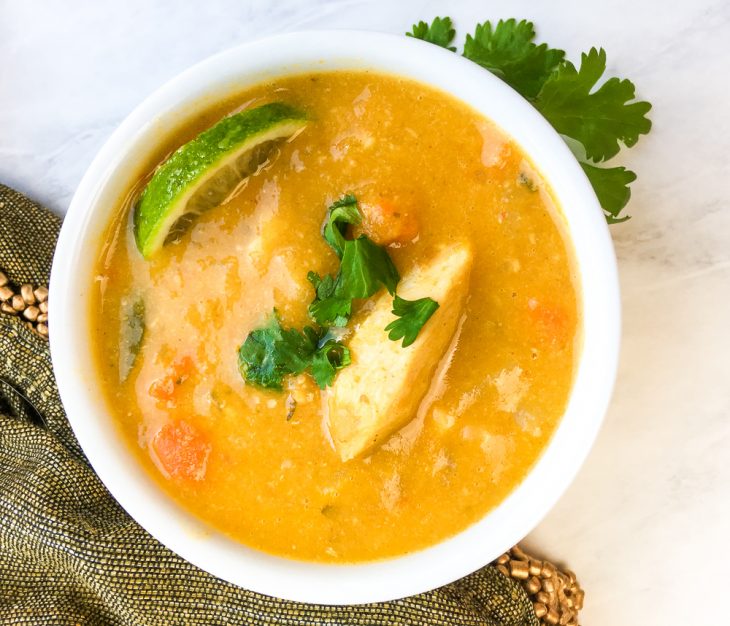
Designed specifically for limited-space galleys and motion-prone passages, this Thai coconut curry bowl offers a convenient yet flavour-rich option for your collection of recipes for the boat. With shelf-friendly coconut milk, quick-cooking vegetables and optional protein, it’s a strong answer when you’re optimizing for marine cooking comfort dishes. This bowl can be prepared in one pot, uses minimal utensils and cleans up with ease, ideal for when you want real flavour without fuss. Whether you’re anchoring in warm waters or prepping dinner after a long watch, this dish stands out among easy meals for a sailboat galley thanks to its adaptability, portability and bold taste.
Ingredients
- 400 mL (≈13½ fl oz) full-fat coconut milk
- 2 tbsp (≈30 mL) Thai red curry paste
- 1 tbsp (≈15 mL) coconut oil or olive oil
- 2 cloves garlic, minced (≈6 g)
- 1 inch (≈25 g) piece fresh ginger, grated
- 300 g (≈10½ oz) boneless chicken breast or firm tofu, cut into cubes
- 200 g (≈7 oz) mixed vegetables (e.g., bell pepper, carrot, zucchini), sliced
- 150 g (≈5½ oz) baby spinach
- Juice of 1 lime (≈30 mL)
- 2 tbsp (≈30 mL) fish sauce or soy sauce
- ½ tsp (≈1.5 g) chilli flakes or chopped red chilli (optional)
- Fresh cilantro or basil for garnish (~10 g)
Recipe
- Heat the coconut oil (or olive oil) in a single pot or galley pan on medium heat; add the garlic and ginger and sauté for about 1 minute until fragrant, being careful not to burn.
- Stir in the red curry paste and cook for another 30 seconds to intensify the aroma. Pour in the coconut milk and bring the mixture to a gentle simmer.
- Add the cubed chicken or tofu, the sliced vegetables and the spinach; cover and simmer for 5-7 minutes until the protein is cooked and the vegetables are tender yet still bright.
- Stir in the lime juice, fish sauce (or soy sauce) and chilli flakes; taste and adjust seasoning. Remove from heat and sprinkle with fresh cilantro or basil. Transfer to stable bowls or reusable containers suitable for deck use.
- If onboard storage is needed, let the curry cool slightly and store in covered containers in a cooler for later. Reheat gently or serve at ambient temperature if conditions allow.
Conclusion: This Thai coconut curry bowl delivers creamy richness and tropical spices while remaining compact, galley-friendly and ideal for sailing conditions, an excellent choice for those seeking sea-ready dinner ideas for boats. Video tutorial reference: Easy Thai Coconut Curry Bowl Recipe
9. Spanish Tortilla (Cold Sailing Version)
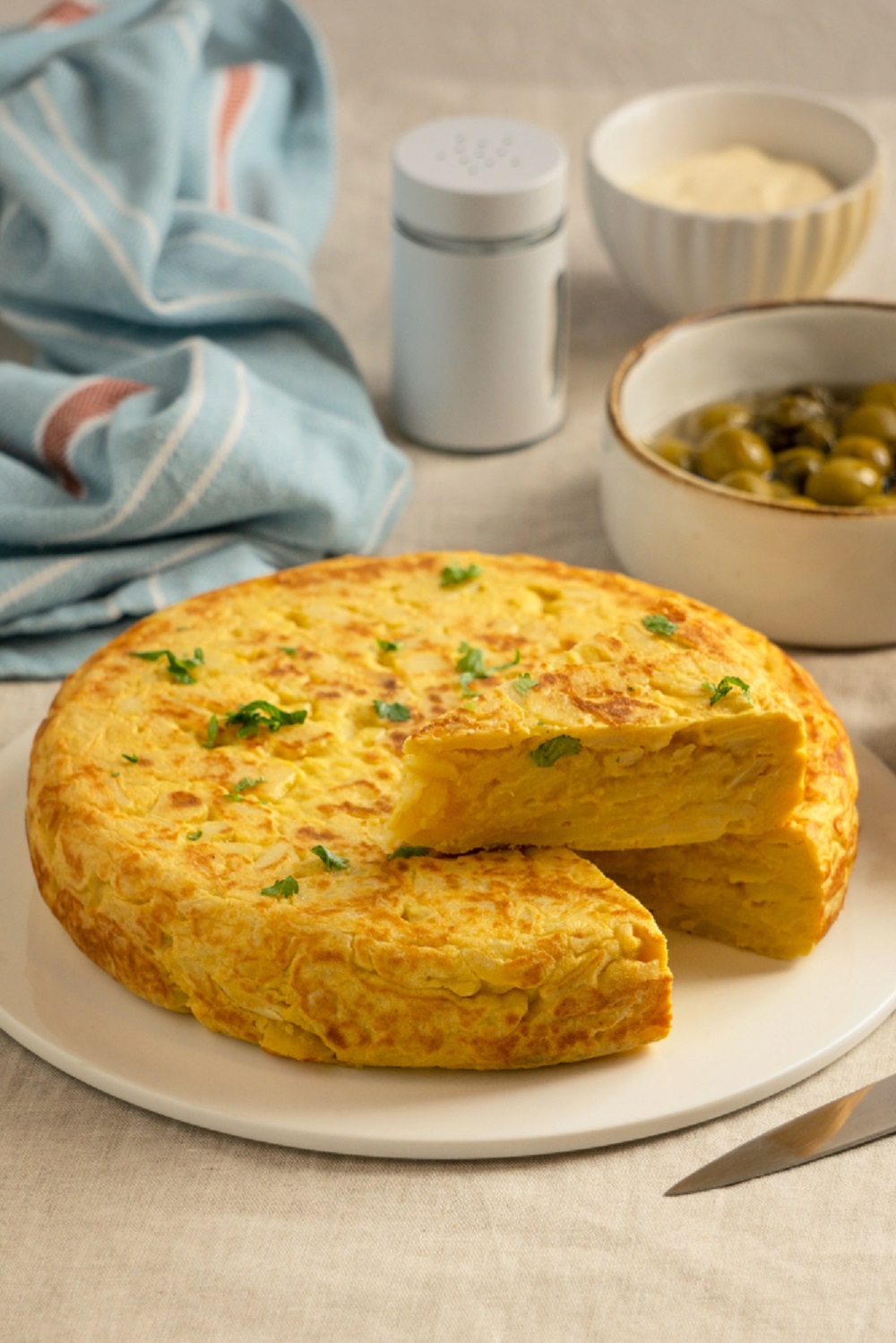
This classic Spanish omelette, traditionally enjoyed at room temperature or chilled, makes a perfect choice for your sail-friendly recipe collection. With eggs, potatoes and onions cooked gently in olive oil, the dish travels well, holds its shape and becomes one of the most reliable recipes for the boat. When you need a meal prepared ahead of a passage, this version stands out among sea-ready dinner ideas for boats for its simplicity, durability and minimal cleanup. Whether you’re anchoring or underway, it offers elegant ease in a single dish.
Ingredients
- 500 g (≈18 oz) waxy potatoes (e.g., Yukon Gold), peeled and thinly sliced (~5 mm thick)
- 1 large onion (~150 g), thinly sliced
- 6 large eggs, beaten and lightly salted
- 100 mL (≈¼ cup) extra-virgin olive oil, plus extra for cooking
- Salt and freshly cracked black pepper, to taste
- Optional: chopped parsley (~10 g) for garnish
Recipe
- Heat ~50 mL of olive oil in a nonstick pan or galley skillet over medium-low heat. Add the potato slices and onion, season lightly, and cook gently for 15–20 minutes, stirring occasionally, until the potatoes are tender but not browned.
- While the potatoes and onions cook, beat the eggs in a bowl and season with salt and pepper.
- Once the potato-onion mix is ready, drain excess oil (reserve for later use if desired). Add the cooked mix into the beaten eggs, stir gently and let it rest for 2–3 minutes so the starches mingle.
- Wipe the skillet clean (or use a second pan). Return ~30 mL olive oil to the pan and warm on medium. Pour in the egg-potato mixture and cook for about 4–5 minutes until the edges are set and the centre is still slightly soft.
- Place a plate larger than the pan over the skillet, invert the tortilla onto the plate, then slide it back into the pan cooked-side up for another 2–3 minutes to finish. Let it cool in the pan, then transfer to a stable container and chill or let it reach room temperature before slicing.
This Spanish tortilla is a calm-deck classic—simple to prepare, easy to store, and wholly suited to life onboard. Cook it once, chill it, and you have a dish that travels effortlessly, slices cleanly, and holds its texture even when the boat moves. Ideal for anchor lunches or passage snacks, this make-ahead option gives you the taste of coastal Spain without demanding extensive galley time. Watch the tutorial: Ultimate Spanish Omelette | Omar Allibhoy
10. French Sailor’s Ratatouille in a Pot
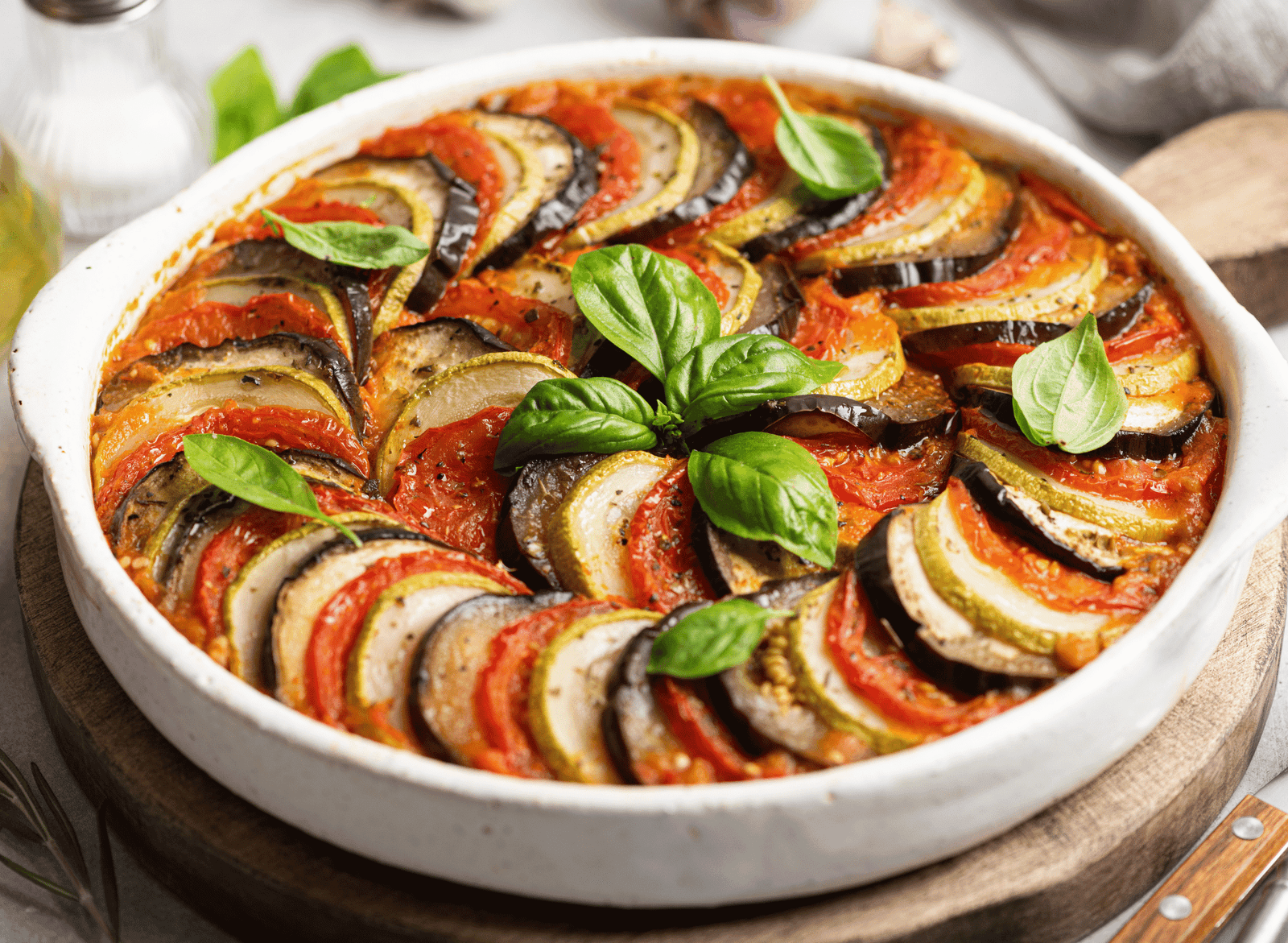
This classic Provençal vegetable stew translates beautifully into a one-pot boat meal, offering a blend of rustic flavour and practical preparation, ideal when you’re looking for compact, efficient cooking options onboard. With a base of eggplant, zucchini, bell peppers and tomatoes simmered with olive oil and herbs, this dish delivers hearty comfort and works well when you don’t want to tend a complex stove setup. Built for simplicity and durability, it ranks among the most reliable of recipes for the boat.
Ingredients
- 300 g (≈10½ oz) eggplant, cubed
- 250 g (≈8¾ oz) zucchini, sliced
- 200 g (≈7 oz) red bell pepper, diced
- 200 g (≈7 oz) yellow bell pepper, diced
- 400 g (≈14 oz) ripe tomatoes, chopped
- 1 large onion (~150 g), chopped
- 3 garlic cloves (~9 g), minced
- 3 tbsp (≈45 mL) extra-virgin olive oil
- 1 tsp (≈5 g) fresh thyme (or ½ tsp dried)
- 1 tsp (≈5 g) fresh basil, chopped (or 1 tsp dried)
- Salt & freshly ground black pepper, to taste
Recipe
- Heat the olive oil in a deep pot over medium heat; add the onion and cook until soft, about 4–5 minutes.
- Add the garlic, then the bell peppers; cook another 3 minutes until vegetables begin to soften.
- Stir in the eggplant and zucchini; cook for 5–6 minutes, stirring occasionally.
- Add the chopped tomatoes, thyme and basil; reduce heat to low and simmer uncovered for 20–25 minutes until the vegetables are tender but still hold shape.
- Season with salt and pepper; remove from heat and let rest for 5 minutes before serving. This stew works equally well warm or at room temperature, ideal for deck-side eating or cool weather dining aboard.
Conclusion: With its rich medley of summer vegetables and fragrant herbs in one pot, the French sailor’s ratatouille brings flavour and practicality into perfect harmony — a hearty yet tidy option for life onboard. Whether served warm at anchor or chilled during a passage, it offers the kind of dependable, comforting meal that sloshes less and travels well in a galley. Watch how easily it comes together: Traditional Ratatouille Recipe – Step by Step
11. Moroccan Couscous with Raisins & Chickpeas
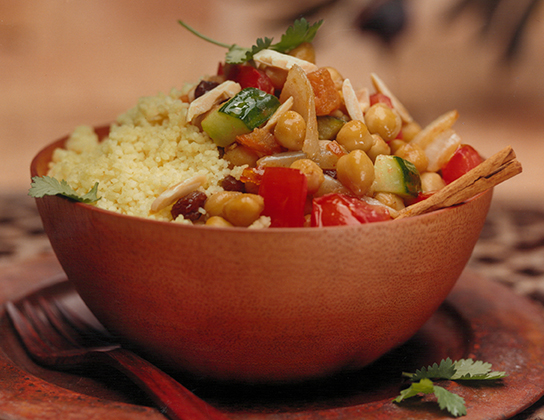
Bright, fragrant and travel-friendly, this Moroccan-style couscous with chickpeas and raisins is an excellent addition to your collection of recipes for the boat. Using quick-cooking couscous, canned chickpeas and dried fruit, it offers bold North African flavour while keeping prep, cleanup and galley stress to a minimum. This dish travels well in a cooler, makes a satisfying lunch or light dinner onboard, and shines when you want dependable, tasty food with minimal fuss.
Ingredients
- 250 g (≈9 oz) Moroccan-style couscous (dry weight)
- 300 mL (≈10½ fl oz) vegetable or chicken stock, boiling
- 65 g (≈½ cup) golden raisins
- 1 can (≈400 g / 15 oz) chickpeas, drained and rinsed
- 1 tbsp (≈15 mL) olive oil
- 1 yellow onion (~110 g), finely diced
- 1 tsp (≈5 g) ras el hanout spice blend (or substitute ½ tsp each of cumin, coriander, turmeric and a pinch of cinnamon)
- 2 tbsp (≈30 mL) lemon juice
- 10 g (≈2 tbsp) chopped fresh parsley or mint
- Salt & freshly ground black pepper, to taste
Recipe
- Heat the olive oil in a pot or galley pan over medium heat; add the diced onion and sauté for about 2-3 minutes until soft, seasoning lightly.
- Add the ras el hanout (or substitute spices) and stir for 30 seconds until fragrant.
- Pour in the boiling stock, then immediately stir in the couscous and raisins. Cover the pot and remove it from heat; let it stand for about 5 minutes until the liquid is absorbed.
- Fluff the couscous with a fork, then stir in the chickpeas, lemon juice and chopped parsley (or mint). Season with salt and pepper.
- Serve warm or at room temperature; this dish stores beautifully in a covered container, making it highly practical for boat life.
This Moroccan couscous with raisins and chickpeas offers a vibrant burst of flavour and texture while staying remarkably practical for life onboard, light enough for hot-weather sailing, hearty enough for anchor lunches, and resilient enough to store in your cooler. It blends well with your repertoire of one-pot or minimal-maintenance dishes, requiring just one pot and very little cleanup. Watch the full preparation here: Moroccan Couscous with Chickpeas & Raisins – Video Tutorial
12. Australian BBQ Boat Skewers
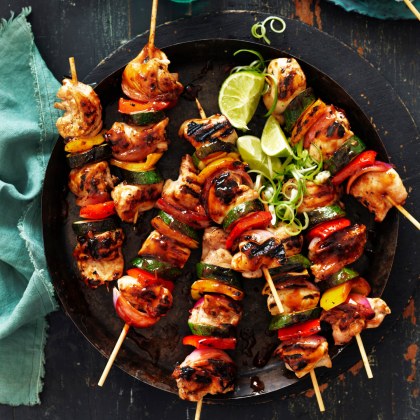
With the signature spirit of an Australian beachside barbecue adapted for boat life, these BBQ skewers bring bold, hassle-free flavour to your selection of recipes for the boat. Featuring marinated cubes of meat or seafood, vibrant vegetables and direct-grill styling, this dish fits perfectly into a sail-friendly galley or portable barbecue setup. Whether you’re anchored or enjoying a midday break, these skewers deliver the simplicity of outdoor cooking with minimal cleanup and maximum impact.
Ingredients
- 600 g (≈21 oz) Australian beef skirt or flank steak, trimmed and cut into 3 × 3 cm cubes (or substitute chicken thigh)
- 1 red capsicum (≈150 g), chopped into 2 cm pieces
- 1 yellow capsicum (≈150 g), chopped into 2 cm pieces
- 1 red onion (~120 g), quartered
- 2 tbsp (≈30 mL) olive oil
- 3 garlic cloves (~9 g), crushed
- ½ tsp (≈2.5 g) dried oregano
- ½ tsp (≈2.5 g) paprika (smoked if available)
- Salt & freshly cracked black pepper, to taste
- Wooden or metal skewers (if wooden, soak in water at least 30 minutes)
Recipe
- In a bowl, combine the beef cubes (or chicken), garlic, olive oil, oregano, paprika, salt and pepper. Mix well so every cube is coated, then cover and marinate for at least 30 minutes (or up to 2 hours if possible).
- Pre-soak wooden skewers in water if using; cut the onion and capsicum into uniform pieces that match your meat size so everything cooks evenly.
- Thread the meat, onion and capsicum alternately onto the skewers—aim for 3-4 pieces of meat per skewer, separated by colourful vegetables.
- Heat your grill, char plate or portable BBQ to medium-high. Place skewers on the grill and cook about 3-4 minutes per side, turning once, until meat is charred on the outside but still juicy inside. For chicken, ensure internal temperature is safe.
- Once cooked, transfer skewers to a stable plate or tray on deck, allow to rest for 1-2 minutes, then serve directly from the skewers. Consider securing plates with non-skid mats or stopper edges for motion conditions onboard.
These Australian-style BBQ skewers bring the flavour of the beachside grill onboard in a smart, boat-ready format. With marinated meat, grilled vegetables and minimal mess, they deliver bold taste and easy cleanup—ideal whether you’re anchored or making landfall. Sit back, skewers in hand, and enjoy an effortless feast under sail. Watch the full how-to video: How to Grill Kebabs – Beef, Shrimp & Vegetables
Conclusion
As your voyage draws to a close and you reflect on the horizon behind you, one thing remains clear: the true magic of your journey lies not only in the sails but also in the meals you’ve enjoyed. These curated recipes for the boat have proven how efficient, flavour-rich and sail-friendly cooking onboard can be. From Mediterranean mezze boards to Thai coconut curry bowls, each of these recipes for the boat has been chosen with motion, storage and simplicity in mind. They’ve shown you what to cook on a boat without sacrificing taste, what to make for dinner on a boat when galley time is short, and what’s good food to take on a boat when space is tight. Whether you’re anchored in a quiet bay or crossing open water, these recipes for the boat become your culinary toolkit, practical one-pot meals, chilled travel-friendly dishes and grill-style feasts that work reliably at sea. Keep this repertoire close, adapt ingredients locally and revisit the list when you plan your next cruise. Because on a boat, good food fuels good memories, and the best recipes for the boat will always be the ones that deliver taste, ease and adventure together.
Frequently Asked Questions (FAQs):
🍲Can I cook while the boat is underway?
It is generally safer to prepare meals when the vessel is stable or anchored, as galley movement and sloshing reduce control over hot pans and utensils.
🍲What types of meals work best in a small boat galley?
Choose dishes that require few pots and minimal cleanup, so cooking onboard remains practical and free from clutter.
🍲How should I store food on a boat with limited refrigeration?
Use airtight containers, consume perishables early, and lean on non-perishables like canned goods or dried grains to maximise storage efficiency.
🍲What equipment should I prioritise in a boat galley?
Focus on a secure stove, nesting cookware, a non-slip work surface and multi-purpose utensils to keep your cooking safe and streamlined.
🍲How do I plan my provisioning for a sailing trip?
Draft a simple menu in advance, include durable staples, pick up fresh produce early, and prepare components ahead to lighten galley workload.
References
- “Cooking On The Boat: Sailing Boat Food & Menu Ideas” — Angelina Yachtcharter Blog, Mar 15, 2025
- “Boat Meal Planning – Tips for Cooking & Eating Well at Sea” — Yacht Mauritius Blog, Jul 2025
- “8 Must-Try Boat Meals for Your Next Sailing Adventure” — Croatia Yachting Blog, Oct 2024
- “More words about sailing and food” — Pete’s Blog, Oct 20, 2025
- “Cooking on a Boat? What to Cook + a 7-day Menu” — Nava Boats Blog, 1.1 years ago
https://marinefuse.com/arc-flash-protection-marine-electrical-systems/
The Rise of Hybrid Energy Systems in 2026 for Remote and Off-Grid Marine Vessels
Are High-Tech Ocean Travel Worth It in 2026? Pros, Cons & Hidden Costs
Comments are closed