
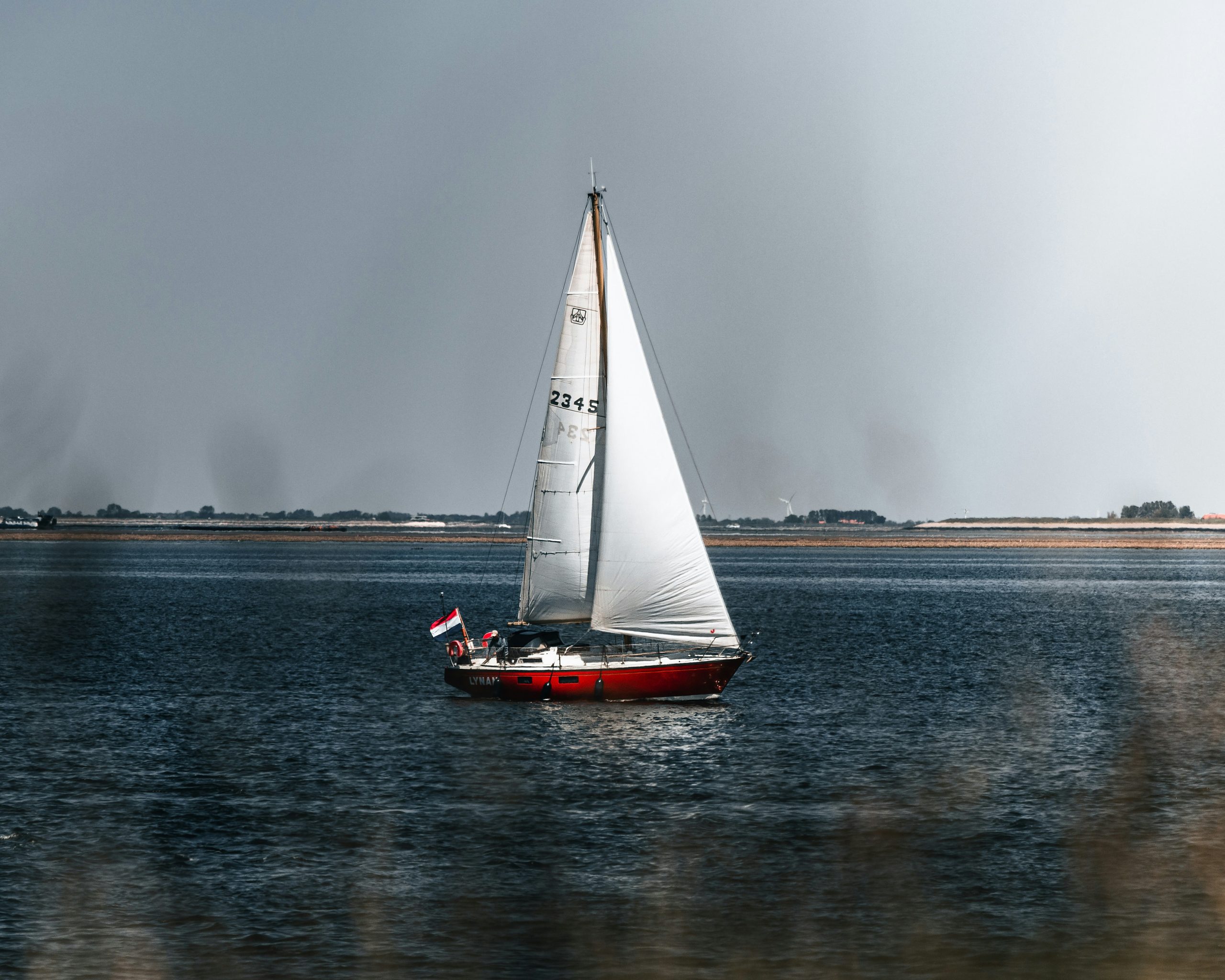
You might be scrolling boat adverts between train stops, wondering whether a small sailing boat would genuinely fit into your life in the United Kingdom. A good daysailer sailboat should feel like an invitation, not another long term project. It is the boat you can tow to a slip on a grey Saturday, launch without drama and still be home in time for a late roast.
This guide is written with that very real picture in mind. It blends the kind of information large marine sites share with the quieter wisdom that usually appears over a kettle in a club galley. By the end you will have a clear sense of what a daysailer sailboat is, a simple five step method to pick the right style, seven concrete models to benchmark against and a compact checklist you can carry into yard visits.
What a Daysailer Actually Is (and Who It’s For)

A daysailer sailboat sits in the space between a dinghy and a cruising yacht. It is big enough to feel reassuring when a gust rolls across the Solent or the Clyde, yet small enough to tow or keep in a modest berth. You take it out for a few hours, maybe a long summer afternoon, then head home or back to the club bar on the same day.
Across the United Kingdom these boats show up everywhere. Reservoir clubs use them to introduce adults to sailing. Estuary sailors keep one for evening races and tide friendly picnics. Coastal owners treat a daysailer sailboat as the fun, low maintenance cousin of a larger cruiser that might live in a different harbour. The common thread is simple. They deliver real sailing with a realistic amount of faff.
The quick definition (day sailing first, low hassle)
Rather than starting with a neat definition, start with a day in your head. Picture a Saturday in June. The forecast is a mixed westerly at twelve to fifteen knots with sunny spells and a chance of showers. You arrive at the club car park with a coffee that is still warm.
On the right daysailer sailboat, the sequence from car to clear water feels straightforward. Roll the boat from the compound, raise the mast, pin the shrouds, hoist the main in one clean pull, sort the jib and lines, and slide off the trolley. There are no mysterious fittings left in your hand, no spaghetti of ropes hiding under a seat. When you return, dropping sails, hauling out and rinsing salt away is just as clear.
For many new owners the ideal boat is something that one person can handle in light to moderate conditions, yet also leaves space for a friend or two. That balance usually means a generous cockpit, a simple sloop rig and enough stability that sailing in a gusty Firth of Forth feels like an enjoyable challenge rather than a white knuckle exercise.
The main categories (dinghy style, small keelboat, trailerable, classic)
Once you know the kind of day you want, the main styles make more sense.
A dinghy style daysailer sailboat looks like a grown up training dinghy. It often has a centreboard, a transom hung rudder and very little in the way of cabin or structure. Launching is quick, the boat responds instantly and capsizes are a normal part of learning. This style flourishes on lakes, reservoirs and sheltered bays where water is flat and access is simple.
A small keelboat carries ballast in a fixed or lifting keel. It heels more slowly and holds its line more firmly upwind. This makes it appealing for short coastal hops or choppy estuary days where a bit of extra weight calms the motion. Many versions can still be towed, but they demand more careful ramp work and a sturdier car.
Trailerable pocket cruisers mix features. A lifting keel, small cabin and proper deck gear let you tow the boat to the West Country one month and Scotland the next. Rigging takes longer yet you gain mini cruising potential. A boat like this can still be a daysailer sailboat for local evenings while stretching to simple overnight trips.
Then there are classics. Gaff rigs, varnished trim and pretty sheerlines. A classic daysailer sailboat is rarely the fastest boat on a reach, yet it is often the one people photograph as you ghost into a Cornish harbour at golden hour. If the idea of tan sails and traditional details makes you smile, this camp is worth exploring.
If you are completely new, it helps to take a short course at a local club first so that you are not learning both basic seamanship and boat ownership at the same time. You can also work through a couple of best sailing books for beginners at home, then bring those drills and checklists onto your first daysailer sailboat.
A Simple 5 Step Method to Choose One You Will Actually Use

Instead of drowning in specification tables, walk through these five questions with a notebook or notes app. Each step filters the field. By the end you will have a shortlist that genuinely fits your life rather than just your daydreams.
🎁Step 1: Where you will sail and store it trailer, mooring, marina
-
Write down your most likely sailing areas by name, not just “the coast” or “a lake”.
-
Check those places for draft limits, tidal range and the sort of slipways available.
-
Decide if the boat will live on a driveway, in a club compound or on the water full time.
-
Be honest about how far you are willing to tow a daysailer sailboat on an ordinary weekend.
-
If you plan to tow, look at realistic all up trailer weight and whether your current car can legally and safely manage it.
Geography is your first filter. The Solent, the Norfolk Broads, a Scottish sea loch and a Midlands reservoir all ask different questions of a hull. Shallow, muddy rivers reward lifting keels and centreboards. Open coastal water favours a bit more freeboard and a steadier motion. Once you know where you will actually sail and where the boat will live between trips, many unsuitable designs fall away on their own. The daysailer sailboat that fits your life is the one that fits your map and your parking space before anything else.
🎁Step 2: Your real crew size solo, couple, family
-
Write down your typical crew rather than the idealised party, for example one person practising, a regular pair, or two adults with two children.
-
Picture a full outing from leaving the mooring to coming home and imagine where each person will sit when sailing, eating and when someone is nervous.
-
Push the scenario a little and imagine one person seasick and one person exhausted and see whether the remaining person could still manage the boat.
-
If you plan to bring children or older relatives, pay special attention to cockpit depth and handholds so that they feel secure enough to relax.
Crew reality shapes layout and size more than most people admit. If you will mostly sail alone or with one keen friend, a smaller daysailer sailboat with a clean cockpit and all the important lines within reach will probably see far more use than a wide, deep hull that really wants a crowd. If your dream is a family day out, then long benches, decent backrests and somewhere to stash a bag of snacks and spare clothes matter far more than theoretical top speed.
🎁Step 3: Stability and safety comfort level ballast versus light hulls
-
Ask yourself whether you enjoy a boat that reacts quickly to gusts or one that leans more slowly and feels very steady.
-
When reading specifications, look at beam, whether there is ballast and how rounded or flat the underwater shape appears.
-
Run a little mental clip of a sudden gust arriving and decide how you would like the boat to behave in that moment.
-
If you can, arrange test sails in both a lighter dinghy style hull and a ballasted pocket keelboat and compare how you feel stepping ashore afterwards.
Stability is partly physics and partly gut feeling. A light, responsive daysailer sailboat heels readily and talks to you through the tiller. Some sailors find that alive and thrilling. Others feel on edge once there are children in the cockpit. A ballasted design with a keel or water ballast reacts more slowly and stands up to gusts better but asks for more depth and often a heavier trailer. There is no moral right answer here. The right choice is whichever behaviour leaves you feeling safe and keen to go out again.
🎁Step 4: Setup effort rigging time, launch, recovery
-
Decide roughly how many minutes you are willing to spend between parking the car and sailing clear of the slipway.
-
When a seller or friend describes their routine, write down each step such as stepping the mast, attaching shrouds, fitting the boom, sorting halyards and moving the trolley.
-
Imagine doing that same sequence on a chilly, breezy day with light drizzle and a queue at the slip.
-
Ask exactly how many people are normally involved in launch and recovery for that design.
-
If you can, watch other owners launch and recover the same model of daysailer sailboat on a rising and a falling tide and notice how calm or fraught the process looks.
Preparation is where many noble sailing plans die. If your boat takes forty five minutes of hard work to rig every time, you will quietly start leaving it in the compound. Ideally the routine feels like a familiar little ritual. You arrive, change shoes, step the mast, tidy the lines, check safety kit, roll the daysailer sailboat to the slip and you are off. Recovery should feel similarly repeatable. If you can imagine yourself doing that calmly in light rain, you have probably found a good match.
🎁Step 5: Budget and ownership reality new versus used, upkeep
-
Split your sums into three numbers: purchase budget, annual running costs and a small repair reserve.
-
Include storage, club membership, insurance, winter haul out and ordinary maintenance in your yearly figure.
-
Decide whether you value the reassurance of a brand new daysailer sailboat more than the lower entry price and character of a second hand hull.
-
Think honestly about how many evenings or weekends a year you can give to cleaning, checking and basic care.
-
Pay attention to major wear items such as sails, standing rigging and trailer tyres and accept that they all have replacement cycles.
Budget is not there to spoil the fun. It is there to stop the fun turning into a source of stress. A new daysailer sailboat simplifies the early years and lets you focus on learning to handle the boat rather than chasing old faults. A used example often gives more boat for your money but will ask for time, attention and a realistic little pot of funds for jobs that only become obvious after a few sails. The best choice is the one that you can afford to maintain kindly, so that you feel proud every time you walk down the pontoon towards it.
Top 7 Picks: The Best Daysailer Sailboat Models for Real World Sailing

There is no single winner for everyone, yet some designs appear repeatedly when sailors compare boats that actually leave their trailers. The seven models below form a realistic spread for UK conditions, from inland beginners through to performance focused crews and premium day sailing fans. Use them as benchmarks when you look at other options.
Top 7 comparison table
| Model | LOA (m) | Crew | Draft / Keel | Main use | Faff level |
|---|---|---|---|---|---|
| Beneteau First 18 SE | 5.5 | 2 to 3 | Lifting keel | All round coastal daysailer sailboat | Medium |
| RS Zest | 3.6 | 1 to 2 | Centreboard | Learning and club training | Low |
| RS Quest | 4.3 | 2 to 4 | Centreboard | Family and friends day sailing | Low to medium |
| J/70 | 6.9 | 3 to 4 | Fixed keel | Sporty racing dayseller sailboat | High |
| Swallow BayRaider Expedition | 6.0 | 2 to 4 | Centreboard + ballast | Tidal and shallow exploring | Medium |
| Cornish Shrimper 19 | 5.9 | 2 to 3 | Fixed keel or centreplate | Classic harbour pottering | Medium |
| Saffier SE 24 Lite | 8.0 | 1 to 2 | Fixed keel | Premium relaxed day sailing | Low to medium |
⛵Best Overall: Beneteau First 18 SE
The First 18 SE lives comfortably between dinghy and yacht. It is light enough to tow behind a typical family car yet solid enough that short coastal passages feel sensible rather than heroic. A lifting keel and twin rudders give good grip when the boat heels and let you creep into shallower creeks without worrying about a single deep fin.
Below decks sits a compact but practical cabin. You will not stand upright but there is room for two simple berths, a chemical loo and a dry corner for spare layers. That turns the boat from a pure daysailer sailboat into a tiny weekender. You can leave gear aboard, pause between tides or even sleep on board for a festival weekend.
For a sailor who wants variety, this design deserves a top place on the shortlist. It can join club races with an asymmetric flying, carry a nervous friend for a gentle main only outing, or host a quiet afternoon of reefing practice in the bay. It expects the skipper to pay attention to trim and maintenance, yet in return offers a huge range of possible days.
⛵Best for Beginners: RS Zest
The RS Zest is a favourite at many training centres for good reason. The hull is tough, the cockpit is open and self draining, and the rig is simple enough that new sailors can focus on wind and waves rather than complicated hardware. There is very little to snag clothing or bruise shins, which lowers the intimidation factor.
As a personal starter daysailer sailboat it shines when time is short. You can arrive after work, wheel the boat to the slip, step the mast, hoist the main and be sailing inside twenty minutes once you know the order. Capsizes are part of the experience. Recovery is straightforward and soon becomes a story rather than a crisis.
The limitations are just as clear. You will get wet. The boat will feel small if you regularly carry taller teenagers or large picnics. Coastal adventures belong in more robust hulls. Yet as a platform for learning, confidence building and simple fun, the Zest is hard to beat.
⛵Best for Families: RS Quest
While the Zest is about individual learning, the RS Quest is about shared memories. The hull is wider and more stable. There are proper seats rather than just flat decks, so grandparents and younger children can settle in without having to perch on gunwales. High coamings and good handholds help everyone feel secure when the boat heels.
For many households the Quest becomes a floating living room. You can cruise gently along a shoreline, talk through simple crew calls and swap the tiller around. A reefed main and small jib are usually enough for enjoyable progress even when the wind shifts on a lake or in a sheltered estuary. Later, as confidence grows, you can introduce the asymmetric kite and explore more performance from your daysailer sailboat.
On land the boat is heavier than a basic trainer, so think about slipway gradient and trolley design. If two adults can move it calmly up and down the ramp, the Quest is one of the friendliest ways to put family time on the water.
⛵Best for Performance: J/70
The J/70 sits at the performance end of this guide. It is a compact sport keelboat with a powerful main, efficient jib and generous asymmetric. Club racers use it as a proper one design platform, yet it also suits ambitious sailors who want a lively daysailer sailboat with genuine bite.
On the water it rewards clean teamwork. Hoists, gybes and drops need coordination, and the boat instantly shows the impact of small trim changes. Downwind runs feel fast and playful once the crew understands balance and apparent wind angles. Upwind, the keel and modern hull shape offer rewarding height.
The demands are equally real. A J/70 expects regular sailing and a skipper willing to keep on top of rig tune and sail care. It is not the right choice for someone who sails once a month and wants gentle pottering. For those who thrive on learning and enjoy a competitive scene, it can be a brilliant blend of race boat and daysailer sailboat.
⛵Best for UK Tides and Shallow Waters: Swallow BayRaider Expedition
Many of the most interesting British cruising grounds mix mudflats, sandbars and tight channels. The BayRaider Expedition is designed with that world in mind. It combines a centreboard with water ballast and a small cuddy, giving a mix of light towing weight and serious on water feel.
In practice this means you can launch and recover more like a dinghy, then add ballast when afloat for extra stability. The centreboard lets the daysailer sailboat slip over shoals that would stop a deeper fixed keel. The modest cabin is not a full cruiser interior but it provides shelter for children, dogs or a pile of dripping gear when squalls sweep through.
Sailing one well involves learning a few specific routines. You need to master the sequence for filling and emptying ballast, and for adjusting the board when short tacking up a creek against the tide. Once those drills become familiar, the boat opens up a wide range of trips that bigger, deeper vessels simply cannot attempt.
⛵Best Classic Dayboat Feel: Cornish Shrimper 19
The Cornish Shrimper 19 has earned its reputation as a modern classic. With its gaff rig, bowsprit and handsome sheer, it looks right at home in places like Falmouth, Porthmadog and Chichester. Underneath the charm is a solid ballasted hull and a compact cabin, which together provide a reassuring platform for relaxed coastal days.
Owners often praise the boat’s motion. In a short chop the Shrimper rises and falls gently rather than slamming. The cockpit is deep and cosy, making non sailors feel secure even when the boat heels. The little cabin turns it from a simple open daysailer sailboat into a tiny cruiser, with room for two berths, a chemical loo and a corner for wet gear.
The price of that character is a bit more maintenance. Wood trim and gelcoat both need occasional care and fittings live in a salty environment that rewards regular cleaning. Many people find this part of the pleasure rather than a chore, enjoying the annual ritual of preparing the boat for launch.
⛵Best Premium Option: Saffier SE 24 Lite
The Saffier SE 24 Lite is the sleek minimalist of the group. Clean decks, well chosen hardware and a cockpit designed for lounging make it feel more like a design object than a workhorse, yet it remains a capable daysailer sailboat in real conditions.
Most control lines run back to the helm, allowing a single sailor to steer, trim and reef without leaving a comfortable seat. That suits busy professionals who want the satisfaction of proper sailing without wrestling with complex deck layouts. In light airs the boat slips along gracefully. In a healthy breeze it still behaves predictably provided the skipper reefs sensibly.
The price tag sets it apart, and availability may be limited in some regions. For those whose budget can stretch, the reward is a boat that slots neatly into modern life. An early finish from the office, a short drive to a smart marina, lines slipped, main hoisted and you are gliding past larger yachts that take twice as long to get moving.
The Quick Comparison Checklist: Specs That Matter More Than Marketing

By now you probably have a handful of favourites circling in your mind. Before emotion takes over completely, run each candidate through a neutral checklist. It turns glossy marketing into a simple series of yes or no answers.
Size and weight (towing, launching, “can I handle it?”)
Start with overall length, beam and quoted hull weight, plus the realistic trailer figure if relevant. A compact daysailer sailboat with a low all up weight can be moved around the yard, hauled up a wet slip and towed by a modest car. A longer, heavier boat might need a larger vehicle and more helpers every time you sail.
On the water, small and light boats feel lively but can stop suddenly in steep chop. Slightly longer or heavier designs carry momentum better and feel calmer when beating through a lumpy channel. There is no universal right answer. The key question is whether you personally can move, launch and recover the boat without feeling exhausted every time.
Draft range (tides, slipways, beaching)
Draft tells you how much boat sits below the surface. For UK sailors this single figure can make the difference between playful exploring and constant worry. Deep fixed keels give excellent grip and height upwind yet limit you to deeper harbours and marinas. They also demand more planning around slipways and drying moorings.
Centreboard and lifting keel designs allow a daysailer sailboat to nose into shallower creeks, cross bars more confidently and sometimes even take the ground if the hull is shaped for it. The compromise is extra complexity and a little more attention during maintenance. Think about the shallowest point on your favourite route at low tide, then pick boats whose safe operating draft comfortably clears that depth with a margin.
Cockpit comfort (space, dryness, storage)
Cockpit layout is where small details become big differences. Step aboard and sit where you expect to spend most of a sail. Notice whether there is back support, whether your feet can brace against something solid and whether you feel trapped in the bottom of the cockpit when the boat heels. A comfortable daysailer sailboat turns an April afternoon into “let us stay out a bit longer” instead of “when can we go in”.
Storage plays a big part too. There should be a sensible home for an anchor, fenders, spare lines, snacks and a simple toolkit. If every loose item ends up in a heap near the mainsheet, tacks turn into cluttered chaos. Self draining cockpits keep things tidy after spray or rain and reduce the amount of bailing needed if weather turns foul.
Rig and sail plan (simple cruising vs sporty sailing)
Finally, look at the rig. Make a note of how many sails the boat realistically expects you to handle on a normal outing. A single main or main plus small jib keeps life simple and is ideal for relaxed pottering or early learning. More athletic rigs add larger headsails, spinnakers and extra control lines.
To test complexity, write a simple script for a standard sail in moderate wind. Imagine arriving at the slip with one helpful but inexperienced friend, then list the sequence from mast raising to clearing the harbour. If the routine runs to more than a dozen distinct actions before you even sheet in, the boat may be on the demanding side. If the list feels calm and manageable, that daysailer sailboat is more likely to earn regular use.
New vs Used: Where Most Buyers Get Better Value

Choosing between a new hull and a second hand bargain is rarely straightforward. Each route has its own rhythm and it helps to see them clearly before you begin scanning adverts.
What to inspect on a used boat (hull, rigging, sails, trailer)
For a used daysailer sailboat, arrive at the yard with a written checklist. Begin with the hull. Walk around slowly, looking for mismatched gelcoat colours, cracks around bulkheads or patches where repairs have clearly been made. Gently tap areas around the keel, centreboard case and chainplates with your fingertips and listen for hollow sounds.
Next inspect the standing rigging. Focus on the points where wires enter swage fittings, and where shrouds meet chainplates. Broken strands or rust-coloured stains are warning flags. If any maintenance history exists, look for dates on rigging replacement. Then spread sails out in good light. Thin patches, frayed stitching and deep creases all suggest limited remaining life. Tired sails will still move the boat but may compromise pointing and light wind performance.
Do not overlook the trailer. Spin each wheel to feel for rough bearings. Check tyres for cracks and the frame for serious rust, especially around brakes. A sound trailer is integral to owning a trailerable daysailer sailboat; problems here can easily spoil an entire season.
When buying new makes sense (warranty, modern layouts, fewer surprises)
Buying new is more about predictability than showing off. A fresh-from-yard hull comes with clean structure, up to date hardware and a warranty to lean on if anything unexpected appears. For many busy people, that reduction in uncertainty alone makes the extra cost worthwhile.
New designs also reflect current habits. Deck plans often assume that someone may fit an electric outboard, carry paddleboards or sail singlehanded with an autopilot in future. Control lines tend to be led more thoughtfully, non slip is placed where people genuinely stand, and cockpits are shaped for longer spells of comfortable sitting. A new daysailer sailboat will still need rinsing, winter checks and occasional professional attention, yet for the first few years most work is light rather than structural.
Final Pick: A Short Rule That Prevents Regret

After reading specifications, watching videos and wandering around boatyards it is easy to feel stuck between options. At that point a couple of simple rules can help you move from talking to actually sailing.
The shortlist rule: pick 3, test sail 2, buy 1
First, deliberately limit yourself. Choose three realistic candidates that match your answers to the five step method. Resist the urge to add extra names every time a new advert pops up. Then organise at least two test sails. Friends who already own a daysailer sailboat are ideal, yet many clubs and schools also run taster sessions in similar types.
On the water, pay attention to three feelings: how safe you feel, how much fun you are having and how tired you are at the end. Make a few notes straight away rather than trusting memory. When you compare those notes at home, one boat usually stands out as the one you are most excited to sail again. If the survey and paperwork look sensible, that is the right choice.
The “least faff wins” rule (the boat you’ll launch on a random Tuesday)
The final filter is almost embarrassingly simple. Imagine a warm Tuesday evening in July. You finish work earlier than expected, the forecast is kind and a friend texts to ask if you fancy a quick sail. Of all the candidates you have considered, which daysailer sailboat could you realistically be sailing within forty minutes of pulling into the car park.
That boat is probably the one that will build the most memories. A slightly smaller, simpler hull that you launch often will teach you far more seamanship than a complex showpiece you rarely move. When in doubt, trust the option that feels easy to say yes to. With the right daysailer sailboat, casual evenings on home water become tiny holidays scattered all through the year.
Frequently Asked Questions: Still Wondering If A Daysailer Is Right For You?
🌊Is a daysailer a good idea if I have never owned a boat before?
Yes, it can be, as long as you keep your first step modest. If you are completely new, it helps to take a short course at a local club first so that you are not learning both basic seamanship and boat ownership at the same time. Once you can tack, gybe and reef without panicking, a small and simple daysailer feels much less intimidating. Start with sheltered inland water or a gentle estuary rather than an exposed stretch of coast and give yourself one season to build habits before you think about anything more ambitious.
🌊How do I know if a boat is too big for me to handle alone?
The quickest test is to imagine a typical outing and count how many jobs you would have to do at once. If you picture yourself trying to hold the bow, steady the mast, sort halyards and mind a car and trailer all at the same time, the boat is probably on the large side. A realistic solo boat is one you can rig, launch and recover calmly on a normal day without asking for help every time. If you can see yourself taking it out for a quick evening sail after work, rather than only on perfect weekends, the size is usually about right.
🌊Can I safely sail a small boat on the sea around the UK?
Plenty of people do exactly that, but they choose their ground and their weather carefully. A seaworthy daysailer with proper buoyancy, sensible freeboard and a good reefing system can handle short coastal trips in settled conditions. What really matters is tide, distance from shelter and your willingness to turn back early if things change. For many new owners the best pattern is to learn on inland water, then gradually build up to estuaries and short runs between nearby harbours rather than heading straight out into open sea.
🌊Why do some small boats seem to hold their value better than others?
Resale value tends to follow three simple things. The first is how many people are looking for that design in your area, which is why popular training and family models often sell quickly. The second is how easy the boat is to own, because buyers notice rigs that are simple and trailers that work. The third is how obviously loved the boat has been. A daysailer that looks clean, has tidy lines and has clearly had regular care will usually move on faster and for a better price than a rarer design that has been ignored in a corner of the yard.
🌊What does a realistic first year with a daysailer actually look like?
For most new owners the first year is a mixture of short, joyful sails and a few clumsy moments. You will probably spend some time figuring out a routine for rigging, discover one or two small maintenance jobs you did not expect and gradually learn which wind and tide combinations suit you best. The most successful owners treat that first season as an experiment. They keep trips short at the start, always leave enough energy for getting the boat out of the water again and finish each outing with a five minute check around the hull and gear. That steady rhythm turns a nervous purchase into a long term companion.
References
- Royal Yachting Association. (2025). Types of boats. RYA. https://www.rya.org.uk/about-us/our-programmes/sailability/types-of-boats/
- Revill, L. (2025, August 5). Yacht Buyer’s Guide: How to Buy Your First Boat. YachtBuyer. https://www.yachtbuyer.com/en/advice/how-to-buy-a-boat
- Twist, C. (2024, August 22). How to get started dinghy sailing in the UK. GJW Direct. https://www.gjwdirect.com/blog/get-started-dinghy-sailing/
- Rieker, J., & Rinck, M. (2025, August 26). Beneteau First 18 SE: Small high-flyer in the test. YACHT. https://www.yacht.de/en/yachts/small-cruiser/beneteau-first-18-se-small-high-flyer-in-the-test/
- Hodges, T. (2025, March 14). The Best Specialist Yachts 2025: Impressive Daysailers and Sportsboats. Yachting World. https://www.yachtingworld.com/yachts-and-gear/best-specialist-yachts-137675
Sailing at Night for Beginners: Simple Safety Tips, Rules, and What to Expect
7 Benefits of Yachting for Mental Health for Busy Urban Professionals
Monohull vs Catamaran: which is better for cruising, comfort and cost?
Comments are closed