
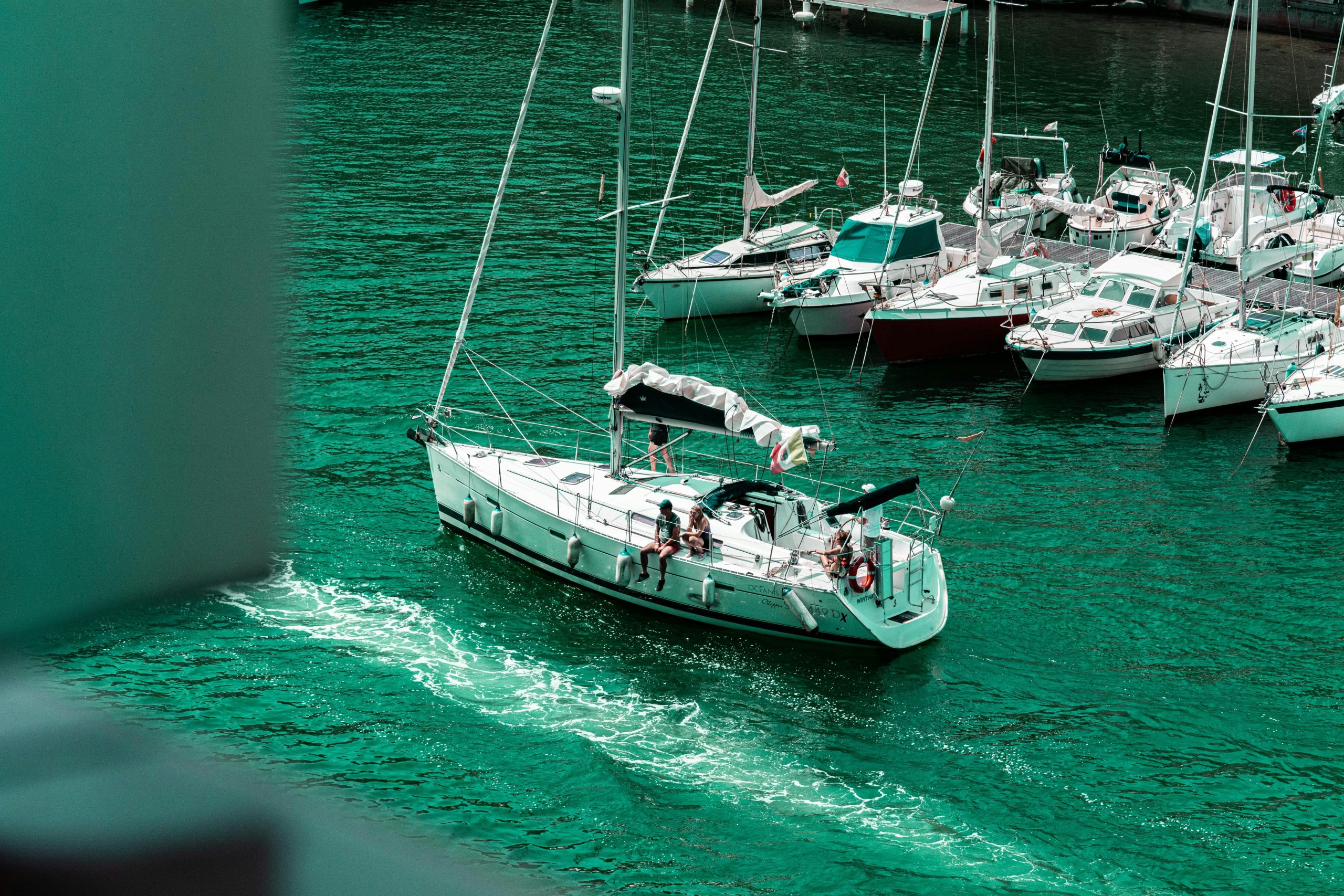
Boating has always offered a sense of freedom and a chance to escape into open waters, fresh air, and the calm rhythm of the marine world. However, with more vessels entering the water each year, the environmental impact of recreational boating is becoming increasingly clear. Fuel spills, noise pollution, discarded waste, and anchor damage can all leave lasting effects on delicate ecosystems. This is why eco-friendly boating practices matter. These simple and practical habits help reduce pollution, protect marine wildlife, and keep waterways clean for future generations. Whether you enjoy sailing, cruising, paddling, or motor boating, choosing greener habits does not require expensive equipment or expert knowledge. It begins with awareness of how your choices influence the environment and continues with small, thoughtful adjustments during every trip. This guide introduces practical steps that any boater can adopt before, during, and after time on the water.
How Eco-Friendly Boating Practices Start with Awareness
Understanding how your actions influence the marine environment is the foundation of effective Eco-Friendly Boating Practices. Before you adjust equipment or explore greener upgrades, you first need to learn how your local waters behave in the United Kingdom, what regulations apply to your area, and how your own boating habits shape environmental impact. Many boat owners begin by asking What are eco-friendly practices? and soon realise that awareness is the stage where every sustainable decision begins. When you understand tides, wildlife patterns, protected zones, waste rules, and your own fuel or cleaning routines, you gain a clear picture of how you can reduce harm and keep waterways healthy for future generations.
Learning Your Local Waters
Marine environments across the United Kingdom vary from the tidal Thames to the rugged coastlines of Wales and Scotland and the protected habitats around the Isles of Scilly. Each area contains fragile ecosystems where careless boating can cause significant disruption. When you adopt Eco-Friendly Boating Practices, you begin with a clear understanding of these local conditions. Studying tide charts, reading notices to mariners, and learning about seagrass beds or bird nesting zones helps you avoid areas where anchor drag or propeller wash can cause damage. The UK Hydrographic Office provides detailed navigation updates that support responsible planning.
Knowing the Regulations That Apply to You
Sustainable boating also relies on understanding the rules designed to protect marine environments. In the United Kingdom, this includes restrictions in Marine Protected Areas, waste disposal rules, and navigation guidelines within Sites of Special Scientific Interest. Following these rules is an essential part of Eco-Friendly Boating Practices because each regulation aims to minimise pollution and protect wildlife. The Maritime and Coastguard Agency offers updated guidance on discharge rules, navigation limits, and vessel responsibilities.
Reflecting on Your Current Habits
Awareness also means taking an honest look at the choices you make on board. This includes checking how often you idle your engine, whether your cleaning products meet environmental standards, and how you manage fresh water and fuel. Small adjustments can significantly enhance sustainability. For example, limiting unnecessary engine use or switching to biodegradable cleaning solutions provides immediate benefits. At this stage, the question What are eco-friendly practices? becomes easier to answer because you clearly see the habits that need improvement. Awareness turns good intentions into responsible actions.
Key Areas of Awareness for UK Boaters
To support your journey toward responsible boating, the table below highlights important areas that reinforce effective Eco-Friendly Boating Practices across the United Kingdom.
| Awareness Area | Why It Matters |
|---|---|
| Protected habitats and wildlife zones | Reduces disturbances to marine birds, seals, and seagrass ecosystems |
| Waste and discharge regulations | Prevents water contamination and protects fish spawning grounds |
| Local navigation updates and tide information | Ensures safe movement and avoids sensitive coastal sites |
When you commit to building awareness, you create the foundation that guides every decision you make on the water. Observing environmental patterns, learning the regulations in your region, and reviewing your own habits allow you to apply Eco-Friendly Boating Practices with confidence and consistency. This mindset protects the delicate marine ecosystems of the United Kingdom and encourages responsible enjoyment of rivers, lakes, and open seas.
Eco-Friendly Boating Practices to Make Your Vessel More Sustainable
Making your vessel more sustainable starts with practical upgrades that reduce environmental impact while keeping your boat safe, reliable, and enjoyable to use. When you apply Eco-Friendly Boating Practices to the structure, equipment, and maintenance of your boat, you support cleaner waterways across the United Kingdom without needing a complete rebuild. By improving hull coatings, refining propulsion efficiency, choosing cleaner maintenance products, and adding simple retrofits, you can quietly but significantly lower your overall footprint. Over time, these changes become part of your normal routine and turn Eco-Friendly Boating Practices into long term habits rather than one off projects.
Are there environmentally friendly boats?
In practice, there is no completely impact free vessel, but you can move very close to that ideal by applying consistent Eco-Friendly Boating Practices. For many owners in the United Kingdom, the journey begins with the hull. Traditional antifouling paints often contain copper and other biocides that leach slowly into coastal waters. Research from UK environmental authorities shows that these substances can accumulate in sediments and affect shellfish and seagrass recovery over time. By switching to non biocidal or low toxicity hull coatings, you maintain a smooth, clean surface without releasing the same level of harmful chemicals. When you combine these coatings with efficient propulsion and careful maintenance, your existing vessel becomes far closer to what most people mean when they talk about environmentally friendly boats.
You can also make design choices that support Eco-Friendly Boating Practices whenever you upgrade equipment. Selecting lighter materials where appropriate, fitting higher efficiency batteries on electric or hybrid systems, and reducing unnecessary weight all help the boat move through the water with less resistance. This not only improves performance but also reduces the energy required for each trip, which is one of the most practical ways to make your boat feel genuinely environmentally friendly in day to day use.
How can boats be more sustainable?
One of the most effective ways to apply Eco-Friendly Boating Practices is to focus on propulsion and energy use. A clean propeller, correct pitch, and a well maintained engine can significantly reduce fuel or electrical consumption. Studies in United Kingdom waters show that poorly maintained propulsion systems waste a substantial share of energy output and produce avoidable emissions. Regular servicing, keeping the propeller free of fouling, and adjusting engine revolutions to an efficient cruising range all help you travel further on less fuel.
You can also increase sustainability by improving how your boat generates and manages power. Simple retrofits such as LED navigation and cabin lights, solar trickle chargers for batteries, and smart charge controllers reduce demand on the engine and shore power. These upgrades are a direct expression of Eco-Friendly Boating Practices because they reduce both emissions and operating costs while keeping your vessel ready for use. When you combine energy efficient hardware with good operating habits, such as planning shorter idle times and shutting down unnecessary devices, your boat becomes more sustainable without sacrificing comfort.
What is the most harmful to the marine environment?
Many boaters immediately think of fuel spills, and those events can certainly be severe, but the most harmful pressures on the marine environment often come from smaller actions that happen frequently. Routine releases of chemicals from hull coatings and cleaning products, combined with chronic noise and wake disturbance, place steady stress on sensitive habitats. Cleaning agents used on deck and within the cabin often wash straight into the water during rinsing. The Royal Yachting Association encourages the use of biodegradable and low toxicity cleaners that meet UK environmental guidelines to reduce this type of contamination.
When you review your own maintenance routine through the lens of Eco-Friendly Boating Practices, you can quickly identify simple changes that remove many of these chronic stressors. Switching to environmentally responsible cleaners, using absorbent pads when refuelling, and choosing quieter, more efficient engines or electric options where feasible all help to reduce the combined impact of your boating activities. By paying attention to these everyday details, you protect local wildlife and preserve the quality of the waters you enjoy.
Hull Coatings That Reduce Environmental Impact
Traditional antifouling paints often contain copper compounds that gradually leach into the water.
According to research by UK marine regulators, these chemicals accumulate in sediments and can affect
shellfish growth and seagrass recovery. A modern alternative is low toxicity or non biocidal coatings that create a smooth surface which prevents fouling without releasing harmful substances. Choosing these coatings is a direct application of Eco-Friendly Boating Practices because they reduce long term pollution while still maintaining hull performance. Many United Kingdom marinas now encourage or require the use of environmentally responsible products that meet British regulatory standards.
Improving Engine and Propeller Efficiency
One of the most important steps in sustainable boating is improving how efficiently your vessel uses
fuel or electrical power. A clean propeller, well maintained engine, and correct pitch selection can
reduce drag and lower consumption. Studies in UK coastal waters have shown that poorly maintained
propulsion systems contribute significantly to unnecessary emissions. Refining propeller or sail trim not only saves resources but also supports broader Eco-Friendly Boating Practices by lowering exhaust output
and minimising disturbance to marine habitats. Many boaters ask What is the most harmful to the marine environment? and often overlook the impact of small inefficiencies that accumulate across frequent journeys.
Eco-Friendly Cleaning and Maintenance Choices
Cleaning products used on deck and below often wash directly into the water, especially during
routine rinsing. Selecting biodegradable soaps and low toxicity cleaners prevents chemical residue
from entering the marine environment. The Royal Yachting Association recommends products that meet
UK environmental guidelines to support responsible maintenance. These choices strengthen your commitment to Eco-Friendly Boating Practices by ensuring that your vessel remains clean without affecting surrounding wildlife. Pairing these products with water saving methods during rinsing further reduces strain on local ecosystems.
Simple Retrofits for Existing Vessels
You can significantly upgrade the sustainability of your boat with a few simple and affordable
retrofits. Installing LED navigation lights, fitting energy efficient batteries, adding solar trickle
chargers, and improving insulation in cabins can all lower your overall environmental footprint.
These adjustments allow you to apply Eco-Friendly Boating Practices even if your
vessel is older or has limited electrical capacity. In the United Kingdom, many boatyards and marinas
now offer retrofit packages that meet modern environmental standards and support long term savings
on fuel and maintenance.
Summary of Sustainable Vessel Improvements
The following table outlines common upgrades that help integrate Eco-Friendly Boating Practices into your vessel:
| Area of Improvement | Environmental Benefit |
|---|---|
| Non biocidal hull coatings | Reduces chemical release into UK coastal waters |
| Efficient propeller and engine tuning | Decreases fuel use and lowers emissions |
| Biodegradable cleaning products | Prevents harmful runoff during maintenance |
When you commit to improving the equipment and structure of your vessel, you turn Eco-Friendly Boating Practices into long term behaviour that benefits the United Kingdom’s rivers, lakes, and coastal environments. Consistent upgrades, responsible product choices, and efficient propulsion methods all contribute to cleaner waterways and a more sustainable boating experience for every passenger on board.
Eco-Friendly Boating Practices to Reduce Pollution at the Source
Reducing pollution at the source is one of the most effective ways to protect the marine environment in the United Kingdom. When you adopt Eco-Friendly Boating Practices, you concentrate on preventing harmful substances from entering the water in the first place. Many of the pollutants released by vessels are the result of everyday routines including fuelling, cleaning, waste handling, and maintenance. By understanding where pollution begins and how it spreads, you can make informed choices that directly protect coastal habitats, rivers, and inland waterways.
What is not environmentally friendly and shouldn’t be discharged from your boat?
A wide range of materials should never enter UK waters because they create long term ecological damage. Oil, fuel, solvents, detergents, and sewage pose some of the most significant risks. Even small quantities of fuel can spread across the surface and block oxygen exchange, which affects fish, marine birds, and invertebrates. The Maritime and Coastguard Agency emphasises that bilge water containing oil must be captured and disposed of properly using marina pump out services to follow Eco-Friendly Boating Practices. Sewage discharge is also restricted in many parts of the United Kingdom, especially near bathing waters and environmentally protected zones, to prevent nutrient overload and bacterial contamination.
Many cleaning products used on deck are also not environmentally friendly. Conventional detergents contain phosphates and surfactants that contribute to algal growth and disrupt aquatic life. Choosing biodegradable, low toxicity cleaners prevents harmful interaction with marine ecosystems. By carefully managing what leaves your boat, you uphold core Eco-Friendly Boating Practices and reduce long term pollution.
Which of the following may never be dumped from a vessel?
In the United Kingdom, plastics must never be dumped from a vessel under any circumstances. Plastic bags, food wrappers, synthetic ropes, fishing lines, and bottles break down slowly, often into microplastics that persist for decades. According to global marine assessments, plastics are among the most enduring pollutants, causing entanglement, ingestion, and habitat disruption for wildlife. Adhering to Eco-Friendly Boating Practices means securing all loose items on board, preventing litter, and returning waste to shore facilities for correct disposal.
You should also never dump metals, glass, treated wood, or any form of packaging. Even food waste can create localised ecological imbalance, especially in enclosed lochs, harbours, and marinas. Following UK waste rules ensures that you protect wildlife and maintain good water quality.
What makes up 80% of all marine pollution?
Research from international marine agencies shows that litter and plastic based debris make up around 80 percent of all marine pollution worldwide. This includes single use packaging, microplastics from cleaning agents, synthetic fibres from clothing, and fragments from ropes and fishing gear. When you examine this statistic through the framework of Eco-Friendly Boating Practices, you see the importance of preventing even the smallest pieces of debris from leaving your boat.
Waste reduction begins with simple steps such as securing bins, reducing single use plastics on board, and ensuring that loose items cannot be blown into the water. Refillable cleaning products and reusable containers help reduce overall waste generation. Good housekeeping on deck combined with responsible storage habits prevents litter from becoming part of the 80 percent of global marine pollution. These behaviours are central to Eco-Friendly Boating Practices and help protect the United Kingdom’s coastal and inland waterways.
Summary of Pollution Sources and Solutions
The table below summarises the main forms of boat related pollution and recommended mitigation actions that reflect strong Eco-Friendly Boating Practices.
| Pollution Type | Environmental Risk |
|---|---|
| Oil and fuel discharge | Harms fish, birds, and reduces oxygen transfer |
| Plastics and litter | Forms 80 percent of global marine pollution |
| Chemical cleaning products | Introduces toxins and surfactants into waterways |
| Sewage discharge | Increases bacteria and nutrient loads |
By understanding the full range of pollution sources and preventing them at the origin, you apply
Eco-Friendly Boating Practices in the most effective way. These habits protect fish, birds, and marine plants while also helping maintain clean and enjoyable waterways across the United Kingdom.
Eco-Friendly Boating Practices to Protect Marine Life
Protecting marine wildlife begins with understanding how your vessel interacts with the environment
around it. When you follow Eco-Friendly Boating Practices, you focus on reducing disturbance to animals, safeguarding fragile habitats, and navigating responsibly through sensitive areas across the United Kingdom. Noise, speed, anchoring, and route choices each influence the behaviour and survival of marine species. By recognising these connections, you can apply clear, practical methods that allow you to enjoy the water while ensuring that local ecosystems remain healthy and resilient.
What are the marine environmental issues?
Marine environmental issues affecting UK waters include underwater noise, habitat loss, declining seagrass meadows, disturbance to marine mammals and birds, and damage from improper anchoring. Underwater noise from engines can interfere with communication and feeding for species such as dolphins, porpoises, and seals. The UK Joint Nature Conservation Committee reports that noise pollution alters migration routes and feeding behaviour in several protected species. When you adopt Eco-Friendly Boating Practices, you lower this impact by reducing unnecessary engine use, planning quieter routes, and maintaining your vessel so it operates with less vibration and noise. Habitat loss also plays a major role, particularly in areas where seagrass meadows are damaged by anchoring or propeller scarring.
These issues require careful adjustment of your boating habits. Choosing mooring buoys where available, keeping to marked channels in protected areas, and maintaining respectful distances from wildlife help you support long term conservation efforts throughout the United Kingdom. When you embed these actions into your routine, Eco-Friendly Boating Practices become part of your normal approach rather than occasional good intentions.
Respectful Speeds and Noise Reduction
High speeds create excessive wake, noise, and vibration that disturb marine mammals, birds, and fish. Slowing your vessel in sensitive areas reduces stress on wildlife and helps protect breeding and feeding zones. Many UK Marine Protected Areas provide recommended speed limits that support safe navigation and environmental protection. Maintaining moderate speeds also reduces our energy consumption, giving you an additional efficiency benefit while following Eco-Friendly Boating Practices.
Seagrass-Friendly Anchoring
Seagrass meadows in the United Kingdom provide essential nursery habitats for fish, stabilise sediments, and store carbon. Unfortunately, they are highly vulnerable to anchor damage. Dragging anchors or anchoring repeatedly in the same location can uproot seagrass patches and disrupt the animals that depend on them. Following Eco-Friendly Boating Practices means anchoring only in sandy or designated anchor areas, using mooring buoys where available, and lifting your anchor gently to avoid scouring the seabed. These habits protect underwater plant life and support wider marine biodiversity.
Maintaining Wildlife-Safe Distances
Many marine animals become stressed when boats approach too closely. Disturbance can cause mothers to separate from young, birds to abandon nests, and mammals to interrupt feeding or resting cycles. The Royal Yachting Association advises keeping a safe distance from seals, seabirds, and cetaceans to prevent disturbance. By maintaining wildlife-safe distances, you show consistent respect for the environment and reinforce the core values of Eco-Friendly Boating Practices.
Avoiding Sensitive Areas
Sensitive marine zones include breeding sites, bird colonies, seal haul out locations, and shallow seagrass beds. These areas are often marked on UK charts and advised in local notices to mariners. Avoiding these areas during critical seasons, such as breeding or pupping periods, reduces stress on wildlife and supports conservation goals. When you plan your route carefully and navigate away from fragile habitats, you practise Eco-Friendly Boating Practices in one of the most effective ways possible.
Summary of Marine Wildlife Protection Guidelines
The table below summarises the key actions you can take to protect marine life while practising
strong Eco-Friendly Boating Practices in the United Kingdom.
| Protection Practice | Environmental Benefit |
|---|---|
| Reduce speed in sensitive areas | Minimises noise and wake disturbance |
| Anchor away from seagrass meadows | Prevents habitat damage and plant loss |
| Maintain wildlife-safe distances | Reduces stress and protects breeding behaviour |
| Avoid sensitive breeding and feeding zones | Supports long term conservation of marine species |
When you apply these actions consistently, you strengthen your commitment to Eco-Friendly Boating Practices and help protect the diverse marine life that depends on healthy, undisturbed habitats across the United Kingdom.
How to Apply Eco-Friendly Boating Practices on Every Voyage
Applying Eco-Friendly Boating Practices on every voyage requires a consistent checklist that prepares your vessel, your route, and your crew for a responsible trip on United Kingdom waters. When each step becomes part of your normal routine, you protect marine life, reduce pollution, and navigate safely through sensitive environments. A repeatable process also helps you stay compliant with UK environmental guidelines while ensuring that your time on the water remains enjoyable and sustainable. The following guidance brings together the core principles of noise reduction, pollution prevention, responsible anchoring, and wildlife awareness so that you can take meaningful action every time you leave the dock.
Pre-Voyage Checklist for Responsible Navigation
Before you depart, conduct a thorough vessel inspection to ensure your engine, propeller, and fuel systems are operating efficiently. A clean propeller reduces drag and fuel consumption, reinforcing essential Eco-Friendly Boating Practices. You should also check for leaks, secure all waste containers, and confirm that biodegradable cleaning products are stored on board. Reviewing weather and tide conditions helps you select the safest and most environmentally considerate route. The UK Hydrographic Office provides updated charts and information that support informed decision making.
Make sure you understand any Marine Protected Areas along your planned route. These zones often have speed recommendations, distance rules, or anchoring restrictions that protect sensitive habitats. By preparing in advance, you avoid actions that may disturb wildlife or damage seagrass beds.
On-Water Actions That Support Sustainability
Once on the water, maintain moderate speeds in sensitive locations to reduce noise and wake. This supports Eco-Friendly Boating Practices by minimising disturbance to seals, birds, and cetaceans. The Royal Yachting Association advises maintaining safe distances from wildlife to prevent stress or changes in natural behaviour. Choosing established channels also keeps your vessel away from shallow habitats where propeller wash can disturb sediments or damage plant life.
When anchoring, choose sandy or designated anchor zones whenever possible. Avoiding seagrass meadows
protects essential habitats that support juvenile fish and stabilise sediment. If you must anchor near sensitive environments, lower and raise your anchor slowly to prevent scarring the seabed. You should also secure all loose items on deck to prevent litter from entering the water.
Post-Voyage Practices for Long-Term Sustainability
After returning to shore, complete a post voyage review to reinforce consistent Eco-Friendly Boating Practices. Dispose of waste and recycling properly, using marina facilities to prevent pollutants from entering waterways. Inspect your hull for signs of fouling or damage, and schedule regular maintenance to keep your engine efficient. Cleaning the boat with low toxicity products reduces chemical runoff and protects surrounding waters. Reviewing your trip also helps you identify areas where you can adopt even cleaner habits next time.
Summary of Eco-Friendly Trip Actions
The table below outlines essential tasks that support Eco-Friendly Boating Practices before, during, and after each voyage in the United Kingdom.
| Voyage Stage | Eco-Friendly Action |
|---|---|
| Pre-Voyage | Check propulsion efficiency, inspect for leaks, review protected areas |
| On the Water | Maintain moderate speeds, avoid wildlife, follow marked channels |
| Anchoring | Anchor in sandy zones and avoid seagrass meadows |
| Post-Voyage | Dispose of waste correctly and clean using low-toxicity products |
By following this repeatable checklist, you embed Eco-Friendly Boating Practices into every stage of your journey. These consistent habits protect wildlife, reduce pollution, and help maintain the natural beauty of United Kingdom waters for all who depend on them.
Conclusion
Eco-Friendly Boating Practices provide a clear and practical path for protecting the waters, wildlife, and coastal habitats that make every voyage meaningful. When you take consistent action at each stage of your trip, you reduce pollution, minimise disturbance, and support the long term health of marine ecosystems across the United Kingdom. From choosing responsible speeds and avoiding sensitive areas to selecting low toxicity cleaning products and securing waste on board, every decision contributes to cleaner and safer waters.
These practices are not difficult to adopt. They become natural habits once you understand how your vessel interacts with the environment around it. Planning your route carefully, maintaining efficient propulsion, using respectful anchoring techniques, and following wildlife safe distances all allow you to enjoy the sea while acting as a guardian of its beauty. Small improvements made over time lead to meaningful change, both for the places you visit and the species that rely on healthy marine conditions.
By applying Eco-Friendly Boating Practices regularly, you help preserve the unique coastal and inland waterways of the United Kingdom for future generations. Every responsible voyage strengthens conservation efforts and keeps the joy of boating alive for years to come.
Frequently Asked Questions (FAQs):
🏝️What are Eco-Friendly Boating Practices?
Eco-Friendly Boating Practices are sustainable habits and guidelines that reduce pollution, protect marine life, and minimise the environmental impact of boating. They include responsible speed management, proper waste handling,
seagrass friendly anchoring, and choosing low toxicity cleaning products that are safer for rivers and coastal waters
in the United Kingdom.
🏝️How can I reduce my boat’s environmental impact in the United Kingdom?
You can reduce your environmental impact by maintaining an efficient engine and propeller, using biodegradable cleaners, avoiding sensitive habitats such as seagrass meadows, reducing noise in marine protected areas, and securing all waste on board until you return to shore. Following these steps helps you put Eco-Friendly Boating Practices into action on every trip.
🏝️Why is anchoring carefully important for marine wildlife?
Anchoring in the wrong place can damage seagrass meadows and disturb habitats used by fish, seahorses, and many other species. Choosing sandy bottoms, using mooring buoys where available, and lifting the anchor gently all help you follow Eco-Friendly Boating Practices while protecting important nursery areas and feeding grounds.
🏝️What should never be discharged from a boat?
You should never discharge plastics, oil, fuel, sewage, or chemical cleaning products into the water. These substances harm marine animals, degrade habitats, and breach United Kingdom marine protection rules. Eco-Friendly Boating Practices require you to store these materials safely on board and dispose of them through shore facilities.
🏝️Do slower speeds help marine life?
Yes. Slower speeds reduce underwater noise, limit wake disturbance, and lower the risk of collisions with wildlife. Travelling gently through sensitive areas helps dolphins, seals, seabirds, and fish continue natural behaviour with less stress. It also improves fuel efficiency, which supports Eco-Friendly Boating Practices and reduces emissions.
References
- Department for Environment, Food & Rural Affairs. (2025). Marine Strategy Part Three: 2025 UK programme of measures. Available at https://www.gov.uk/government/publications/marine-strategy-part-three-2025-uk-programme-of-measures
- Marine Conservation Society. (2024, February 22). Plastic pollution: The importance of cleaning up rivers. Available at https://www.mcsuk.org/news/importance-of-cleaning-rivers/
- Royal Yachting Association. (2024–2025). Environment and sustainability: Sustainable boating advice for clubs and boaters. Available at https://www.rya.org.uk/environment-and-sustainability/
- The Green Blue. (2024, September 19). The Green Blue announces launch of 2024–25 University Sailing Sustainability Challenge. Available at https://thegreenblue.org.uk/launch-of-university-sailing-sustainability-challenge-2024-25/
- Marine Conservation Society. (2025). Source to Sea Litter Quest: Tracking litter from rivers to the ocean.
Available at https://www.mcsuk.org/what-you-can-do/citizen-science/source-to-sea/
- The Green Blue. (n.d.). Anchoring and mooring with care: Protecting seabed habitats. Available at https://thegreenblue.org.uk/you-and-your-boat/info-and-advice/wildlife-habitat-protection/anchoring-and-mooring-with-care/
- Marine Management Organisation. (n.d.). Marine protected areas and guidance for marine users. Available at
https://www.gov.uk/government/organisations/marine-management-organisation
Electric Boat Maintenance for Beginners: The Complete 2026 Guide
Comments are closed