
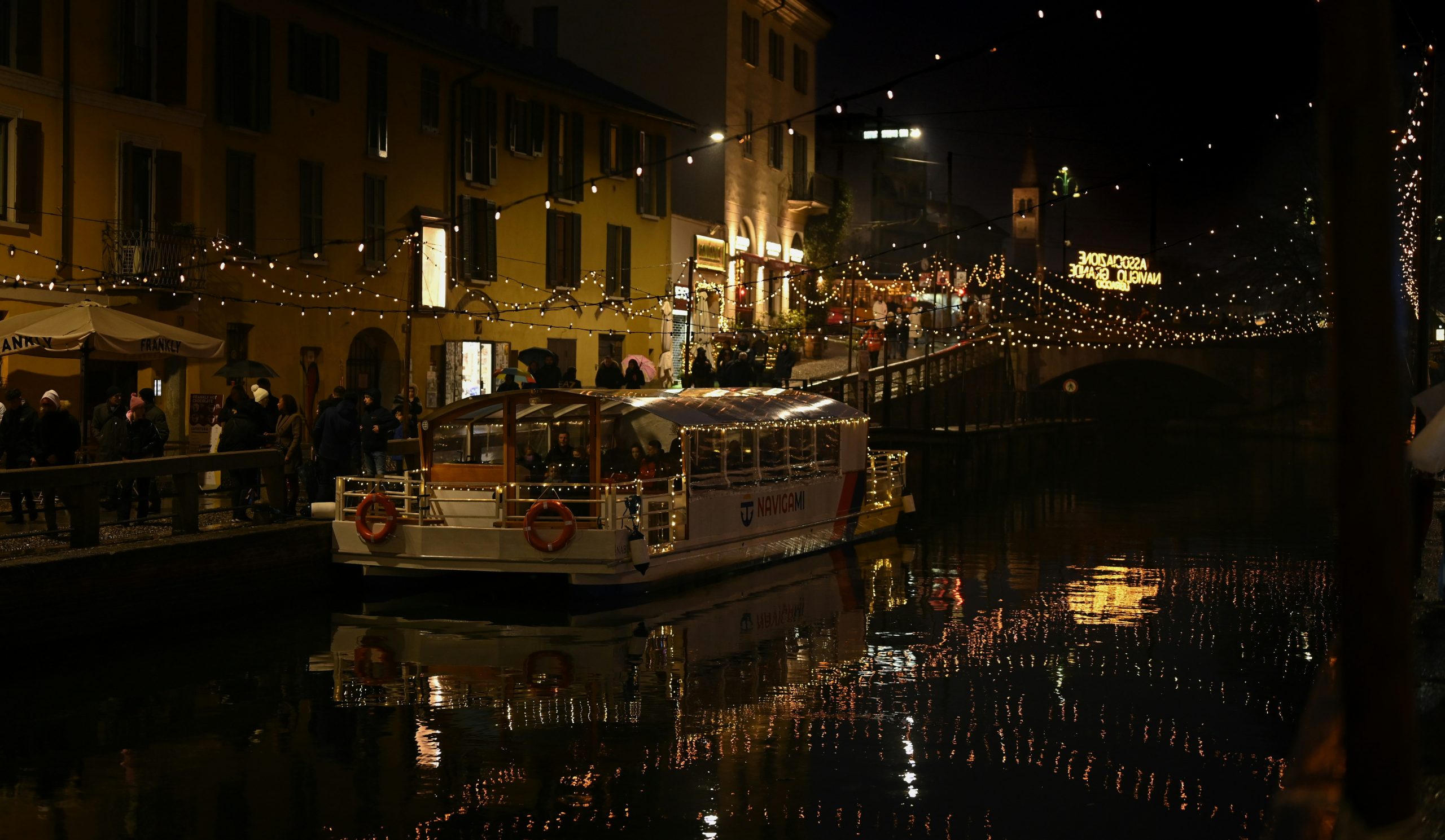
Sailing at night feels completely different from a sunny afternoon on the water. The sea grows quieter, lights shimmer on the horizon, and every sound from your boat suddenly matters more. For many beginners, sailing at night looks mysterious, even a little intimidating, but it can also be one of the most rewarding ways to explore the water. With the right preparation, night sailing helps you avoid daytime heat and crowds, practise sharper navigation skills, and enjoy calmer conditions. This guide will walk you through what to expect when you first sail at night, from basic safety checks and rules to choosing the best time to leave the dock. You will learn how to read navigation lights, plan simple routes, and keep everyone relaxed and alert so your first sailing at night experience feels safe, confident, and unforgettable. By the end, night sailing will feel entirely natural instead of nerve-racking.
What Makes Sailing at Night Different for Beginners

When you first consider sailing at night in the United Kingdom, it can feel like stepping into a completely different world from your usual afternoon trips. The sea looks darker and flatter, familiar headlands disappear into shadow, and every light you see suddenly matters. Sailing at night changes how you see, steer, and make decisions, so everything is slower, quieter, and more focused than daytime sailing. As a beginner, you quickly realise that sailing at night is not just daytime sailing with the sun switched off. It changes how you plan, how you move around the deck, and how you communicate with the rest of your crew.
Because sailing at night reduces what you can see, you start to rely far more on your instruments, your charts, and your senses. You listen carefully to the wind and waves, you check the compass more often, and you stay alert to the glow of harbour lights or navigation marks along the UK coastline. This extra focus can feel intense at first, but it also makes sailing at night an excellent way to build good habits that will help you in every other part of your sailing journey.
How Your Senses Change When You Are Sailing at Night
During the day, you mainly rely on your eyes. At night, your vision takes longer to adjust, colours fade, and depth becomes harder to judge. That is why sailing at night teaches you to protect your night vision by avoiding bright white torches and checking screens on lower brightness. You learn to scan slowly rather than stare, and you start to notice sounds and movement that you might ignore in daylight. Many beginners find that sailing at night actually feels calmer once they settle, because you are forced to slow down and absorb information more carefully.
Another difference is the way other boats appear. When you are sailing at night, you often see navigation lights long before you see the hull or sails. You learn to read the patterns of red, green, and white to work out whether a vessel is moving towards you or away from you, and who has right of way under the Collision Regulations. This skill can feel confusing when you first sail at night, but practising it in sheltered UK waters helps you gain confidence quickly.
Boat Handling and Speed While Sailing at Night
Most skippers choose a more cautious pace when sailing at night. Reduced visibility means you have less time to react to pots, buoys, or unlit obstacles, so keeping your speed sensible gives you a bigger safety margin. As a crew member, you will notice that manoeuvres such as tacking, gybing, or reefing are planned earlier and talked through more clearly. Clear communication is one of the biggest differences you will feel when sailing at night, because everyone needs to understand what happens next before anyone moves.
Deck layout also feels different once you sail at night. Simple tasks such as going forward to adjust a line can take longer, because you move more carefully, keep three points of contact, and double-check that your lifejacket and harness are clipped on correctly. Many UK sailors prefer to keep the cockpit and side decks tidy at all times when sailing at night, so there are no loose ropes to trip over in the dark.
Mental Focus and Fatigue During Night Sailing
Perhaps the biggest change is mental. Sailing at night demands more focus, especially in busy areas such as the Solent, the Bristol Channel, or the approaches to major UK ports. You may feel more tired, simply because your brain works harder to process limited visual information. For beginners, it helps to break the time into short watches, drink enough water, and eat small, regular snacks to keep your energy steady. When you sail at night with an experienced skipper, you will also see how they manage their own concentration by sharing tasks, rotating lookouts, and planning rest breaks.
At the same time, sailing at night can be surprisingly peaceful. With fewer leisure boats on the water, you often enjoy quieter seas and a stronger sense of space. Many people discover that their favourite memories come from sailing at night along the UK coast, watching the stars between the clouds or seeing a lighthouse sweep across the horizon. Once you have experienced this, the idea of night sailing becomes less intimidating and more like a natural extension of your normal cruising plans.
Comparing Daytime Sailing and Sailing at Night
To understand why your approach needs to change, it helps to compare daytime sailing and sailing at night side by side. The table below highlights the key differences most beginners notice in UK coastal waters.
| Aspect | Daytime sailing | Sailing at night |
|---|---|---|
| Visibility | Good visual range, easy to spot land, marks, and traffic. | Limited visual range, heavier reliance on lights and instruments. |
| Traffic levels | More leisure craft and training vessels on the water. | Fewer small boats, but commercial traffic remains active. |
| Crew workload | More relaxed pace, frequent visual checks. | Higher concentration, structured watches, and clear briefings. |
| Weather perception | Easier to see approaching weather and sea state. | Greater reliance on forecasts, radar, and horizon scanning. |
Overview based on guidance from the Royal Yachting Association and UK Maritime and Coastguard Agency safety advice.
As you can see, sailing at night is not something to fear, but it does deserve respect. By understanding how your senses, boat handling, and mental focus all change after dark, you give yourself the best chance of enjoying your first experiences of sailing at night around the UK safely.
Night Sailing Basics: Are You Allowed to Go Sailing at Night?
Many new skippers in the UK quietly wonder, “Are you allowed to go boating at night?” The short answer is usually yes. For most privately owned pleasure boats, sailing at night is allowed as long as you follow the Collision Regulations, display the correct navigation lights, and keep a proper lookout. Most places allow night sailing as long as your boat displays the correct navigation lights and follows standard nighttime safety rules. When you understand the basic legal framework and local byelaws, sailing at night becomes a normal, well-managed part of your cruising rather than something mysterious or risky.
Understanding the Rules for Sailing at Night in UK Waters
In UK coastal waters, the key rules for sailing at night come from the International Regulations for Preventing Collisions at Sea (COLREGs), which apply to all vessels at sea, including pleasure craft. These regulations set out your obligations to maintain a lookout, proceed at a safe speed, avoid collisions, and show the correct lights between sunset and sunrise. They are enforced in the UK by the Maritime and Coastguard Agency (MCA). You can read practical guidance for pleasure vessels on the UK government website and in MCA Marine Guidance Notes, which explain how the Merchant Shipping Regulations and COLREGs apply to you as a leisure sailor.
The Royal Yachting Association (RYA) provides accessible explanations of navigation lights, passage planning and safety advice for sailing at night, making it easier for you to see which rules apply to different boat sizes and setups. If you complete an RYA course that includes night hours, you will practise sailing at night under instruction, which is one of the safest ways to build your confidence.
Where Sailing at Night May Be Restricted
Although sailing at night is generally permitted, specific areas can have local restrictions. Harbour authorities, marinas and navigation authorities for inland waterways may set rules about when small craft may enter or leave, especially where commercial shipping or strong tides make sailing at night more complex. On some rivers and lakes, powered craft might be restricted after dark, while sailing dinghies and paddle craft could face separate rules.
Before you plan any sailing at night in the UK, check:
- Your harbour or marina regulations and local notices to mariners.
- Byelaws for inland waterways managed by organisations such as the Canal & River Trust or Environment Agency.
- Navigation warnings and temporary exclusion zones around major ports or construction areas.
These documents usually confirm that sailing at night is allowed, but they might require you to use specific channels, call the harbour control by VHF, or avoid certain times when large ships are manoeuvring.[Pleasure craft regulations]
Navigation Lights and Safety Equipment for Sailing at Night
The most visible difference when you are sailing at night is the requirement to show the correct navigation lights. COLREGs specify exactly which lights must be displayed for sailing vessels and power-driven vessels, how bright they must be and over which arcs they must be seen.[Navigation lights rules] Depending on the length of your boat and whether you are under sail or engine, you might need a combination of red and green sidelights, a stern light, and one or more masthead lights.
Because other skippers rely on these lights to judge your heading and status, keeping them in good working order is a core part of safe sailing at night. Many UK sailors now use LED lights to reduce power consumption and improve reliability, but you should still carry spare bulbs or backup lights. Alongside lights, common safety equipment for sailing at night includes lifejackets for every person on board, safety lines and jackstays for moving around the deck, a powerful torch, and, ideally, AIS or radar reflectors so that commercial traffic can detect you more easily.
Using Good Judgement When You Sail at Night
Even if the rules say that sailing at night is permitted, you still need to apply your own good judgement. Ask yourself not only “Is it legal?” but “Is it sensible tonight?” Check the weather forecast, visibility and tidal stream. If strong winds, poor visibility or heavy shipping traffic are expected, it may be wiser to postpone sailing at night until conditions are calmer. For your first few trips, choose short, simple routes with familiar landmarks and plenty of room offshore.
It is also important to think about crew experience and fatigue. Long passages involving sailing at night should be planned with a simple watch system so that someone is always awake, clipped on, and actively keeping a lookout. Avoid alcohol before and during sailing at night, keep everyone warm and well fed, and discuss what to do if anyone feels unsafe or overwhelmed. Clear communication makes sailing at night feel controlled rather than stressful.
| Location type (UK) | Is sailing at night usually allowed? | Who sets detailed rules? |
|---|---|---|
| Coastal waters and open sea | Yes, if COLREGs and Merchant Shipping Regulations are followed. | Maritime and Coastguard Agency, Harbour Authorities. |
| Harbours and busy commercial ports | Often allowed, but with strict traffic separation and reporting rules. | Local Harbour Master and port byelaws. |
| Inland rivers, canals and lakes | Sometimes restricted; check for local “no navigation after dark” rules. | Navigation authorities such as the Environment Agency or Canal & River Trust. |
So, when you next ask yourself, “Are you allowed to go boating at night?”, the answer will usually be yes—provided you follow the rules, prepare your boat properly and use common sense. With a little planning and respect for the regulations, sailing at night around the UK can be both safe and deeply rewarding, opening up quieter passages, cooler summer evenings and a completely different perspective on familiar waters.
Beginner Checklist: How to Prepare Before Sailing at Night
When you are getting ready for your first experience of sailing at night in UK waters, it can be hard to know where to start. Preparation means checking lights, studying your route, dressing warmly, assigning simple roles, and making sure your cabin and cockpit stay organised. Instead of standing on the pontoon wondering, “What do you do at night while sailing?” you can walk through a clear beginner checklist that you repeat every time. With a little structure, sailing at night feels less like a risky experiment and more like a calm extension of your normal cruising.
Set Your Plan Before You Leave the Berth
Before you cast off, decide exactly what kind of passage you are attempting. For a first night trip, it is wiser to choose a short hop between familiar UK harbours rather than a long cross-Channel adventure. Pick a route you already know from daytime sailing, then repeat it after dark so you only have one new variable to manage. Write your plan down: departure time, waypoints, estimated times of arrival, clearing distances from headlands, and safe bolt-holes if you need to stop early.
This planning step forces you to think about what the boat, the crew and you personally will need when you are sailing at night. You are less likely to be surprised by strong tides, unlit marks or commercial traffic if you have already studied the chart, the pilot book and the latest notices to mariners. A simple, written plan also makes it easier to brief everyone else on board so they understand what will happen and when.
Check Your Boat, Lights and Safety Gear
Technical checks sit at the heart of every good checklist for sailing at night. Start with navigation lights: confirm that sidelights, stern light and any masthead or tricolour lights work correctly, show the right colours and can be seen from the required angles. Clean any salt or grime from the lenses and check for chafed wires or loose fittings. Many UK skippers choose LED lights for reliability and lower power draw, but they still carry a backup all-round light or portable unit in case of failure.
Next, walk through your safety equipment. Make sure each person has a properly fitted lifejacket, check the gas cylinder and firing head, and confirm that crotch straps and lights are in place. Rig jackstays along both side decks so crew can clip on before moving forward. Test your fixed VHF, ensure the handheld is charged, and check that your GPS, plotter and depth sounder are all working as expected. These simple checks greatly reduce stress once darkness falls, because you know the boat is ready.
Look After Warmth, Food and Crew Energy
Comfort is a major factor in safe sailing at night. Temperatures usually fall after sunset, and a fresh breeze over cool water can make even a mild evening feel cold. Ask everyone to wear layered clothing, a windproof and waterproof outer shell, and a hat. Keep a spare warm layer and dry socks ready in case anyone gets damp. Hot drinks, soup and simple snacks such as nuts, chocolate or sandwiches help maintain energy and morale through the small hours.
Fatigue affects judgement, reaction time and mood. For anything more than a very short passage, set up a simple watch system so no one stays on deck for too long without a break. Encourage short rests down below, even if people do not fully sleep. When crew feel that their comfort and rest are taken seriously, they are far more likely to stay alert and positive throughout the night.
Organise Your Cockpit and Cabin
Good housekeeping makes a bigger difference than many beginners expect when they are sailing at night. In the cockpit, coil and stow lines so they cannot snag around ankles, winches or the helm. Remove unnecessary clutter, such as spare fenders or loose covers, and secure anything that might slide. Down below, stow mugs, pans and bags so they do not crash around as the boat moves. A tidy boat is safer to move around in and makes it easier to find what you need quickly.
Light discipline is part of this organisation. Try to limit bright white lights in the cabin, especially near the companionway, so that people going in and out do not lose their night vision. Many skippers use dimmed red lights or headtorches with a red setting, which allow you to read charts and logbook entries without dazzling the lookout. Keeping the layout simple and consistent means that, even in the dark, everyone knows where essential items live.
Make a Simple Watch and Communication Plan
Clear roles and communication keep things calm while you are sailing at night. Before leaving the berth, agree who will take the first watch, who will helm, who will act as lookout and who will monitor instruments and log. Decide how often you will change roles—every hour or two is usually enough for short coastal passages. Make sure at least two people are awake whenever you are underway, so that no one is left alone on deck.
Agree basic communication rules as well. For example, you might decide that any change in wind strength, visibility, traffic or sea state is reported immediately to the skipper, even if it seems minor. Encourage questions; if someone is unsure what a light, sound or shape means, they should say so. A brief, calm discussion is always better than silence followed by a last-minute panic.
| Checklist area | Key task before night departure | Why it matters for beginners |
|---|---|---|
| Passage plan | Choose a short, familiar route and write it down. | Reduces surprises and keeps navigation simple in the dark. |
| Lights and safety | Test navigation lights, VHF, lifejackets and jackstays. | Ensures you are visible, compliant with rules and properly secured. |
| Crew comfort | Prepare warm clothing, snacks and a basic watch rota. | Helps everyone stay alert, motivated and able to concentrate. |
| Boat organisation | Stow loose gear, manage lighting and clear trip hazards. | Makes moving around the boat safer and more efficient at night. |
Make a Final Go/No-Go Decision
Just before you cast off, pause and quickly review your plan, the weather and the mood on board. If the wind has strengthened beyond your comfort level, visibility has dropped, or someone feels unwell or anxious, choosing not to leave is a sign of good seamanship. There will always be another chance to try sailing at night in better conditions.
When everything aligns—forecast, tide, boat readiness and crew confidence, your checklist gives you a strong foundation. You know where you are going, you know your equipment works and you know everyone understands their role. That is the moment when sailing at night changes from a vague worry into a controlled, memorable experience. The more carefully you prepare, the more you can relax and enjoy the quiet, the lights along the coast and the sense of achievement that comes with your first successful night passage.
What Time of Day Is Best to Sail? How Night Sailing Fits In
If you ever find yourself asking, “What time of day is best to sail?”, you are really weighing up comfort, learning goals and safety. Early morning and late afternoon often give you gentle breezes, calmer seas and flattering light around the UK coast, which is ideal when you are still building confidence. By comparison, sailing at night brings cooler air, quieter waters and a more intense focus on navigation lights and instruments. Understanding how these different windows feel helps you decide when to stay with easy daytime trips and when to add carefully planned sailing at night to your cruising routine.
How Conditions Shift from Dawn to Dark
In many UK sailing areas, the wind is lighter around sunrise and then tends to increase through late morning and afternoon, especially on warm days when a sea breeze develops.[Met Office wind patterns] If you want maximum comfort, heading out early can give you flatter water and plenty of time to be back before the breeze stiffens. As the day goes on, stronger winds and more chop offer great practice for experienced crews but can feel demanding for beginners.
Tide timing is just as important as the clock when you plan the best time to sail. Along the UK coastline, planning to ride a fair tide makes passages quicker and more relaxed, whether you are cruising in sunshine or sailing at night. For your first few dark-hours passages, it usually makes sense to choose departure times that give you helpful streams in open water and keep complex headlands or narrow entrances for daylight. The Royal Yachting Association (RYA) highlights the value of combining forecasts, tidal data and daylight when planning any passage that could involve sailing at night.
Daylight Hours: The Best Time to Learn the Basics
For new skippers, daylight is usually the best environment to learn the foundations that will later support safe sailing at night. From mid-morning to late afternoon you can clearly see buoys, headlands and other boats, so you can focus on trimming sails, steering a steady course and reading the waves. You spot gusts and squalls well in advance, watch how clouds evolve, and see lobster pots or floating debris before they become problems. All of this builds pattern recognition that you will lean on when sailing at night, where you cannot rely on your eyes alone.
Day trips also make it easy to finish in a positive frame of mind. You can plan to be tied up in a UK marina, or secure on a mooring, by late afternoon, debrief with your crew, and note what went well. Once those routines feel smooth, you can start to stretch a familiar route into the evening, using the last light of the day as a gentle stepping stone towards your first short spell of sailing at night on the same stretch of coast.
Where Sailing at Night Adds Value
When you are ready, introducing sailing at night does not mean abandoning daytime comfort; instead, it lets you use time and tide more flexibly. Many UK skippers choose to leave in late afternoon, enjoy a few relaxed hours of daylight, and then continue for a short, well-planned leg after dusk. That approach lets you practise switching on navigation lights, adjusting instrument brightness and protecting your night vision while still close to harbours you know.
With experience, sailing at night can help you avoid crowded daytime channels, line up favourable tides and arrive at your destination at a civilised hour. For example, you might slip lines in the evening from a South Coast port, ride the tide along the Channel, and arrive in a neighbouring harbour before sunrise. The UK Maritime and Coastguard Agency reminds small-craft skippers to think carefully about watch-keeping, fatigue and realistic arrival times whenever a passage involves darkness.[MCA safety guidance]
| Time of day | Typical conditions (UK leisure sailing) | Often best for |
|---|---|---|
| Early morning | Lighter winds, calmer seas, good visibility. | Beginner practice and relaxed coastal day-sails. |
| Midday to afternoon | Stronger breezes, livelier chop, more traffic. | Confident crews practising boat handling and performance. |
| Evening and night | Cooler temperatures, fewer leisure boats, focus on lights and instruments. | Trained crews who plan carefully and enjoy sailing at night. |
Choosing the Right Window for Your Next Passage
As your skills grow, your personal answer to “What time of day is best to sail?” will change. Early on, you may favour short morning or afternoon trips in settled weather. Later, you might deliberately plan some sailing at night so that you can leave or arrive with the tide, avoid peak traffic, or simply experience the quiet of a starlit passage. The key is to match the time of day to the crew, the forecast and the route, rather than chasing one “perfect” clock time.
Over time you are likely to discover that dawn departures, sunny afternoon sails and carefully prepared sailing at night passages each have their place. By understanding the strengths and limits of every window, you can design cruising plans that feel achievable and safe for your current level—while slowly expanding your comfort zone with more sailing at night along the UK coast.
What Are the Rules for Boating at Night? (Lights, Speed, and Right-of-Way)
When you first consider sailing at night, it is natural to ask yourself, “What are the rules for boating at night?” In UK waters, the main expectations are simple: you must show the correct navigation lights, travel at a safe speed for the conditions, keep a proper lookout and follow the collision-avoidance rules. These points are drawn from the International Regulations for Preventing Collisions at Sea (COLREGs) and related UK legislation, which apply to leisure craft just as they do to commercial ships.
Navigation Lights: Being Seen Clearly After Dark
From sunset to sunrise, every vessel must display the correct navigation lights so that other skippers can understand what they are looking at. COLREGs describe in detail which lights apply to different vessel types and lengths, and the Maritime and Coastguard Agency (MCA) enforces those rules in UK waters. For a typical cruising yacht under sail, this usually means red and green sidelights and a white stern light, with options such as a masthead tricolour depending on your length and installation.
Before any trip that includes sailing at night, you should test each light, clean the lenses and check for loose fittings or damaged wiring. Many owners now use LED fittings for better reliability and lower power consumption, but it is still wise to carry a portable all-round light or other backup. If any of your required lights fail, you may be technically in breach of the rules as well as harder for other vessels to see.
Safe Speed and Continuous Lookout
COLREGs Rule 6 requires every vessel to proceed at a safe speed, taking into account visibility, traffic density, manoeuvrability, background lighting and the state of wind, sea and tide. At night, these factors often push you towards a more cautious pace. Bright shore lights can hide small craft, unlit buoys may be hard to spot and rain or haze can reduce how far ahead you can see. Slowing down gives you more time to react.
A proper lookout is just as important. Someone on board must always be watching ahead and around the boat, using sight, hearing and any instruments you have available, such as radar or AIS. This is why many UK skippers use a simple watch system whenever darkness is involved: it keeps at least one alert person on deck at all times and helps avoid fatigue during longer passages that involve sailing at night.
Right-of-Way and Reading Light Patterns
Right-of-way rules do not change after sunset, but applying them feels different when you can only see other vessels’ lights. Instead of hull shape or sail plan, you read colour, position and movement. A combination of red sidelight and a masthead light usually means you are seeing the port side of a power-driven vessel, while green and a masthead light indicate the starboard side. A sailing vessel under sail alone shows red and green sidelights with a stern light; a vessel at anchor displays an all-round white light.
The core idea is that both skippers use these clues, along with relative bearing and distance, to judge who should give way. Even if you are the “stand-on” vessel, COLREGs still expect you to act in good time if another boat is not taking effective action to avoid a collision. The Royal Yachting Association (RYA) offers diagrams and training scenarios that make it easier to practise recognising these patterns before you handle complex encounters for real.
| Rule area | Key legal expectation at night (UK / COLREGs) | Practical meaning on a small yacht |
|---|---|---|
| Navigation lights | Show correct lights from sunset to sunrise, visible at defined ranges and angles. | Test and clean lights before departure; carry a backup if a fitting fails underway. |
| Safe speed | Travel slowly enough to stop or turn in time to avoid collision. | Reduce speed in poor visibility, confined waters or heavy traffic. |
| Lookout | Maintain a continuous lookout using sight, hearing and instruments. | Run a watch system so someone is always scanning ahead and around the boat. |
| Right-of-way | Apply stand-on and give-way rules consistently, day and night. | Interpret light patterns calmly and act early if another vessel’s intentions are unclear. |
Putting the Rules into Practice on a Night Passage
On a real passage, you bring all of this together long before you reach open water. You turn on and check your navigation lights at the berth, confirm that everyone understands their role on watch and talk through how you will react if a ferry, fishing boat or fast motor cruiser appears on the horizon. By the time you reach harbour limits, the question “What are the rules for boating at night?” should feel less abstract and more like a clear, shared plan.
With that structure in place, sailing at night around the UK becomes much more approachable. You are not relying on guesswork; you are following a set of well-understood rules designed to keep every vessel safe. The more often you apply them calmly and consistently, the more confident you and your crew will feel each time the sun goes down and the lights along the coast begin to guide you home.
Conclusion
Sailing at night can look intimidating at first, but by now you can see it’s really an extension of the same good habits you use in daylight: clear planning, tidy decks, good communication, and respect for the rules of the road. When you understand how conditions change after dark, what time of day is best to sail for your crew, and how to prepare a simple checklist, night passages stop feeling mysterious and start feeling manageable.
Instead of asking “Is it even allowed?” or “What are the rules for boating at night?”, you know where to look for answers, how to check your navigation lights, and how to keep a proper lookout in busy UK waters. You also know that you don’t have to jump straight into a long offshore passage. You can build confidence step by step: first by repeating familiar routes, then by adding short, well-planned stretches of sailing at night.
Handled this way, sailing at night becomes one more tool in your cruising toolbox. It lets you use tides more smartly, avoid daytime crowds, and experience quiet, starlit waters that most people never see, without ever losing sight of safety, seamanship, and enjoyment.
Frequently Asked Questions (FAQs):
⚓Is it legal to go sailing at night in the UK?
Yes, it is generally legal to go sailing at night in UK coastal waters, as long as you follow the COLREGs collision-avoidance rules, show the correct navigation lights from sunset to sunrise, and comply with any local harbour or waterway byelaws.
⚓What do you do at night while sailing to stay safe?
You keep a proper lookout at all times, use your navigation lights, monitor AIS or radar if fitted, reduce speed in busy or confined areas, and follow a simple watch system so at least one alert person is always on deck.
⚓How should a beginner prepare for their first time sailing at night?
Choose a short, familiar route, check all navigation lights and safety gear, brief your crew on roles and communication, organise the cockpit to avoid trip hazards, and plan your passage around suitable tides and a stable weather window.
⚓What lights must a small sailing yacht show at night?
A typical sailing yacht under sail shows red and green sidelights plus a white stern light. Some yachts also use a masthead tricolour when under sail only. If you are using the engine, the boat is treated as power-driven and must show appropriate masthead lights.
⚓Is sailing at night only for experienced skippers?
Long offshore night passages are best left to experienced skippers, but beginners can safely gain experience by starting with short, well-planned evening or twilight trips on routes they already know, ideally under the guidance of a more experienced sailor or instructor.
References:
- NauticEd Sailing Blog. (2025, June 25). Night Sailing Tips from an Experienced Delivery Captain. Retrieved from
https://sailing-blog.nauticed.org/sailing-at-night-sailing-tips/
- Safe Skipper. (2024). Sailing Safely at Night – Best Practice. Retrieved from
- Anclademia. (2024, November 13). Tips for sailing at night. Retrieved from
https://anclademia.com/en/blog/tips-for-sailing-at-night/
- Sailing Britican. (2023, August 8). A Guide to Night Sailing. Retrieved from
- Wavy Sail. (2023, September 21). What is it like to sail at night. Retrieved from
https://www.wavysail.com/blog/what-is-it-like-to-sail-at-night
- Royal Yachting Association. (2025). Night Cruising Tips – Water Safety at Night. Retrieved from
https://www.rya.org.uk/water-safety/water-safety-at-night/night-cruising-tips/
Are High-Tech Ocean Travel Worth It in 2026? Pros, Cons & Hidden Costs
Comments are closed