
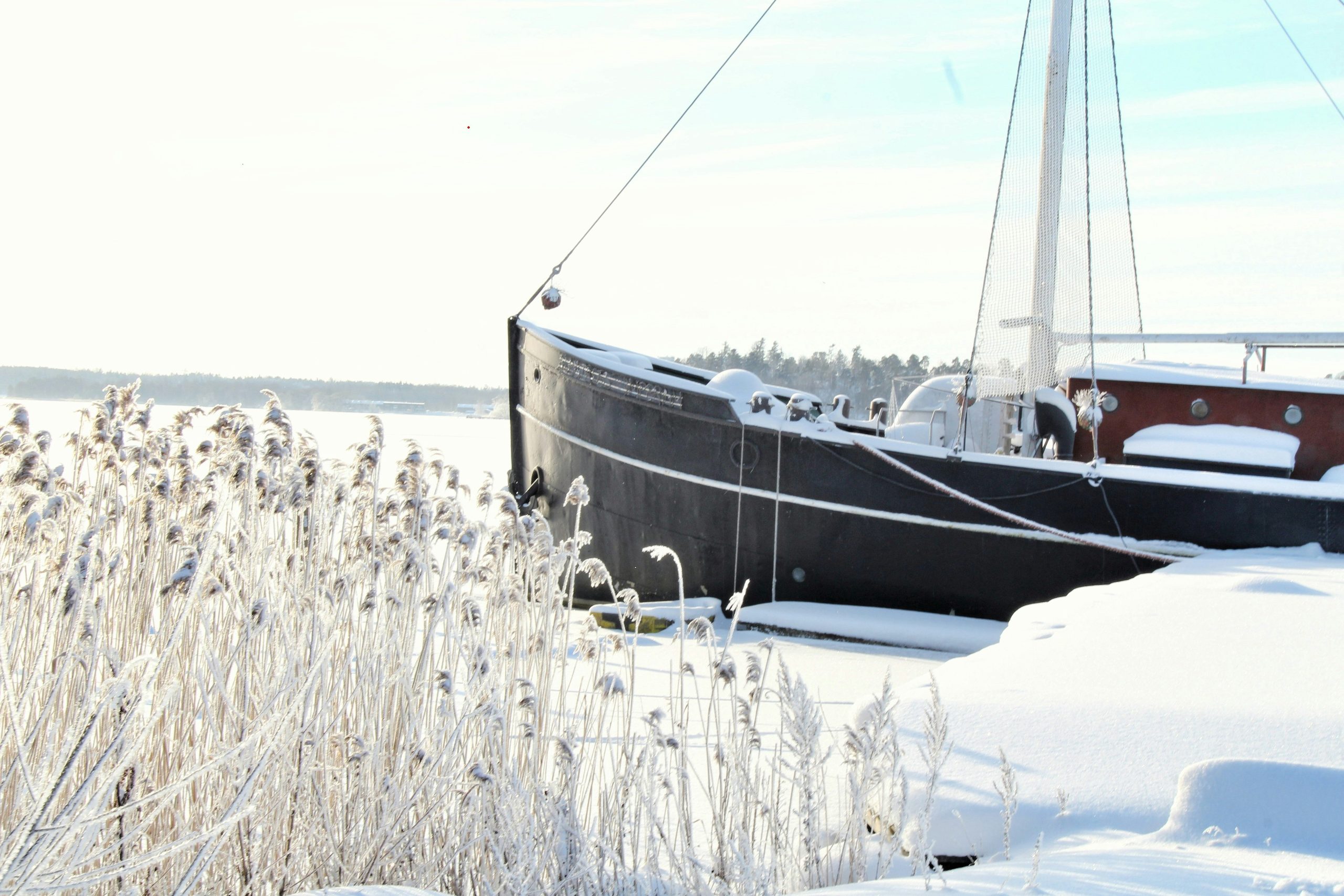
Winter yachting is not about proving anything. It is about stacking the odds in your favour, trip by trip. Cold water raises the stakes, daylight disappears early, and the same boat you trust in July can feel very different in January. The good news is that winter can be one of the most satisfying seasons to be afloat. Harbours are quieter, the air is clear, and every mile feels earned. This guide is written for private owners, with practical checks before you slip, a layering system that works on deck, a simple go no go weather method, and the small habits that keep minor issues from becoming serious.
| Winter Yachting Quick Checklist |
|
Winter Yachting vs. Regular Season: What Actually Changes?

Winter yachting still looks like sailing. You plan a route, check the boat, and go. What changes is the margin for error. Summer quietly cushions you. Winter removes that cushion. When water is cold and daylight is short, problems demand more energy, and you have less time to solve them.
Cold water turns “minor” into “urgent”
In winter, being wet is not only uncomfortable. It is a multiplier. Cold air and cold water reduce dexterity and focus. They make simple jobs take longer, which keeps you exposed for longer, which makes you colder. That is how minor issues grow. Many incidents begin with an ordinary task done a little too quickly, a slip on a damp deck, or a moment forward without clipping on because it feels unnecessary.
Winter yachting therefore rewards prevention more than heroics. The best plan is the one that keeps you on the boat, in the cockpit, and clipped on whenever you move. It also rewards simplification. If a sail change needs fine motor skills and perfect timing, it will feel far less clever when you are cold and the boat is moving.
Shorter daylight changes route planning (and arrivals)
Short daylight does not only affect comfort. It changes your routing and your decision making. A delay that is harmless in July can create a cold, dark arrival in January. That is when people start pressing on. They bargain with themselves because turning back feels like failure.
The cure is to plan winter legs so you arrive early by design. Short hops are not a compromise in winter yachting. They are a tactic. You choose destinations with straightforward approaches, you keep bail out options, and you avoid plans that require everything to go perfectly.
Cold impacts the boat, not just the crew
Winter affects the boat in ways that are easy to underestimate because nothing looks broken until it matters. Batteries can seem fine alongside and then sag under load. A starter motor that spins briskly in summer may hesitate when everything is cold. Condensation becomes a constant companion, which is not just unpleasant. Damp bedding ruins sleep, and damp gear lowers morale. Wet lockers also encourage mould, and mould encourages you to avoid using parts of your own boat, which is never a good sign.
The deck changes too. Grip is reduced, surfaces are slicker, and lines that behave nicely in warm weather can feel stiffer and less forgiving. Even simple knots can become frustrating with cold fingers, especially if you are wearing thicker gloves. That is why winter is a good season for fewer, simpler systems. If your reefing arrangement relies on perfect timing and fine motor skills, it will not feel clever in a squall late in the afternoon when the light is fading.
None of this means you should be afraid of winter. It means you should be honest about what winter does. Once you accept that the boat will be slightly less cooperative, you stop being surprised and start being prepared.
Quick rule: reef early, simplify early
The biggest shift in winter yachting is choosing to act earlier than you think you need to. Reef while everyone is calm. Stop while you still have daylight. Turn back while it is still simple. When you make the early decision, the whole day becomes steadier, and winter sailing starts to feel enjoyable rather than tense.
Winter Yachting Pre Departure Safety Check and Winterisation (Owner Focused)

Winter yachting is kinder when you treat preparation as part of the trip, not as a delay. Small faults that you might tolerate in summer often become time consuming in winter, and time is what you are short of. The aim is a routine that is quick enough to do every time, and targeted enough to catch failures that matter.
Winter ready versus winterised, choose the right mindset
Winterising for lay up is about protecting the boat while it sits. Winter ready preparation is about reliability while you are still sailing. For winter yachting owners, winter ready matters most. You want systems that start cleanly, charge properly, pump water out fast, and keep the cabin dry enough that the crew sleeps well.
A simple question helps. If something fails in the first hour, what would make you turn back. That is where your checks should focus.
The 15-minute dockside safety sweep
This sweep is not a full inspection. It is a quick scan for safety and reliability issues that can become serious quickly in winter yachting.
| Area | Check | Why |
|---|---|---|
| Cockpit | Lines tidy, sheets and reefing lines run free | Reduces trips and jams when gusts hit |
| Clipping on | Jacklines rigged, tethers ready, lifejackets fitted | Prevents a slip becoming immersion |
| Deck hardware | Guardwires, stanchions, gates, cleats feel firm | Winter decks are slick, you lean more than you think |
| Lights | Navigation lights confirmed before leaving | Low light arrives early in winter |
| Bilge | Pump runs, float switch responds if fitted, strainer clear | Finds leaks early and protects the boat |
| Drains | Cockpit drains clear of leaves and debris | Stops water pooling when you need it gone |
| Comms | VHF works, handheld charged, phone protected | Gives options if conditions change |
| Engine | Starts cleanly, cooling water flow confirmed, no new smells | Reliability matters more when it is cold |
Systems that hate winter, batteries, fuel, heating, ventilation
Batteries do less in the cold while you ask more of them. Leave with more charge than in summer and pay attention to voltage under load. Engine reliability matters because winter is not the time to drift while you diagnose a starting issue. Start early enough to listen, confirm cooling water flow, and take any unusual change seriously.
Fuel and filters are a common winter frustration. If your boat has history here, carry spare filters and the tools to change them, and practise the job alongside. The first time should not be when you are cold and bouncing.
Heating can make winter yachting delightful, but ventilation keeps it honest. Warm air holds moisture, and moisture becomes condensation on cold surfaces. Decide where wet kit goes, ventilate after cooking and after wet sails, and protect the bunk area from damp. Dry sleep is a safety feature.
Condensation control: keeping the boat dry inside
Most winter discomfort is created below. A simple routine prevents misery. Ventilate little and often when conditions allow. Wipe down the worst surfaces at the end of the day. Keep one dry base layer and dry socks in a sealed bag for the evening. That one habit improves recovery more than most expensive kit.
Owner habits that prevent winter problems (logs, float plan, check-ins)
Winter yachting is kinder when you treat small routines as part of the voyage, not extra work.
Keep a simple log of what you checked and anything that felt slightly off. It does not need to be elaborate. It just needs to exist. Patterns appear quickly when you write them down, and winter is a season where pattern recognition saves time.
Share a float plan with someone ashore. Again, keep it simple. Where you are going, your intended arrival time, and when they should expect to hear from you. If you change the plan, update it. This is not bureaucracy. It is a cheap safety net.
Finally, build your own stop rules while you are comfortable and warm. Set a daylight arrival rule. Set a wind limit you will not argue with. Set a crew fatigue rule. Then, on the day, you do not negotiate with yourself when the pressure rises. You follow the plan you made when your judgement was clear.
That is the essence of owner focused winter yachting preparation. It is not complicated. It is consistent, it is realistic, and it keeps you out of situations that become difficult to unwind once the temperature drops.
Winter Yachting Gear and Clothing: A Layering System That Works On Deck

Winter yachting feels much easier when your kit does two things well. It keeps you dry, and it lets you regulate heat without turning you damp. Most people get cold in winter because they start too warm, sweat into their layers, then the wind strips the heat away. A simple layering system beats “more insulation” almost every time.
Layering 101 (base, mid, shell), warmth you can vent
Base layer: Start with thermal base layers that move moisture away from your skin. If your base layer holds sweat, you will feel chilled later even in good foul weather gear. Pack a spare base layer in a dry bag so you can reset mid day if needed.
Mid layer: Your mid layer is adjustable warmth. Fleece is popular because it vents easily and still insulates when slightly damp. Keep it simple. In winter yachting you want warmth you can remove quickly without making a mess in the cockpit.
Shell layer: Your shell is your weather barrier. Proper foul weather gear should block wind, shed spray, and seal well at neck and cuffs. Windproof matters as much as waterproof in cold weather sailing. If your collar leaks air or your cuffs leak water, you will spend the day chasing comfort.
A useful rule is to leave the berth feeling slightly cool. You will warm up once you are working.
Hands, feet, head, where heat is lost fastest
Hands: Bring two glove options. One warmer pair of waterproof gloves for helming and general deck work, and one thinner pair for knots, clips, and small jobs. Cold hands slow everything down, and slow jobs mean more time exposed. Keep a spare pair somewhere you can reach without emptying a locker.
Feet: Warm feet keep you steady. Neoprene boots work well when the deck is wet and spray is constant. Insulated deck boots can be better for longer days. Either way, carry spare socks in a sealed bag. Wet socks early can spoil the entire day of winter yachting.
Head and neck: A beanie and a neck gaiter are small items with big impact. Wind chill finds the gaps around ears and collar quickly. Keep them in a pocket where you can reach them immediately.
Staying dry below deck, drying routines and damp management
Many winter yachting trips fall apart below deck, not on deck. Damp bedding and damp clothing reduce sleep, and poor sleep reduces judgement.
Set a wet kit routine. Decide where foulies and boots go as soon as you come down the companionway. Keep them away from bunks. Ventilate whenever you can, especially after cooking and after a wet sail. Warm air without ventilation creates condensation that soaks the boat from the inside.
Keep one dry set of clothing protected. A dry base layer and dry socks reserved for the evening can transform your comfort and your recovery.
Safety wear for owners, PFD plus harness plus tether (when, how, routine)
In winter yachting, safety wear works best when it is automatic. A lifejacket with harness, plus a tether, should be ready before you leave. If you use jacklines, rig them early and check attachment points properly.
When to clip on: Clip on when it is cold, rough, dark, or when you are sailing with a small crew. Clip on whenever you move forward, and whenever you are reefing. Many incidents happen during normal jobs in normal moments.
How to make it routine: Keep tethers where your hand naturally goes. Make the clipping point obvious. Agree a simple rule: nobody goes forward unclipped. Winter yachting is not the season for exceptions.
Drysuit vs wetsuit, realistic decision guide
For winter yachting owners, this choice depends on your water temperature, distance from help, and how quickly recovery would be possible.
A drysuit makes sense when cold water immersion would be genuinely dangerous, when you cross open water, or when you sail with a small crew and need more time to stay functional if the worst happens. It costs more and you should practise using it.
A wetsuit can suit certain coastal patterns, where exposure is likely to be brief and you need something simple. On a yacht, many owners find it awkward for long periods and uncomfortable below deck.
Whichever you choose, remember the priority. Prevention still does most of the work. Clip on, keep deck time short, and simplify sail handling early.
Winter Yachting Weather Windows: A Practical Go or No Go Framework

Winter yachting is often won on the forecast screen, before you even slip lines. A good weather window makes the day feel calm. A marginal one turns every task into effort, and effort becomes fatigue. You do not need perfect certainty. You need a repeatable framework that suits winter yachting and removes the temptation to bargain with yourself.
Start with the route, not the app
Choose the route first, then read the marine forecast through that lens. In winter yachting, plan shorter legs around daylight. Pick an easy destination you can reach early, and identify at least one bail out harbour on the way. Decide a turn back point by time or location before you leave. That one decision prevents a lot of late pressure.
The 5 signals owners should actually care about
-
Wind and gusts
Average wind can look acceptable while gusts tell the truth. Gusts knock people off balance and overload sails. In winter yachting, gusts often decide whether deck work stays safe. -
Sea state
Sea state is about control and recovery. If the boat is slamming and throwing spray, the crew gets cold faster and rests poorly. -
Swell period
Swell height alone is incomplete. Swell period often predicts comfort and how predictable motion feels. -
Air temperature and wind chill
Cold reduces dexterity and concentration. Treat crew function as a limit, not an inconvenience. -
Visibility
Rain, haze, spray, and early darkness add mental load. In winter yachting, mental load is a finite resource.
Model vs meteorologist, how to cross check GRIB with synoptic charts
GRIB files are useful, but timing errors matter more in winter. Cross checking is simple. Compare at least two sources and look for agreement on trend. Is pressure falling or rising. Is the wind building or easing. Use synoptic charts to understand what is driving the change, not just what the numbers say.
A barometer helps as a reality check. A steady fall should sharpen your caution. A rise can confirm improvement, but it is not a green light to push limits.
Red flags that should stop you early (not later)
These are common winter yachting traps that justify an early no go.
A forecast that includes fronts or squalls during your passage.
Gale warnings in the wider area, even if your local forecast looks milder.
A plan that requires arriving late. If it only works when everything goes perfectly, it is not a winter plan.
A sea state that prevents eating, drinking, and warming up. That is how fatigue becomes risk.
A repeatable go or no go decision
Set your rules when you are warm and unhurried, then follow them on the day.
-
- Pick a maximum gust limit that suits your boat and crew.
- Pick a sea state limit that still allows safe movement and warm breaks.
- Set a daylight arrival rule.
- Set a turn back point.
If any rule is breached in the forecast or on the water, the default action is to shorten the leg or stop.
That is not pessimism. It is how winter yachting becomes consistent, enjoyable, and safe.
Winter Yachting On Water Tactics, Small Habits That Prevent Big Problems

Winter yachting rarely goes wrong in one dramatic moment. It usually slips off course through small things that steal warmth, time, and attention. A sail change that takes too long, a crew member who gets chilled and quiet, a cockpit that becomes cluttered, a decision to press on because turning back feels annoying. The best winter yachting tactics are therefore simple. They reduce time on deck, reduce complexity, and protect crew function so you can keep making calm decisions.
Reef early, reef calmly
The most reliable winter yachting skill is the ability to reef without emotion. Reefing early is not pessimism. It is efficiency. Smaller sails mean less heel, less spray, and fewer sudden loads. They also make the boat easier to steer when the sea is confused.
A practical approach is to reef on a schedule rather than waiting for discomfort. If the forecast includes gusts that would push you into a rushed reef later, put the first reef in before you leave sheltered water. If the boat begins to feel lively, reef then. Do not wait until the conversation becomes raised voices and cold hands.
When you do reef, keep it tidy. Communicate clearly. Slow the boat down if needed. Make sure the line runs free before you load it. In winter yachting, a jammed reef line can turn a quick job into a cold, frustrating episode that drains the crew.
Watch system for small crews
Most private owners winter yachting do it with a small crew, often two to four people. Cold compresses your stamina. The answer is shorter rotations and more deliberate recovery.
If you are coastal sailing, you may not need a formal watch system, but you still need a rhythm. Rotate the cold jobs. Do not leave one person on the helm for hours while everyone else stays warm below. Swap more often and keep the changes calm.
Build warmth into the day as a routine, not a reward. Hot drinks, quick food, and short warm ups below can keep the crew functioning. Hydration matters even in cold air, because people forget to drink. A simple rule is to eat and drink before you feel hungry or thirsty, because winter yachting hides those signals.
Also watch for quiet fatigue. People stop talking when they are cold. If a crew member becomes silent, clumsy, or impatient, treat it as a cue to shorten the leg or take a break.
Deck safety routines (clip-in culture)
Winter decks are slippery, and winter clothing makes movement less precise. You counter that with routine, not bravery.
Clip on as a habit whenever you leave the cockpit, not as a reaction to fear. If you use jacklines, keep them rigged in a way that makes clipping on easy rather than awkward. If clipping on feels fiddly, people delay it. That is how winter yachting accidents happen.
Move forward slowly and with a plan. Keep one hand for the boat. Avoid carrying too much in one trip. If you need tools or a spare line, bring them in a small bag you can manage with one hand. Treat the foredeck as a work site, not a place to stroll.
Keep the cockpit clear. Loose coils of rope, spare winch handles, and wet fenders become trip hazards. In winter yachting you do not always have the luxury of catching yourself.
If there is ice on deck, deal with it early. Even a thin film changes everything. Clear the worst patches before you need to move quickly.
Cold-water MOB response: what changes in winter
Cold water changes the timeline and it changes what matters first. In winter yachting, the priority is prevention, because a person in the water loses function quickly and the crew has fewer safe options on deck. That is why clipping on, moving forward only when necessary, and keeping the cockpit organised are not just good habits. They are the main defences.
If someone does go overboard, keep the response simple and immediate. Shout, keep pointing, and make sure at least one person never takes their eyes off the casualty. Get flotation to them straight away. Then slow the boat down and establish control before you attempt a recovery. In cold conditions, rushing a manoeuvre often creates a second emergency.
Practise the first minute, not the perfect manoeuvre. The first minute is where you either keep the situation contained or you lose time and sight. Once the person is back aboard, treat it as a cold exposure incident even if they seem alert. Get wet layers off, warm them gradually, and watch for confusion or shivering that does not ease. End the day. Winter yachting is not the moment to press on after a close call.
Winter Yachting Destinations: Where It’s Actually Pleasant (and Where It Isn’t)

Winter yachting destinations are not only about warmth. For private owners, the right place is one where you can sail conservatively, stop early, and get help quickly if something needs attention. Quiet harbours and crisp winter days are only enjoyable when shelter and services are easy to reach.
Warm-water winter escapes (low-stress options)
Warm water makes winter yachting easier because the crew stays functional and recovery is simpler. Many owners look to the Caribbean or the Bahamas because there are established cruising routes, plenty of protected water, and good access to marinas and repairs. The key is to keep the same owner discipline. Plan short hops, avoid schedule pressure, and pick lee routes when trade winds are brisk.
Closer-to-Europe winter sun
For Europe based owners, the Canary Islands can offer a workable winter yachting base. The climate is kinder than northern waters and there is strong sailing infrastructure, but wind can be lively and open water can build quickly. A good pattern is to settle into a comfortable base, then day sail or do short legs when the weather window is clear, rather than forcing long passages on fixed dates.
Owner-focused destination filter
Use three simple questions to choose a winter yachting area.
- What are the prevailing wind patterns and do they create exhausting beats or manageable sheltered routes.
- How strong is the support picture, including marina shelter, haul out options, and access to spares and repairs.
- How easy is the escape plan, meaning the spacing of safe harbours and properly protected anchorages.
If a destination passes those tests, it is more likely to feel genuinely pleasant, not just tolerable.
Winter Yachting Passage Planning: A Conservative Plan You’ll Actually Follow

Winter yachting planning is less about ambition and more about reducing pressure. If your plan only works when everything goes smoothly, it is not a winter plan. A good winter plan gives you options, keeps you warm, and keeps arrivals simple.
Route design in winter: short legs + more alternates
Plan winter yachting legs around daylight and fatigue. Short hops are not a sign of caution. They are how you stay ahead of the day. Choose destinations with straightforward approaches and clear shelter, then add alternates that you can reach if the sea state builds or the wind shifts.
Make a turn back point before you leave. It can be a headland, a buoy, or a time. If you reach it and conditions are worse than expected, you turn back or you shorten the day. This one decision removes most of the on the water bargaining that winter yachting creates.
Provisioning for cold: hot food strategy, hydration, “easy calories”
Cold hides hunger and thirst, but the body still needs fuel. Winter yachting goes better when eating and drinking is routine rather than reactive.
Plan food you can manage when tired. Soups, hot drinks, and simple meals that can be eaten one handed help a lot. Keep easy calories in the cockpit, such as snacks that do not require preparation. Hydration matters even when you do not feel sweaty, so make a point of drinking little and often.
Spare parts that matter most in winter
Carry spares that prevent a small fault becoming a long delay. Think in terms of what could strand you in a cold anchorage or force you to run the engine longer than planned.
Spare engine fuel filters and the tools to change them.
A basic electrical kit, including fuses and a few connectors.
A headtorch and spare batteries.
A means of temporary repair for leaks, such as tape and plugs.
A spare pair of gloves and dry socks in a sealed bag.
Keep spares accessible. If you have to empty lockers to reach them, you will not enjoy doing it during winter yachting.
Pre-departure briefing & drills
A short briefing prevents confusion when conditions change. Keep it practical.
- Agree when people clip on and where.
- Agree reefing roles and basic hand signals.
- Confirm the route, alternates, and the turn back point.
- Confirm who will contact the shore person and when.
Practise one small drill occasionally, such as a quick man overboard callout or a reefing sequence. Winter yachting benefits from muscle memory because cold hands and low light reduce your ability to improvise.
Winter Yachting FAQs (5 Quick Answers)
❄️Is winter yachting safe for private owners?
Yes, if you plan conservatively and protect crew function. Winter yachting becomes risky when you rely on long legs, late arrivals, or optimistic forecasts. Short hops, early reefs, and a clear go or no go rule keep the day manageable.
❄️What temperature is too cold for winter yachting?
There is no single number. The practical limit is when cold and wind chill reduce dexterity, concentration, and recovery speed for your crew. Water temperature matters even more than air temperature because immersion changes the consequences. If you would struggle to function with cold hands, shorten the trip or wait.
❄️What should I wear for winter yachting to avoid hypothermia?
Use a layering system. Wear thermal base layers that manage moisture, an adjustable mid layer, and windproof foul weather gear. Keep hands, feet, and head warm, and carry a dry spare base layer and socks in a dry bag. Avoid sweating early, because damp layers chill you later.
❄️How do I pick a winter yachting weather window if forecasts disagree?
Cross check at least two sources and focus on the trend rather than one number. If the timing of a front or wind increase is uncertain, reduce exposure by delaying, shortening the leg, staying inshore, or choosing an easier destination. Winter yachting rewards simple decisions made early.
❄️What are the biggest winter yachting mistakes owners make, and how do I avoid them?
The common mistakes are leaving too late, delaying reefs, underestimating fatigue, relying on one forecast source, and letting the boat get damp below deck. Avoid them with routines. Plan daylight arrivals, reef early, rotate cold jobs, cross check forecasts, ventilate to control condensation, and keep one dry clothing set protected for recovery.
References:
- RNLI: Cold water shock and what to do first
- RYA: Safety lines and clipping on (harness and tether guidance)
- RYA: Lifejackets and buoyancy aids (selection and use)
- Met Office: Guide to marine forecasts (how to read and use them)
- Met Office: Shipping forecast and gale warnings (UK waters)
- UK Government: Maritime Safety Information (MSI) leaflet
- UK MAIB accident report: Yacht Lion (tether related fatality, lessons learned) PDF
- World Sailing: Offshore Special Regulations (OSR)
- IMO guide: Cold water survival (PDF hosted by USCG)
- US National Weather Service: Coastal waters forecasts with wave detail (swell and period)
- NOAA: Marine Weather Information Guide (PDF)
Winter Yachting Itineraries: 7-Day & 14-Day Routes You Can Copy
Winter Yachting Gear Checklist: What to Wear and What Gear Keeps You Safe at Sea
Top Winter Yachting Destinations Around the World: From Tropics to Snowy Harbours
Comments are closed