
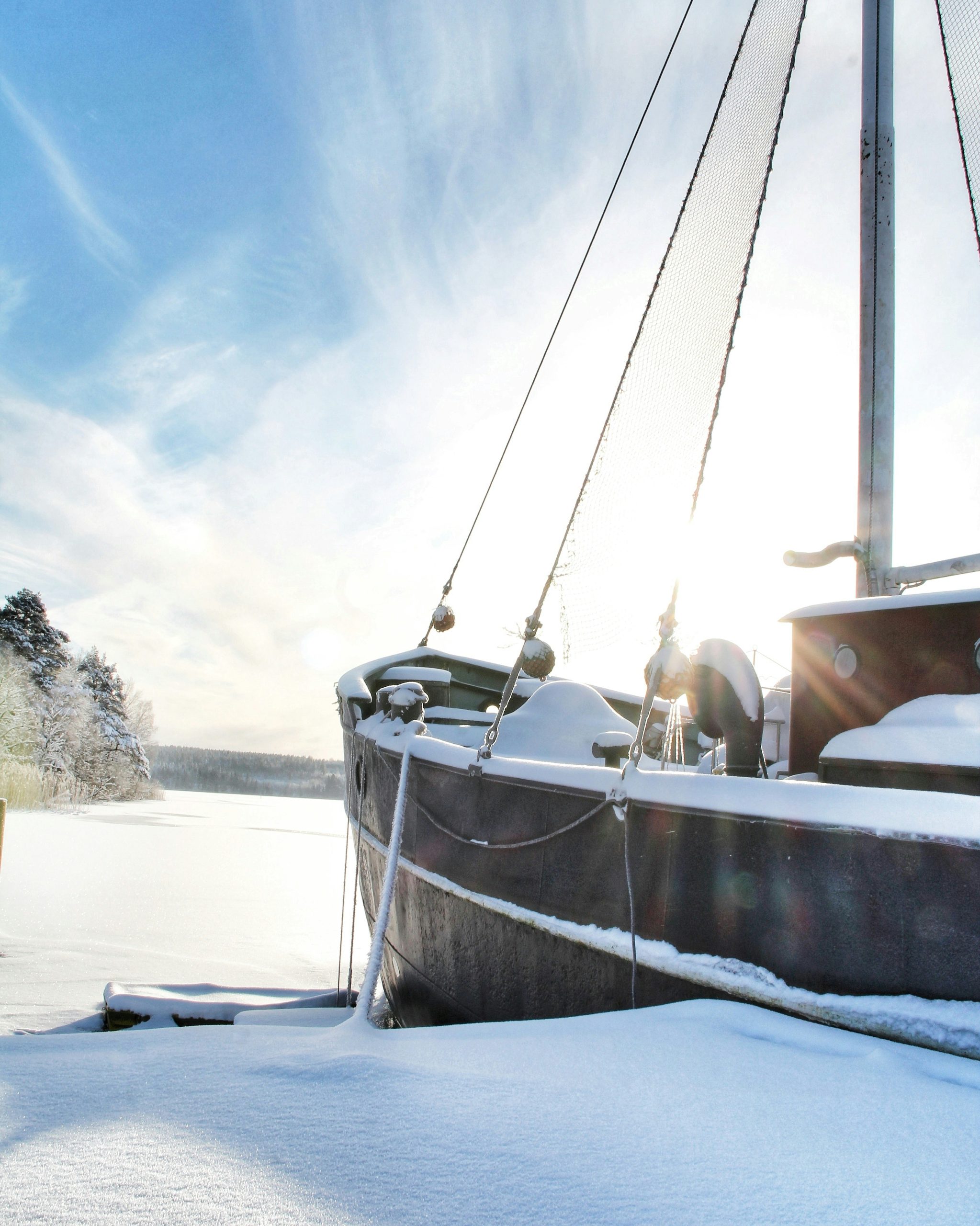
Winter on a yacht can mean two completely different things. It might be warm trade winds, turquoise water, and a T-shirt by lunchtime. Or it might be crisp air, frosted decks, and the kind of harbour view that makes you forget your fingers are numb.
You might be searching for the best winter yachting destinations because you want one thing: a trip that feels like winter on your terms. Some people wish to sunshine and easy hops. Others want serious miles. A few want snowy harbours and bragging rights, and fair play to them.
This guide is designed to help you make an informed choice. You will get a clear shortlist, real-world seasonal windows, what conditions feel like on deck, and route ideas for different types of sailors. No fluff, no pretending every place suits everyone.
Winter yachting destinations: A quick comparison table
| Region style | Best for | What it feels like | Main watch outs |
|---|---|---|---|
| Caribbean classics | First winter charter, families | Short hops, steady trades, easy bail outs | Peak crowds, quick squalls, swell wrap |
| Shallow water zones (Bahamas, Belize) | Relaxed cruising, water time | Clear water, careful navigation, early arrivals | Reefs, sandbanks, daylight planning |
| Southeast Asia (Thailand) | Culture plus cruising | Warm, scenic, flexible itineraries | Seasonal calendar, local weather shifts |
| Indian Ocean (Seychelles) | Compact island cruising | Short legs, snorkel friendly rhythm | Wind strength changes by season |
| Near Europe Atlantic (Canaries, Cape Verde) | Skills building, longer legs | Proper sailing days, Atlantic swell | Wind acceleration zones, sea state |
| Cold scenic (Norway) | Experienced crews, slow travel | Snowy harbours, quiet, dramatic | Cold water risk, short daylight, conservative plans |
| Far south adventure (Patagonia) | High experience, big scenery | Remote, windy, unforgettable | Weather margins, logistics, comfort expectations |
Winter yachting destinations: Your fast shortlist and how to choose

If you only read one section, read this one. Most “best of” lists skip the boring details that actually decide whether your trip feels effortless or exhausting. Let’s fix that quickly.
The quick vibe picker: pick your kind of winter
If you want easy sunshine, go for classic trade wind cruising with short hops and plenty of shelter. That is why the Caribbean stays near the top of most winter yachting destinations lists.
If you want something different but still warm, look at Thailand or the Seychelles. You get tropical sailing, plus culture, food, and a different rhythm from the Caribbean circuit.
If you want “I cannot believe we did that” stories, you are in cold harbour territory: Norway for snowy scenery, or Patagonia for remote, dramatic landscapes and big weather. Those trips reward experience and planning, not optimism.
The decision filters that actually matter
Air temperature is only one piece. Wind strength, sea state, anchorage protection, and daylight hours shape the whole experience. You can be warm in 20°C and still miserable if the swell wraps into every anchorage.
Ask three simple questions. How often can we stop? How easy is it to find shelter? How forgiving is the navigation when we are tired or new to the area? These questions sort winter yachting destinations into realistic options fast.
Charter ease versus own boat logistics
Charter friendly places have predictable flights, lots of provisioning, decent marina services, and easy spares. In those regions you can focus on sailing rather than “why is the only fuel filter on the island out of stock.”
If you are taking your own yacht, the map changes. You start caring about haul out options, chandleries, and whether parts arrive in days or in “maybe next month.” Great winter yachting destinations are not always great places to maintain a boat.
Winter yachting destinations: Tropical classics for warm, easy cruising
When people say they want warm water winter yachting destinations, this is usually what they mean: reliable breezes, short passages, and anchorages where the crew can actually relax. It is also why these regions are often the safest winter yachting destinations for mixed-ability crews.
⛵Caribbean picks: easy island hopping with steady trade winds

For most sailors, the Caribbean is the gateway drug. If you are looking for Caribbean winter yacht charter destinations, you are basically shopping for easy wins: warm water, lots of shelter, and routes that do not punish you for keeping things simple.
Mini profile: British Virgin Islands
- Best months: roughly November to early April for peak conditions, with strong trade winds often seen in November and good sailing through spring.
- What it feels like: line of sight sailing, short hops, lots of moorings.
- Who it suits: beginners, families, and anyone who wants a relaxed first winter charter.
- One gotcha: peak season crowds, especially around holidays, so book early.
If you want a ready-made plan you can follow without drama, start with a BVI winter sailing itinerary. Keep legs short, arrive early, and treat it like a confidence-building week rather than a race. Your future self will thank you.
Mini profile: Grenada and the Grenadines
- Best months: the core winter season, with trade winds and a classic island chain route.
- What it feels like: a little more “proper passage” than the BVI, but still friendly.
- Who it suits: social cruisers who like variety, plus crews ready for slightly longer legs.
- One gotcha: plan your anchorages well, because swell and wind angle can matter.
The Grenadines winter sailing route is the one people fall in love with when they want that classic “island to island” feeling, but with just enough wind to feel like you are actually sailing. It is relaxed, but not boring.
⛵Bahamas and Belize: shallow water magic with a planning twist

If you love bright water and sandbars, the Bahamas is hard to beat. Belize gives you reef cruising, snorkelling, and warm air, plus a different vibe from the island chain feel of the Caribbean.
Quick reality check: Bahamas winter sailing conditions are often lovely, but the real challenge is not the temperature, it is the shallows and timing your arrivals with good light. In Belize, the reward is huge if you plan it right, especially on a Belize winter yacht charter route that keeps navigation conservative.
Mini profile: Bahamas
- Best months: winter months are popular because you escape northern cold and enjoy settled weather windows.
- What it feels like: shallow banks, clear water, and lots of “anchored in a swimming pool” moments.
- Who it suits: cruisers who like relaxed days and do not mind careful navigation.
- One gotcha: you want good charts, good light, and a sensible “arrive early” habit.
Mini profile: Belize
- Best months: winter is a common sweet spot for warm weather and cruising.
- What it feels like: reef edges, cayes, and world class snorkelling days.
- Who it suits: crews who enjoy anchoring, water time, and reef aware planning.
- One gotcha: reef navigation rewards patience, not rushing.
What winter actually feels like in the tropics
Warm water does not mean zero drama. Quick squalls still arrive, anchorages still roll when swell wraps in, and tired crews still make mistakes. The difference is you recover faster when you are not battling cold on top of everything else.
If you are building confidence, tropical winter yachting destinations give you the best learning curve. You practise reefing, anchoring, and watchkeeping without adding the extra penalty of freezing hands.
Winter yachting destinations: Warm water adventures beyond the obvious
Once you have done the Caribbean circuit, many sailors want the same winter escape, but with a different flavour. Think spicy food, new anchorages, and fewer “we all did this route last year” conversations.
⛵Southeast Asia: Thailand and the Andaman Sea

Thailand is a headline option for winter yachting destinations because the dry season aligns neatly with northern winter. December, January, and February are often cited as the driest months, and many guides place the best sailing window broadly around November to April.
If your goal is tropical sailing without the Caribbean crowds, Thailand Andaman Sea winter sailing is a strong shout. It feels like holiday cruising, but with enough variety onshore that nobody gets bored of “another beach” by day three.
Mini profile: Phuket and the Andaman Sea
- Best months: roughly November to April, with the core dry season in winter.
- What it feels like: warm water, island spacing that suits short legs, and plenty of sheltered bays.
- Who it suits: relaxed cruisers, mixed ability crews, and anyone who wants sailing plus culture.
- One gotcha: do not ignore the seasonal calendar. Monsoon timing is real and it matters.
A practical tip: if you are planning winter yachting destinations in Thailand, decide whether you want the Andaman side or the Gulf side first. Thailand can be excellent almost year round if you pick the right coast for the season, but it punishes vague planning.
⛵Indian Ocean: Seychelles for compact distances and big scenery

Seychelles can be wonderfully straightforward. Distances are compact, anchorages are gorgeous, and the water is warm. Many guides describe November to April as a calmer season with milder winds, and May to October as windier and better suited to experienced sailors.
A Seychelles winter yacht charter itinerary can be as lazy or as lively as you like, depending on which islands you prioritise and how punchy the breeze is that week.
Mini profile: Seychelles
- Best months: November to April for milder winds, with April, May, October, and November often highlighted as pleasant transition periods.
- What it feels like: short sails, snorkel breaks, and anchorages that look unreal at sunset.
- Who it suits: couples, families, and anyone who likes a relaxed daily rhythm.
- One gotcha: wind strength changes by season, so match it to your crew’s comfort.
Seychelles also works well for sailors who want a “reset” style charter. You can keep days short, choose protected anchorages, and still feel like you are somewhere properly special. That is a very strong selling point for winter yachting destinations.
South Pacific: longer trips with bigger payoffs
If you have more time, the South Pacific can be the dream. Think lagoons, longer passages, and fewer services. This is not “pop into a chandler tomorrow” territory. It is “bring spares, plan ahead, and enjoy being off the beaten path.”
For search intent, this belongs in winter yachting destinations because many sailors are looking for a winter escape that feels like a once in a lifetime trip. Just be honest in the article: it often needs more time and more planning than a one week charter.
Winter yachting destinations: Close to Europe sun with proper sailing
Not everyone wants to fly across the world.If you are UK or Europe based and cannot face a mega long-haul flight, you are probably hunting for winter yachting destinations near Europe.
This is where the Canaries and Cape Verde shine: winter sun, decent infrastructure, and sailing that feels properly “offshore-ish”.
⛵Canary Islands: mild winters and Atlantic personality

The Canaries come up again and again in winter yachting destinations searches because they sit in a sweet spot. You can get mild temperatures, decent infrastructure, and conditions that feel like an Atlantic training ground. Yachting Monthly notes the prevailing north easterly trades and consistent conditions that make the islands popular.
Some sources describe the winter period, roughly mid November to mid April, as a popular time for sailing there, while also noting that trade winds can be stronger at certain times of year.
Mini profile: Canary Islands
- Best months: late autumn to spring for winter escapes, with wind strength varying by season.
- What it feels like: Atlantic swell, steady breezes, and legs that can be longer than typical island hopping.
- Who it suits: sailors who want confidence building sailing, plus winter sunshine.
- One gotcha: wind acceleration zones between islands can surprise you, so plan legs with that in mind.
People always ask about timing here, so let’s be direct: the best time to sail the Canary Islands in winter is usually when you can match your crew to the wind. And yes, Canary Islands trade wind acceleration zones are a real thing. Plan legs with that in mind, and the islands feel exciting, not exhausting.
⛵Cape Verde: trade winds and a wilder edge

Cape Verde often gets described as best from January to March, with consistent north easterly trades and minimal rain in that period. That makes it a great choice if you like wind, open water legs, and a less polished, more adventurous feel.
Mini profile: Cape Verde
- Best months: January to March is commonly highlighted for reliable conditions.
- What it feels like: breezy, dry, and a little more remote than the Canaries.
- Who it suits: confident crews who enjoy trade wind sailing and do not need constant marina stops.
- One gotcha: logistics can be simpler than you fear, but still plan provisioning and spares early.
Cape Verde is one of those winter yachting destinations that makes you feel like you have stepped slightly off the mainstream route, without going full expedition. For many sailors, that balance is exactly the appeal.
Winter yachting destinations: Cold but unforgettable snowy harbour options
Not all great winter yachting destinations are warm. Some of the most memorable trips are the cold weather sailing destinations worth visiting, as long as you are honest about the extra margin you need. It is less “holiday mode” and more “proper seamanship mode”.
⛵Norway: fjords, snow, and serious seamanship energy

Norway in winter is a different world. Snowy landscapes, long twilight, and a quietness you rarely get in peak summer. Hurtigruten describes winter as a time of wilder scenery and northern lights potential.
For winter yachting destinations, Norway is less about comfort and more about experience. You need to think about cold water risk, deck safety, and conservative plans. You also need to be realistic about daylight and the speed at which fatigue arrives when it is cold.
Mini profile: Norway fjords in winter
- Best months: deep winter has the most dramatic feel, but daylight is short, so planning is everything.
- What it feels like: quiet harbours, crisp air, and scenery that looks like a film set.
- Who it suits: experienced crews who enjoy planning and do not chase long miles every day.
- One gotcha: cold water discipline is non negotiable, and forecasts must be treated with respect.
If you want the snowy postcard version, Norway winter sailing fjords are hard to beat. The trade is simple: you get jaw-dropping scenery, but you also commit to shorter days, colder routines, and much stricter safety habits.
⛵Patagonia and the far south: big scenery and big weather

Patagonia is where “winter” depends on your hemisphere. If you are travelling to the far south, the sailing season often aligns with the southern summer, roughly November to March for many activities.
That does not mean easy. The region is famous for powerful winds and fast changing weather. What you gain is drama: mountains, glaciers, and a sense of remoteness that most winter yachting destinations cannot match.
Mini profile: Beagle Channel area
- Best months: many tours and seasonal operations run roughly November to March.
- What it feels like: cold air, stunning views, and weather that keeps you humble.
- Who it suits: properly experienced crews, or travellers pairing sailing with guided local boating.
- One gotcha: planning margins need to be generous, and comfort expectations need to be realistic.
For the far south crowd, the Patagonia Beagle Channel sailing season is the phrase to remember when planning. Even in the “right” window, conditions can still feel big, so build in extra time and never plan a route that only works if everything goes perfectly.
Cold sailing trade offs: the honesty checklist
Cold trips ask more of you. You carry heavier kit, you move more slowly, and you plan more carefully. You also get an experience that feels rare. That is why cold winter yachting destinations remain popular even though they are demanding.
If you include cold options in your plans, think in layers. Route choice, safe harbours, heating, comms redundancy, and crew fitness all matter more than they do in the tropics. You are building a system, not chasing a postcard.
Winter yachting destinations: Weather patterns and safety notes by region

This is where planning gets real. Your route is basically shaped by trade winds winter sailing routes or by winter fronts sailing safety decisions, depending on region.
And if you are anywhere near tropical storm risk, you need a cyclone season sailing calendar mindset, plus awareness of hurricane season Caribbean sailing dates.
Trade winds versus winter fronts: what changes your day fastest
Trade winds are predictable in a comforting way. You often get a steady direction, steady strength, and a daily rhythm that feels easy to plan around. That is a big reason tropical winter yachting destinations are so popular.
Winter fronts are different. They bring fast changes, squalls, and the occasional “why did the wind just double” moment. In front driven regions, the best skill is patience. Waiting out a day is usually cheaper than forcing a passage.
Seasonal danger zones: stay calendar safe
The smartest winter sailors use the calendar like a safety tool. They pick regions that are in their stable season, and they avoid the months where cyclones or hurricanes are more likely.
That does not mean nothing ever happens. It means your odds are better. When you are choosing winter yachting destinations, your first filter should always be “am I on the safe side of the season.”
Anchoring in winter: swell wrap, holding, and plan B thinking
Winter anchoring is about options. You want two or three viable anchorages in mind, not one perfect bay and a hope. Swell wrap can turn a “protected” spot into a washing machine depending on direction.
Set your boat up for easy decisions. Arrive early, check holding, and do not be shy about moving if it feels wrong. In winter yachting destinations, good anchoring decisions are often what make the difference between a magical trip and a sleepless one.
Winter yachting destinations: Itineraries and planning that fit real sailors

If you are looking for something you can copy-paste, build a 7 day winter yacht charter itinerary around three rules: short legs, early arrivals, and one flexible “do nothing” day. That one lazy buffer day saves more trips than people admit.
First winter charter: 7 days, short legs, easy bail outs
If you are newer, choose winter yachting destinations where you can keep legs short and stop often. The BVI is the classic example, but similar logic applies in many island groups with close spacing.
A simple week looks like this. Sail two to three hours a day. Anchor or moor early. Spend afternoons swimming, exploring, and doing tiny skills practice, like reefing drills in calm water. You will be amazed how quickly confidence grows.
Social cruiser week: beach stops and easy nights
Some crews want sailing as the transport, not the main event. They want beaches, snorkelling, and dinners ashore. That is a valid goal, and plenty of winter yachting destinations suit it perfectly.
Build a route with predictable anchorages and minimal night sailing. Keep two “lazy days” where you stay put and just enjoy the place. That reduces fatigue and keeps the vibe light, especially with mixed experience crews.
Skills and miles trip: longer legs and watch systems
If you want growth, choose winter yachting destinations that can serve up longer legs safely. The Canaries can do this. Cape Verde can do this. Some Caribbean routes can do this too if you deliberately pick longer passages.
Plan a simple watch system even on a short trip. Keep it light, but practise the rhythm. Do a couple of night hours on purpose, in good conditions, so night sailing stops feeling like a monster under the bed.
Cold taste tester: one conservative snowy harbour route
If you are curious about cold sailing, do not start with the hardest version. Pick a conservative harbour hopping plan where you can stop early, warm up, and keep daily goals small. Norway can work in this way if you treat it as scenic cruising rather than mileage chasing.
The goal is to learn how your crew handles cold routines: layering, deck movement, hot drinks, and rest. If everyone enjoys that, you can step up later. That is how you make cold winter yachting destinations sustainable.
Winter yachting destinations: Booking order, budget basics, and a simple timeline

This is the bit people skip, then regret later. The best route in the world feels less charming when you are over budget and stressed before you even arrive.
Best months by region: the quick cheat sheet
- Caribbean: winter dry season is a classic window, often described as roughly November to May, with peak demand around December to April.
- Thailand Andaman: commonly recommended around November to April, with the driest core months in winter.
- Seychelles: calmer winds often noted from November to April, with transition months frequently recommended.
- Cape Verde: often highlighted as best January to March for reliable trades.
- Canary Islands: popular for winter escapes, with some guidance noting sporty conditions from October to April.
Cost reality: what drives the budget
Flights and accommodation are obvious, but sailing has extra levers. Peak season marina fees, holiday week demand, one way charter pricing, and insurance requirements can all shift the numbers.
A helpful habit is to decide early whether your priority is prime weather or better value. If you want prime weather, you usually pay more. If you want value, you travel slightly off peak and accept a little more variability. That trade off applies to most winter yachting destinations.
The booking order that reduces headaches
Book flights and the boat first. Those are the two items that sell out around school holidays and peak season windows. Then lock in insurance and any permits that are known pain points in your region.
After that, keep the rest flexible. Provisioning plans, itinerary fine tuning, and “nice to have” excursions can come later. If you do this in the right order, your winter yachting destinations trip starts calm and stays calm.
A simple prep timeline you can actually follow
- 12 weeks out: Pick the region, confirm the season window, book boat and flights.
- 4 weeks out: Sketch the route, check marina availability, plan provisioning style.
- 48 hours out: Check the latest forecast trends, pack smart layers, and plan early arrivals.
That is it. You do not need a spreadsheet the size of a mainsail. You just need the right steps in the right order.
Winter yachting destinations: The final word
If you are choosing between winter yachting destinations, do not start with the prettiest photo. Start with your crew and the kind of winter you actually want. Easy sunshine, warm water adventure, proper sailing training, or cold harbour magic. They are all valid. They just require different plans.
The best trips usually share the same habits. You respect the season calendar. You plan early arrivals. You pick anchorages with options. You keep the daily goals realistic, and you protect crew energy like it is a limited fuel tank.
Do that, and winter sailing becomes less about enduring conditions and more about enjoying a quieter, sharper, more memorable side of the sea. And once you have nailed your first great winter yachting destinations trip, you will probably start plotting the next one before the suntan fades.
Frequently Asked Questions Answered (without the boring bits)
⚓I’m new to this: what winter yachting destinations won’t throw me in at the deep end?
Go for short hops, lots of shelter, and straightforward navigation. The sweet spot is places where you can stop early, change plans easily, and still have a great day even if the wind turns lively. Think relaxed island chains rather than “big passage” regions.
⚓How do I pick winter yachting destinations by month and not end up on the wrong side of the season?
Use the “calendar first” rule. Choose a region in its stable window, then check the local pattern that matters there, such as trade winds, winter fronts, or monsoon timing. If you are unsure, pick somewhere with plenty of protected harbours so you can wait out a dodgy day.
⚓Be honest: are warm water winter yachting destinations basically the ‘easy mode’ option?
They are often easier on the body, but they are not risk free. Warm water reduces cold stress and makes recovery simpler, yet you still have squalls, swell wrap, and tired decision making. The difference is you suffer less for small mistakes, which is why they suit mixed experience crews.
⚓What’s the sneaky challenge with winter yachting destinations near Europe?
Sea state and wind funnels. Atlantic island groups can feel wonderfully sunny, then surprise you with acceleration zones and bigger swell than you expected. Plan legs for protection, arrive early, and build routes with a couple of easy bail out options.
⚓I’ve only got a week: how do I make a 7 day winter yacht charter itinerary that doesn’t feel rushed?
Keep daily legs short, aim to be anchored or moored well before dusk, and add at least one flexible “weather day” where you can stay put. Choose a region with close island spacing and lots of sheltered stops so the trip stays fun, not frantic.
Video: Global Sailing Inspiration (Use This to Shortlist Your Winter Yachting Destinations)
References
- Boataround. (2025, November 17). When the Med Season Ends: Top Destinations for Winter Sailing.
https://www.boataround.com/blog/winter-sailing-destinations - Click&Boat. (2025, November 17). Best time to visit Seychelles: Weather & seasons. Blog post.
https://blog.clickandboat.com/en/when-is-the-best-time-to-go-to-seychelles/ - Ombre Yacht. (2025, October 20). Best Time to Sail: The Green Season or the #1 Dry Season.
https://ombreyacht.com/best-time-to-sail-green-season-dry-season-in-phuket - Sailwiz. (2025, October 20). Sailing holidays in the Canary Islands: Tips, routes & best time to travel.
https://www.sailwiz.com/en/sailing-holidays-in-the-canary-islands_-tips_-routes-_-best-time-to-travel/blog/141 - Tubber. (2025, May 21). Sailing in Thailand: Best time and destination tips. Blog post.
https://www.tubber.com/en/blog/sailing-destinations/sailing-in-thailand/ - Asia Global Yachting. (2025, April 9). The Best Times to Visit Thailand.
https://www.asiaglobalyachting.com/articles/the-best-times-to-visit-thailand/ - The Moorings. (2024, December 17). Best Time to Sail the Caribbean.
https://www.moorings.com/uk/blog/best-time-to-sail-the-caribbean - SamBoat. (2024, November 8). The Ultimate Guide to Sailing in Seychelles.
https://www.samboat.com/blog/the-ultimate-guide-to-sailing-in-seychelles - Navigare Yachting. (2024, October 25). 2024/2025 Season Sailing Guide: Award-Winning Destinations.
https://navigare-yachting.com/en/blog/sailing-tips/2024-2025-season-sailing-guide-award-winning-destinations - Burgess. (2024, October 21). Winter Vacations: Chartering the Caribbean this season.
https://www.burgessyachts.com/en/editorial/news/winter-charter-caribbean - Sunsail. (2024, March 20). Best Time to Sail the Caribbean.
https://www.sunsail.com/uk/blog/best-time-to-sail-the-caribbean - Sailme Charter. (2024, August 26). Canary Islands: The Perfect Sailing Destination This Winter.
https://sailme-charter.com/blog/canary-islands-the-perfect-sailing-destination-this-winter.html
Winter Yachting Gear Checklist: What to Wear and What Gear Keeps You Safe at Sea
The Ultimate Winter Yachting Guide: Safety Tips, Gear, Destinations & Planning
Winter Yachting Itineraries: 7-Day & 14-Day Routes You Can Copy
Comments are closed