
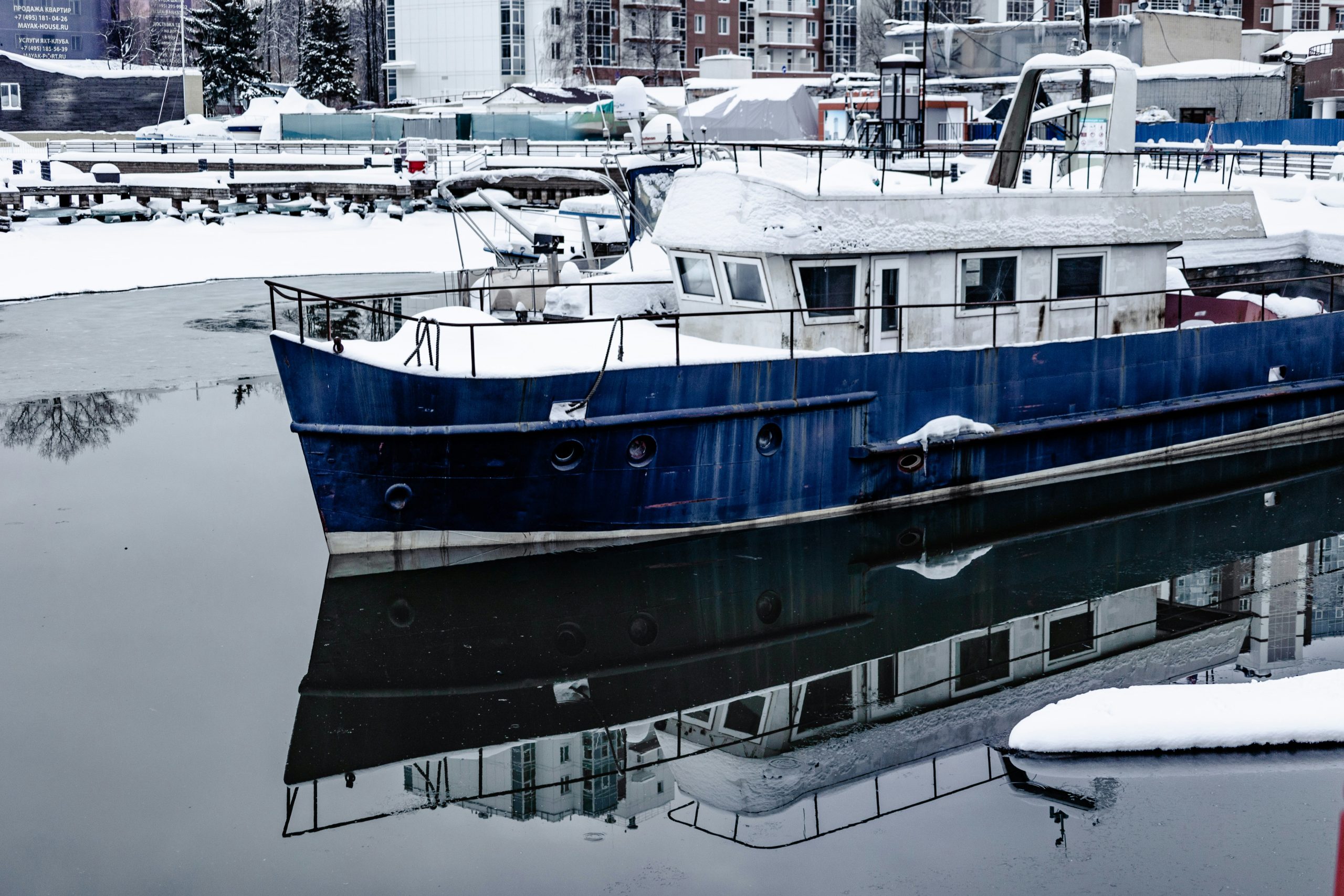
If you are planning your first cold season trip under sail, you are probably juggling two big questions in your head. One is what to wear for winter yachting, and the other is how to stay genuinely safe if the weather turns foul.
You are not alone. Many skippers love the empty marinas and crisp clear winter skies, but quietly worry that they have forgotten something important from their winter yachting gear checklist. This guide walks you through the whole picture, from clothing to safety kit, with practical examples you can actually use.
Throughout the guide we will keep circling back to one core idea. winter yachting gear is not just about buying thicker clothing. It is about building a complete system that keeps you warm, dry, visible and capable of dealing with problems when they appear, not after.
Meet your winter yachting gear: stay warm, stay dry, stay out there

Why winter yachting feels colder than winter on land
You might check the thermometer at home and see eight degrees, then step into the cockpit and feel like the season has changed. Wind, spray, and long stretches of sitting still make “not that cold” turn sharp very quickly.
The sea steals heat in three main ways. Wind strips warmth, spray soaks your insulation, and cold surfaces pull heat away when you sit or lean. That is why winter yachting gear has to do more than just feel warm on shore.
If the crew goes quiet, shoulders creep up, and simple jobs feel harder, it is usually not attitude. It is cold stress, and a hint your setup needs adjusting.
The golden rule of winter yachting gear: dress for cold water not cool air
Air temperature can fool you. The real risk is the water, and if you go in, the temperature change is instant. That is when clothing performance matters most.
Pick winter yachting gear as if an unexpected dunking is possible. Prioritise quick drying fabrics, seals at wrists and neck, and gloves that still work when wet.
Use vents, zips, and removable layers so you can cool down without losing your safety margin.
How to balance warmth movement and safety on a yacht
Warmth is useless if you cannot move. The “walking duvet” look slows you down, makes deck work clumsy, and increases slip risk.
Go for a layered system that lets you crouch, step over lines, and clip on smoothly. Base layer for moisture, mid layer for trapped air, shell for wind and spray, then safety kit on top. That is the logic behind smart winter yachting gear.
Layer up like a pro: building a head to toe winter yachting gear clothing system

Base and mid layers: merino and synthetics that manage moisture and heat
Your base layer is the unsung hero of winter yachting gear. It sits next to your skin, quietly moving sweat away before it has time to chill you. If you wear a cotton T shirt under all your expensive sailing kit, the cotton will soak, cling and make you feel icy as soon as you stop moving.
A better plan is a snug merino or synthetic top and leggings. Merino feels softer and does not smell as quickly, synthetics dry even faster and cost less. Many sailors keep one lighter base set for milder winter days and one heavier set for those sharp northerly blasts. You can mix and match tops and bottoms to fine tune the warmth.
On top of that base sit your mid layers. Fleeces, light insulated jackets and gilets are your main tools. They trap air, which is what actually keeps you warm, but they also need to breathe. If a mid layer feels like a plastic bag, moisture will build up. In a good winter yachting gear setup, base and mid layers work together so you stay warm without feeling swampy.
Storm proof outer shells: offshore jackets and salopettes that keep out spray
Once you have built a warm core, you need a shell that actually keeps the weather out. Offshore jackets and salopettes are the classic outer layer in winter yachting gear, and they are worth choosing carefully.
Look for a high collar that shields your neck when you stand watch, a good storm flap over the front zip and adjustable cuffs at the wrists. If your jacket has an inner cuff and an outer one, even better, because that double barrier stops icy water running down your arms the first time a wave misbehaves.
Salopettes should come well up your chest and have good braces, so there is no gap if you bend to the winch. Reinforced seat and knee panels matter more in winter because you spend longer perched on cold surfaces. A good outer layer in your winter yachting gear keeps the mid layers dry and does not flag in the wind like a sail of its own.
Drysuits wetsuits and immersion suits: when you need them and how to choose
Not everyone needs a drysuit, but when you sail in very cold water or you expect a lot of spray, it can transform your experience. Drysuits give you a waterproof shell around your entire body, and you use base and mid layers inside to set the warmth level. In a winter yachting gear context they shine during long deliveries and exposed coastal hops.
Wetsuits work differently. They let a thin layer of water in and then use your body heat to warm it up. They are great for very active sailing such as racing dinghies or sportsboats, but less pleasant when you spend long periods sitting still. If you mostly cruise a yacht, you will usually prefer the flexibility of layered clothing and perhaps a drysuit for the rougher days.
Immersion suits sit at the hardcore safety end of winter yachting gear. You might not wear one all the time. Instead, they are kept ready for heavy weather passages or high latitude trips, where the risk of being in the water for a while is real. If you go down that route, practise putting one on quickly and think about where it will be stored so it is reachable when you need it.
Extremities: hats gloves socks and boots that prevent heat loss
You know the saying about losing most of your heat through your head. The exact number is debated, yet one thing is not. If your head, hands and feet are miserable, the rest of your body never feels truly warm. That is why extremities deserve their own slice of your winter yachting gear planning.
A simple beanie is a start, but a windproof hat with ear coverage is kinder to you on a night watch. Some sailors like a thin skull cap that fits under their hood and helmet if they race. For necks, a stretchy tube is usually more practical than a scarf because it does not flap or catch on fittings.
Gloves are tricky. Thick ski gloves are warm, yet you will hate them as soon as you try to tie a bowline. Many sailors use a two layer system, thin liner gloves that stay on all the time and a thicker waterproof pair that can be pulled over the top for longer spells at the helm. Add a spare dry pair to your winter yachting gear bag because wet gloves are the quickest route to numb fingers.
Feet want two things, insulation and dryness. Start with a moisture wicking sock, then a thicker wool or synthetic pair over the top. Choose sailing boots with solid grip and enough space for those layers without crushing your toes. Tight boots reduce circulation which defeats the whole point of warm winter yachting gear in the first place.
Safety first winter yachting gear that might literally save your life

Lifejackets harnesses and jackstays: staying attached and buoyant in winter seas
Summer lifejackets have a habit of “resting” on the cockpit seat while you pop below. In winter, that is a risky game. Cold water is unforgiving, so treat your lifejacket as a non negotiable part of your winter yachting gear.
For an automatic lifejacket for winter yachting, look for decent buoyancy, a sprayhood, a water activated light, and a crotch strap so it stays put when it inflates. The key detail people miss is fit over full layers. Try it on wearing the bulky kit you actually sail in, not a thin jumper in a warm shop.
Harnesses and jackstays are about prevention. Set jackstays so you can clip on before you leave the cockpit, then stay clipped all the way forward. A double ended tether makes moving along the deck smoother because you can swap clips without ever being fully unattached.
Man overboard essentials: recovery gear throw lines and thermal aids
Lots of crews know where the man overboard button is. Fewer have practised the messy bit, getting an adult back on board. In cold water, strength disappears fast, so your winter yachting gear needs real recovery tools, not just good intentions.
At minimum, carry a floating throw line, a buoyant aid, and a recovery method that suits your crew. A sling, a ladder, or a simple hoist system clipped to a halyard can make the difference when someone cannot climb.
Plan for what happens after the rescue too. A spare hat, a foil blanket, and something warm to drink are small items that suddenly feel huge when a soaked sailor is shivering in the cockpit.
Grab bag essentials: PLB or EPIRB flares whistle and emergency lights
If you ever have to abandon the yacht, your grab bag becomes your whole world. Keep it simple, light, and in the same place every trip. A hidden bag is basically decoration.
Core items include a PLB or EPIRB, flares, a whistle, a powerful torch, a knife, water, and quick calories. Winter adds one extra priority: a compact thermal wrap so you have a way to keep warm once you are out in the open.
Visibility and thermal protection: strobes reflective gear and foil blankets
In winter, visibility is often poor even when the forecast looks “fine”. Night, drizzle, and spray turn people into shadows. Reflective strips on outer layers, tethers, and lifejackets are cheap, simple, and genuinely effective winter yachting gear.
A personal strobe on the lifejacket gives rescuers a pulsing target to aim at. Test it before you sail so you are not learning the switch in a panic. Add foil blankets or compact insulated wraps, and you have a safety setup that feels properly complete.
Cosy crew winter yachting gear: comfort items that make cold passages fun

Changing robes blankets and hot flasks that turn a cold cockpit into a cosy corner
You know that moment when you come off a bleak watch and think, “Right, I need warmth now”? A changing robe for winter yachting is perfect for that. Windproof outside, cosy inside, and you can swap damp layers without doing the shivering dance on deck.
Add a proper cockpit blanket and suddenly people stop hiding below. A hot water bottle tucked under your feet sounds daft until you try it on a long night passage. It is still winter yachting gear, just the morale boosting kind.
And do not underestimate a good flask. Hot tea, coffee, even soup, can reset the whole crew’s mood. Lukewarm coffee in sleet is a character building experience you only need once.
Cockpit comfort: seat pads spray protection and wind shelter solutions
Bare fibreglass and teak steal heat slowly but relentlessly. Seat pads are not a luxury in winter, they are basic comfort engineering, and they help you stay focused instead of fidgeting for hours.
Sprayhoods and simple windbreak panels also punch above their weight. You are not trying to build a floating greenhouse. You just want to knock the edge off the wind chill so your winter yachting gear can actually do its job.
Damp and condensation control: drying hacks and wet locker management
If your glasses fog the second you go below, that is the boat telling you it is already saturated. Winter condensation happens, but you can manage it with a few habits that make life noticeably nicer.
Give wet kit one home, ideally a wet locker, but even a dedicated corner works. Hang gear so air can move, crack the companionway when conditions allow, and use a small fan if you have one. The goal is not “bone dry”. It is “not damp again tomorrow”.
Food and drink for warmth: snacks hot meals and hydration at sea
Staying warm is not only layers. It is fuel. Small frequent snacks usually beat one big meal, especially when the sea state makes cooking miserable. Keep a mix of sweet and salty within easy reach.
Hydration is the sneaky one. Cold weather makes you forget to drink, then you feel tired and colder than you should. Keep a bottle handy, sip often, and your winter yachting gear will suddenly feel like it is working better.
Smart tech winter yachting gear for navigation weather and visibility

Core navigation kit: chartplotter paper charts AIS and handheld backups
Electronics are the quiet side of winter yachting gear. You do not wear them, but they do the same job: they keep you calmer and safer when conditions get messy. A fixed chartplotter at the helm, backed up by paper charts and a handheld GPS, covers most real world scenarios.
If you sail anywhere with commercial traffic, AIS is a stress saver. Seeing a ship’s course, speed, and closest point of approach takes a lot of guessing out of night passages. It is the difference between “Are they coming at us?” and “Right, we pass behind them in ten minutes, sorted.”
Add a handheld VHF and a backup nav device stored somewhere dry and easy to grab, often near the companionway or in a grab bag. If the main power goes down, your winter yachting gear still needs to let you call for help and fix your position.
Winter weather tools: GRIB files coastal forecasts and trusted apps
Winter weather windows are smaller, and the consequences of being wrong feel bigger. Fronts move faster, daylight runs out sooner, and “we will see how it goes” can turn into a long cold slog.
A practical approach is to combine coastal forecasts with GRIB files on a tablet, plus one or two trusted weather apps. Watch where they agree, and pay attention when they do not. If every source hints at something ugly by mid afternoon, plan to be tied up before lunch. That is not overcautious, it is good winter yachting gear planning.
Power management: batteries chargers and power banks that cope with cold
Cold knocks battery performance, while winter sailing demands more power. More instruments, more lights, more charging, and suddenly the voltage looks sad halfway through the trip.
Check your house batteries, charging system, and cabling, then carry a couple of solid power banks for phones and tablets. You never want navigation to lose out because someone’s device is dead. A decent power plan is part of smart winter yachting gear, even if it lives in a locker.
Lighting and visibility: headtorches deck lights and personal strobes
Winter means darkness arrives early, sometimes before you have even finished your afternoon sail. Reliable lighting earns its place at the winter yachting gear table.
A headtorch with a red mode lets you work without ruining night vision. Cockpit and deck level lights cut down on trips and tangles. Personal strobes and reflective patches round it out, because being seen matters just as much as seeing where you are going.
Boat preparation as hidden winter yachting gear

Deck and rig checks: anti slip surfaces hardware and lines for winter conditions
Before you obsess over the perfect jacket, do a slow lap of your deck with a brutally honest eye. Winter turns small annoyances into proper hazards. A slick patch on the coachroof, a lazy coil of sheet, or sagging guardwires can bite when the deck is wet and everyone is tired.
Stick on non slip where people actually step, not where it looks tidy. Make sure halyards run freely, and give cleats and fairleads a quick check for cracks or sharp edges. A thin film of frost can make a smooth deck feel like an ice rink, so anything that improves footing is smart winter yachting gear, even if it is “just” tape.
Heating and ventilation: diesel heaters electric heaters and airflow systems
Down below, the goal is simple: warm and dry, not warm and dripping. Diesel heaters are popular for a reason. They pull fuel from the main tank and push steady heat through the cabin, which helps people recover between watches and dries kit faster.
But heat without airflow becomes damp air. Crack a hatch when conditions allow, use vented washboards, or fit passive vents so moisture can escape. You are aiming for balance, so you can hang wet gear and wake up to something at least halfway dry.
In a marina, a small electric heater can take the edge off before you even cast off. Arrive early, warm the cabin, make a coffee, and you start the day in a better headspace. A calm crew uses winter yachting gear better and makes sharper decisions.
Safe stowage: grab zones wet lockers and clearly labelled kit
When the wind pipes up, you do not want a treasure hunt for spare gloves. Good stowage is a quiet superpower in winter yachting gear, because it keeps everyone faster and less flustered.
Give wet gear one home, ideally a wet locker, or at least a dedicated rail for shells and lifejackets. Keep communal spares in the saloon, like hats, neck tubes, and hand warmers, in one small box or soft bag. Emergency kit, including grab bag and torches, should live in the same place every trip so even a half asleep crew can find it without asking.
Grab and go winter yachting gear checklists

Checklists are popular for a reason. They take the stress off your brain, especially on those early starts when you are loading the car half awake. Forgetting warm socks at the marina is the sort of mistake that ruins the whole day, so a simple list is worth its weight in tea.
What to wear today: a simple outfit list for a typical winter passage
For a normal cold day of coastal sailing, think “layers that you can tweak”. Start with a merino or synthetic base layer top and leggings, add a light fleece or thin insulated jacket, then finish with salopettes and an offshore jacket. Add a warm hat, a neck tube, and liner gloves.
Then build out the practical bits: sailing gloves that still let you handle lines, thin socks plus a thicker pair, and waterproof sailing boots with enough room to keep circulation going. If it looks properly wet or icy, swap the usual outer shell for a drysuit over your base and mid layers. If you hang that whole outfit at home as a ready to wear set, departure mornings get much easier.
What to pack in your personal bag: comfort items and safety essentials
Your personal bag is where the small, high impact winter yachting gear lives. Pack a spare base layer top, spare socks, and another pair of liner gloves. Add one extra warm layer you can throw on for a cold night watch.
Bring regular medication, sun cream for those bright winter days, lip balm, a headtorch, and a small power bank with the right cable. A favourite mug sounds silly until you are cold and tired, then it feels like genius. A few personal snacks help too, especially when the galley is bouncing around.
Skipper checklist: key gear checks from lifejackets to hot drinks
If you are skippering, your winter yachting gear checklist is bigger than your own clothing. Before you cast off, check lifejackets fit and inflation status, harnesses and tethers are ready, and jackstays are rigged. Make sure the grab bag is stocked and in its usual place.
Confirm the heater works if you have one, the wet locker is ready, and there are spare hats and gloves for anyone who guessed wrong. Check navigation and radios, keep paper charts accessible, and refresh the forecast. Finally, make sure you have enough fuel for hot drinks and at least one simple hot meal. Tick those off and you leave the berth with a much quieter mind.
Looking after your winter yachting gear between seasons

Cleaning drying and reproofing foul weather kit and boots
The end of the season is really the start of the next one. If you stuff damp waterproofs into a locker and forget them until spring, mould and smells will move in like they pay rent. A quick rinse to remove salt, the right cleaner for the fabric, and a reproof when needed will keep your winter yachting gear working properly for years.
Boots deserve the same respect. Rinse the outside, knock out any grit that will chew the rubber, and dry the inside fully before storage. A bit of newspaper can help pull moisture out overnight, just remember to remove it once they are dry so air can still circulate.
Annual safety inspection: lifejackets harnesses lines and electronics
Once a year, give the safety side of your winter yachting gear a proper once over. Inflate lifejackets and leave them overnight to check for slow leaks. Look closely at stitching, webbing, and buckles on harnesses and tethers, and replace anything that feels “maybe fine”. Winter is not the time for maybes.
Check expiry dates on flares, service dates on liferafts, and test batteries in PLBs, strobes, and torches. Run your hand along jackstays and key lines for chafe. It is not exciting, but you will be very glad you did it the one time you actually need the kit to work.
Off season storage: avoiding damp mould and kit failures
Storage is the final piece of the winter yachting gear puzzle. If you have space at home, bring clothing, boots, and safety kit ashore rather than leaving them in a damp marina berth. Hang jackets and salopettes in a dry place with cuffs loosened so trapped moisture can escape.
Store gloves and hats in breathable bags, not sealed plastic. Keep electronics somewhere cool and dry, and either remove batteries or check them before storage. You want spring to start with sailing, not shopping for replacements.
If gear must stay on the boat, pick the driest cabin, add moisture absorbers, and keep ventilation going. A little airflow all winter works wonders. With tidy off season storage for winter yachting gear, the new season becomes a simple matter of putting everything back where it belongs and casting off with confidence.
One Last Warm Tip Before You Cast Off
You have probably noticed a pattern by now: the best winter yachting gear is not one magic jacket or a single expensive gadget, it is the way everything works together. Layers that breathe, shells that actually seal, safety kit you can reach with cold hands, and a cockpit that feels just comfortable enough to keep everyone sharp.
If you take anything from this guide, make it practical. Do a quick deck walk before you leave. Clip on early. Keep spares where tired people can find them. Drink something hot before you think you need it, and snack little and often. Those tiny habits add up fast on a long, dark afternoon.
Winter sailing can be brilliant: quieter waters, crisp air, and that smug feeling when you get it right. Dial in your system, and you will stop “surviving” the cold and start enjoying it.
Frequently Asked Questions:
🤿Do I need a drysuit for winter yachting, or is normal layering enough?
If you are coastal cruising in settled conditions, a solid layering system plus a proper offshore shell is often enough. A drysuit becomes more valuable when you expect heavy spray, very cold water, long passages, or lots of deck work where getting soaked is likely.
🤿What is the biggest mistake people make with winter yachting gear?
Wearing cotton anywhere in the system and not packing spares. Cotton holds water, then chills you fast. Another common mistake is bringing one “good” pair of gloves and forgetting that wet gloves quickly become miserable and useless in winter.
🤿How do I stop lifejackets and harnesses feeling awkward over bulky winter layers?
Adjust them while wearing your full winter kit, not indoors over a thin top. Check the crotch strap fit, make sure the harness sits flat, and practise clipping and unclipping tethers with cold hands. Comfort matters because uncomfortable gear gets ignored.
🤿How can I manage condensation and drying kit on board without turning the cabin into a sauna?
Give wet gear one dedicated home, hang it with airflow, and ventilate whenever conditions allow. Heat helps, but without ventilation warm air just becomes damp air. A small fan can make a noticeable difference on a cold, wet trip.
🤿What should always be in a winter grab bag, beyond the usual basics?
Alongside a PLB or EPIRB, flares, whistle, torch, water, and quick calories, add compact thermal protection. A foil blanket or insulated wrap is especially useful in winter, because staying warm after an incident becomes urgent very quickly.
References:
- Mustang Survival. (9 September 2024). Layering for Offshore Sailing. Accessed 22 December 2025.
- Sailing Today. (28 January 2024). The best sailing jackets, vests and trousers: and how they’re tested. Accessed 22 December 2025.
- Yachting Monthly. (24 March 2025). What to wear for sailing during winter. Accessed 22 December 2025.
- boats.com. (28 January 2025). Affordable foul weather gear for cruising: tried and tested by skippers. Accessed 22 December 2025.
- Yachting Monthly. (5 August 2025). We tested 2025’s best inflatable lifejacket and PFDs for boating and sailing. Accessed 22 December 2025.
- Royal Yachting Association. (n.d.). Life jackets and buoyancy aids. Accessed 22 December 2025.
- Royal Yachting Association. (n.d.). Winterising top tips. Accessed 22 December 2025.
- Practical Boat Owner. (11 December 2025). Banish damp from your boat this winter. Accessed 22 December 2025.
- MAURIPRO Sailing. (13 November 2025). How to choose a life jacket: and actually love wearing it. Accessed 22 December 2025.
The Ultimate Winter Yachting Guide: Safety Tips, Gear, Destinations & Planning
Winter Yachting Itineraries: 7-Day & 14-Day Routes You Can Copy
Top Winter Yachting Destinations Around the World: From Tropics to Snowy Harbours
Recommended

This article offers practical, copyable winter yachting itineraries, directly addressing the planning aspect of cold-weather sailing trips.

For beginners, this guide to sailing books provides foundational knowledge, making complex sailing concepts more accessible before tackling advanced t...

This article provides essential safety tips and rules for sailing at night, a crucial skill for extending sailing opportunities beyond daylight hours.
Comments are closed